APCR Challenges Maharashtra's Religious Conversion Law in Supreme Court
The Association for Protection of Civil Rights has filed a PIL questioning the constitutionality of Maharashtra's Freedom of Religion Act.
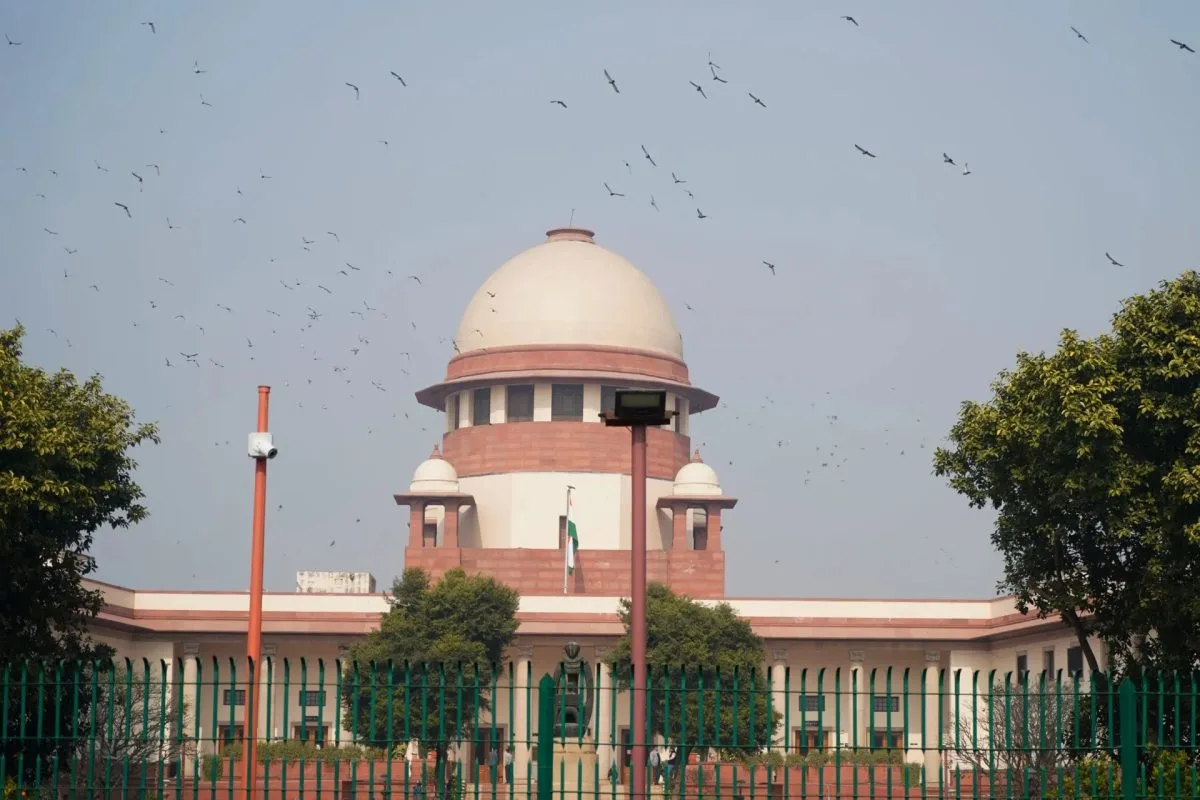
PIL filed on October 14, 2026, by APCR against Maharashtra's conversion law.
The law mandates a 60-day notice for religious conversions to the Competent Authority.
Critics argue the law infringes on fundamental rights and individual autonomy.
The Association for Protection of Civil Rights (APCR) has initiated a public interest litigation (PIL) against the Maharashtra Freedom of Religion Act, 2026, in the Supreme Court. Filed on October 14, 2026, by Shakir Sheikh, the secretary of APCR Maharashtra, the petition raises significant constitutional issues regarding the law's implications on individual rights and freedoms.
Enacted following presidential assent and published in the Maharashtra Government Gazette on July 30, 2026, the Maharashtra Freedom of Religion Act regulates the process of religious conversion. It stipulates that individuals wishing to convert must notify the Competent Authority at least sixty days prior to the conversion ceremony. The law aims to prevent conversions that occur through coercion, misrepresentation, or other deceptive practices.
In its petition, APCR contends that the law poses serious constitutional challenges, particularly concerning the freedom of conscience, the right to practice religion, personal liberty, and equality before the law. The organization argues that the law's provisions unduly interfere with individual autonomy and impose unjust restrictions on voluntary conversions, necessitating judicial review due to their potential violation of fundamental rights.
The legislation has faced backlash from civil rights activists and various rights groups, who assert that it undermines essential freedoms. Another petition in the Bombay High Court has sought to declare certain sections of the law unconstitutional, citing violations of religious freedom and privacy rights. This growing dissent highlights the contentious nature of the law and its perceived impact on a wide demographic.
Through this PIL, APCR seeks judicial relief, including a stay on the contested provisions and a thorough examination of the law against constitutional guarantees. The Supreme Court is expected to address these significant concerns, with the State of Maharashtra listed as the respondent in the case.