Farmer Protests Maharashtra Aid with Rs 5,000 Money Order
A farmer from Dharashiv sends a money order to CM Fadnavis, expressing discontent over inadequate drought relief.

Maharashtra government announced Rs 5,000 interim aid for drought-hit farmers.
305 out of 358 talukas in Maharashtra are now drought-affected.
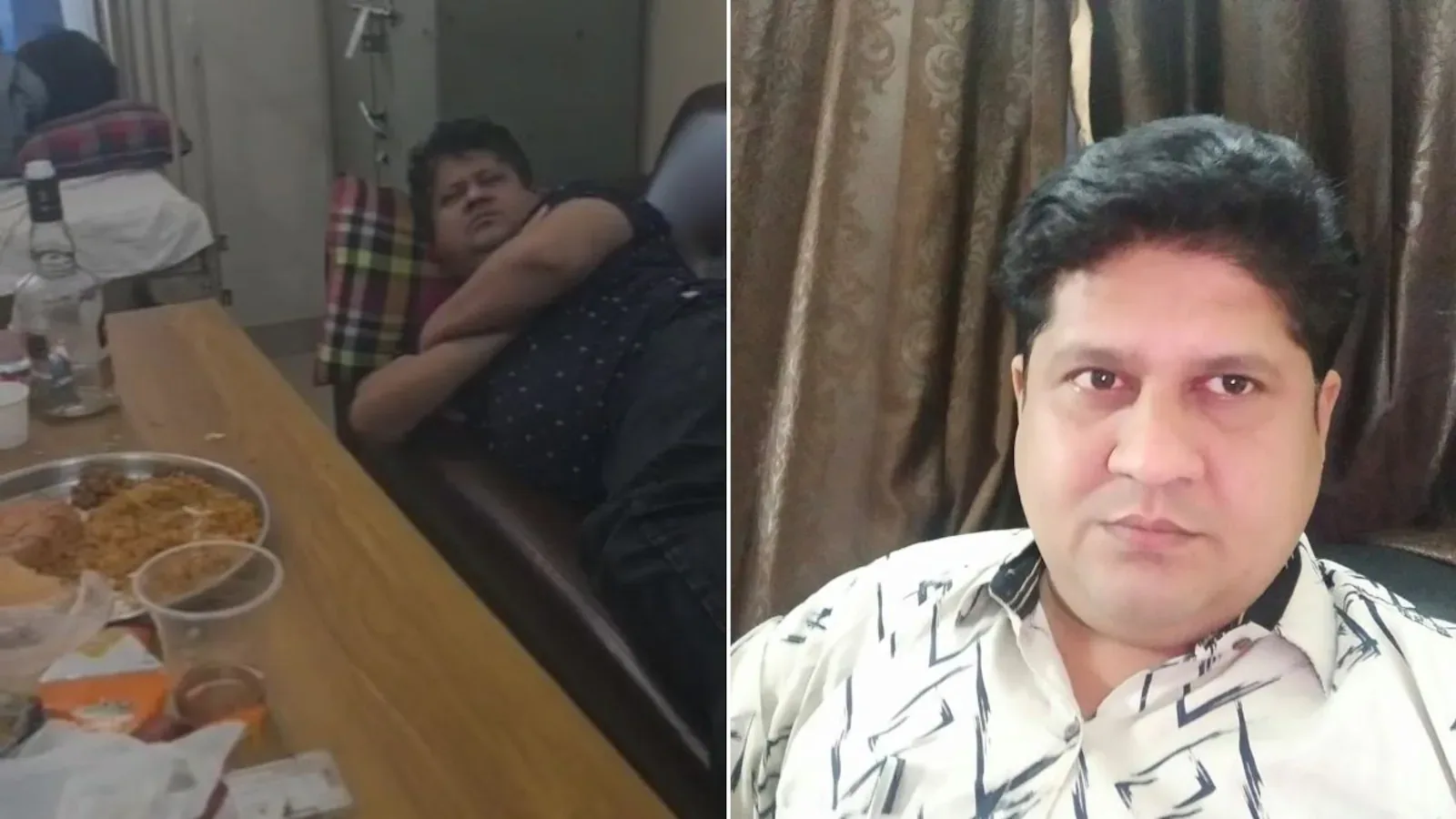
Farmer Chand Shaikh sent Rs 5,000 to CM as a protest, citing low earnings from his crop.
In a notable act of protest, a farmer from Dharashiv district has sent a money order of Rs 5,000 to Maharashtra Chief Minister Devendra Fadnavis, expressing dissatisfaction with the government's interim financial assistance for drought-affected farmers. This decision comes after the state government declared that over 85 percent of its talukas are suffering from drought conditions, prompting the announcement of this aid ahead of the Diwali festival.
On Wednesday, CM Fadnavis revealed that the state would deposit Rs 5,000 directly into farmers' bank accounts as a temporary relief measure. This initiative aims to provide immediate support to farmers before the festival, although the complete assessment of the drought situation will take longer to finalize. The government has recently added 40 more talukas to the drought-hit list, raising the total to 305.
Chand Shaikh, a farmer from Surdi village in Dharashiv tehsil, articulated his frustration by sending the money order. He reported that his soybean crop yielded only Rs 3,900, which was significantly less than his investment of Rs 25,000. To fund the money order, he borrowed Rs 1,100 from a friend, highlighting the financial strain faced by farmers in the region. "I cultivated a soybean crop on 1.5 acres of my farm. I spent Rs 25,000 and received a 60-kg yield. I could earn just Rs 3,900," Shaikh explained.
The situation reflects a broader concern among farmers in Maharashtra, who are grappling with severe drought conditions that have adversely affected their livelihoods. The government's response, while aimed at providing immediate relief, has been criticized as insufficient by those directly impacted. The plight of farmers like Shaikh underscores the urgent need for more comprehensive support measures.
Looking ahead, the Maharashtra government is expected to continue monitoring the drought situation and may need to implement more robust relief strategies. As the festival season approaches, the effectiveness of the current aid program will be scrutinized, and farmers are likely to demand further assistance to cope with ongoing challenges.