West Nile Virus Cases Surge to 1,328, Raising Neurological Concerns
A significant rise in West Nile virus infections across 45 states has led to severe neurological complications in over 1,000 patients.
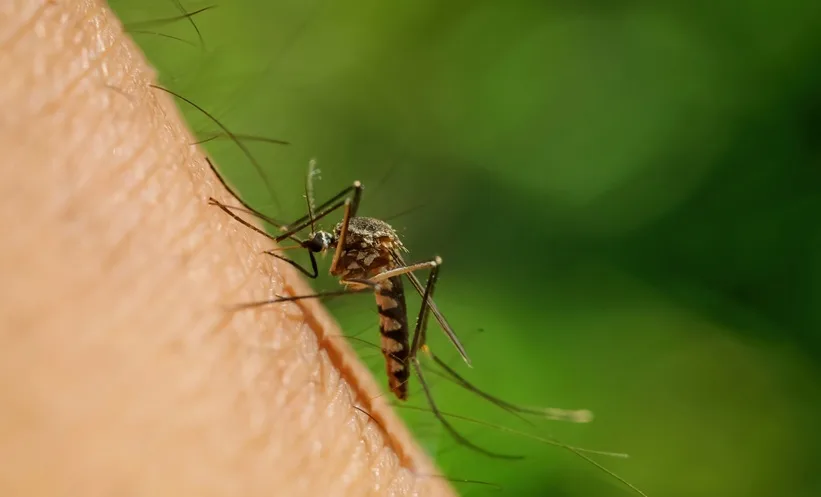
1,328 confirmed West Nile virus cases reported nationwide.
Over 75% of cases show severe neuroinvasive symptoms.
California and Arizona are the most affected states.
The United States is witnessing a concerning surge in West Nile virus infections, with a total of 1,328 cases confirmed across 45 states. Of these, 1,004 patients have been diagnosed with severe neuroinvasive presentations, highlighting an urgent public health challenge. The latest data from the ArboNET network indicates a sharp increase in seasonal disease activity, emphasizing the need for heightened awareness among healthcare providers.
Historically, West Nile virus has posed significant health risks, particularly in regions with warm climates that favor mosquito breeding. The current outbreak has seen California leading with 310 reported cases, followed closely by Arizona with 95 infections. In densely populated areas like Los Angeles County and Maricopa County, the majority of clinical presentations are severe neuroinvasive diseases, including life-threatening conditions such as encephalitis and acute flaccid paralysis.
Clinical reports reveal that more than 75% of diagnosed patients exhibit neuroinvasive manifestations, which complicates the diagnostic process for healthcare teams. The aggressive nature of the virus necessitates a high index of suspicion among clinicians, especially when patients present with acute fever and unexplained neurological symptoms. However, many milder cases remain underreported due to public health tracking systems focusing primarily on hospitalized patients.
The implications of this outbreak extend beyond immediate health concerns, as the virus's neurovirulence poses significant risks to vulnerable populations. Asymptomatic blood donors have also been identified, indicating ongoing community transmission that could lead to severe neurological outcomes. Healthcare providers are urged to maintain vigilance, conduct early serologic testing, and educate high-risk groups about mosquito protection measures.
Looking ahead, public health officials are expected to enhance surveillance efforts and improve diagnostic capabilities to better track the spread of the virus. Continuous monitoring and community education will be crucial in mitigating the impact of this outbreak and preventing further neurological complications among affected populations.