India Faces Urgent Ageing Crisis, Says Himachal Doctor
Healthcare systems must adapt to the rapidly growing elderly population in India, warns a leading physician.
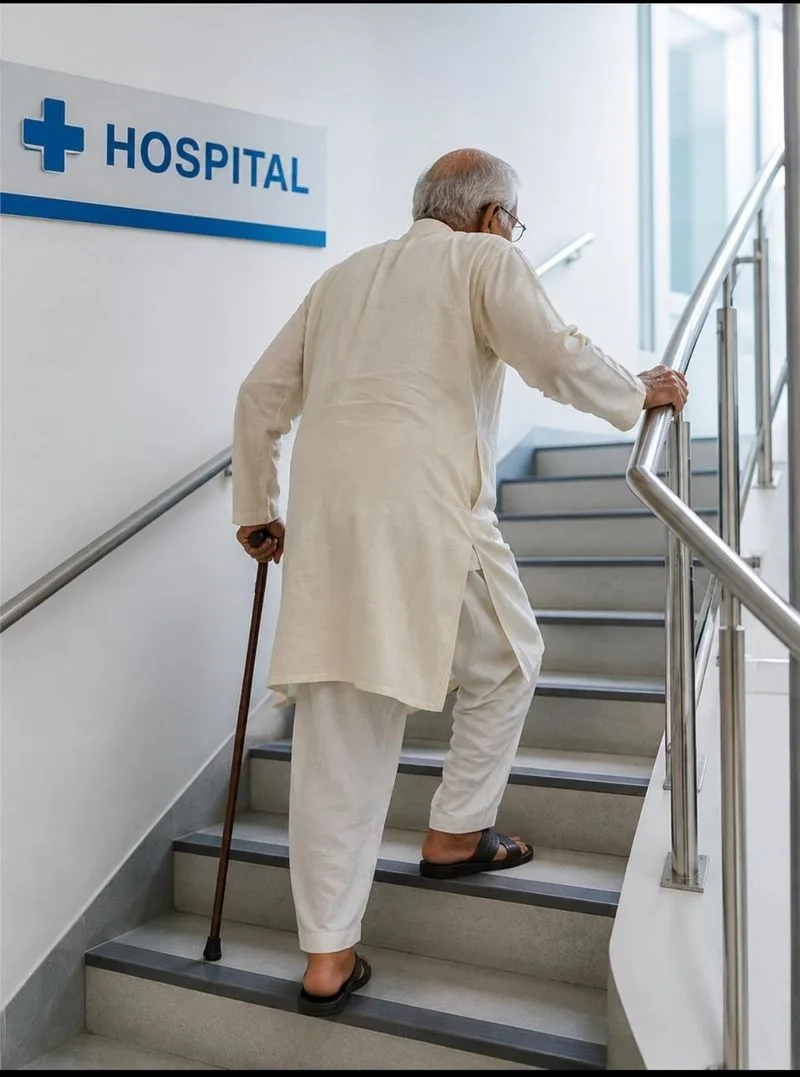
India's elderly population is projected to reach 347 million by 2050.
Healthcare services are fragmented, focusing on diseases rather than holistic care.
Cultural perceptions of ageing need to shift towards dignity and respect.
A prominent doctor from Himachal Pradesh has issued a stark warning regarding India's ageing crisis, emphasizing the urgent need for systemic changes in healthcare to accommodate the rapidly growing elderly population. The India Ageing Report 2023, released by the United Nations Population Fund, predicts that by 2050, individuals aged 60 and above will constitute approximately 20.8% of the population, a significant increase from 10.5% in 2022. This demographic shift, which translates to around 347 million people, necessitates immediate action to ensure that older citizens receive adequate care and support.
The report highlights that the healthcare system in India is currently ill-equipped to handle the complexities associated with ageing. Unlike younger patients who may experience acute illnesses, older individuals often contend with multiple chronic conditions simultaneously, including hypertension, diabetes, and cardiovascular diseases. Data from the Longitudinal Ageing Study in India reveals that a substantial percentage of older adults suffer from these ailments, yet the healthcare infrastructure remains focused on treating isolated diseases rather than addressing the overall health of the individual. This fragmentation leads to a lack of coordinated care, which is essential for the well-being of elderly patients.
In rural areas, the situation is exacerbated by a significant gap in diagnostic services. Many older adults face barriers to accessing healthcare, resulting in undiagnosed chronic conditions that can lead to severe complications. Community Health Centres are severely understaffed, with a shortfall of specialists that further limits the ability to provide timely and effective care. The doctor emphasizes that it is crucial to decentralize diagnostic services and enhance primary care capabilities to ensure that older individuals receive necessary screenings and interventions before their health deteriorates.
Urban healthcare, while having more specialists, suffers from its own set of challenges, including a lack of cohesive care coordination. Older patients often find themselves navigating a maze of specialists, leading to polypharmacy and conflicting treatments without a central figure to oversee their comprehensive health needs. This situation underscores the need for a care coordinator who can manage the complexities of geriatric care, ensuring that older patients receive holistic treatment that prioritizes their overall health and quality of life.
Looking ahead, the doctor advocates for a cultural shift in how society views ageing. The traditional family support system is under strain due to urbanization and migration, leaving many older adults isolated. To address this, India must foster a geriatric society that respects the dignity of older individuals and provides the necessary resources for their care. The implementation of policies that prioritize early disease detection, integrated healthcare, and financial protection for older adults will be crucial in navigating the impending ageing crisis. As India prepares for this demographic transition, it is imperative to create an age-friendly environment that values the contributions and rights of its elderly population.