Surge in Cancer Rates Among Young Adults in England
A significant study reveals rising cancer rates in adults under 50, prompting concerns over unexplained factors contributing to this trend.
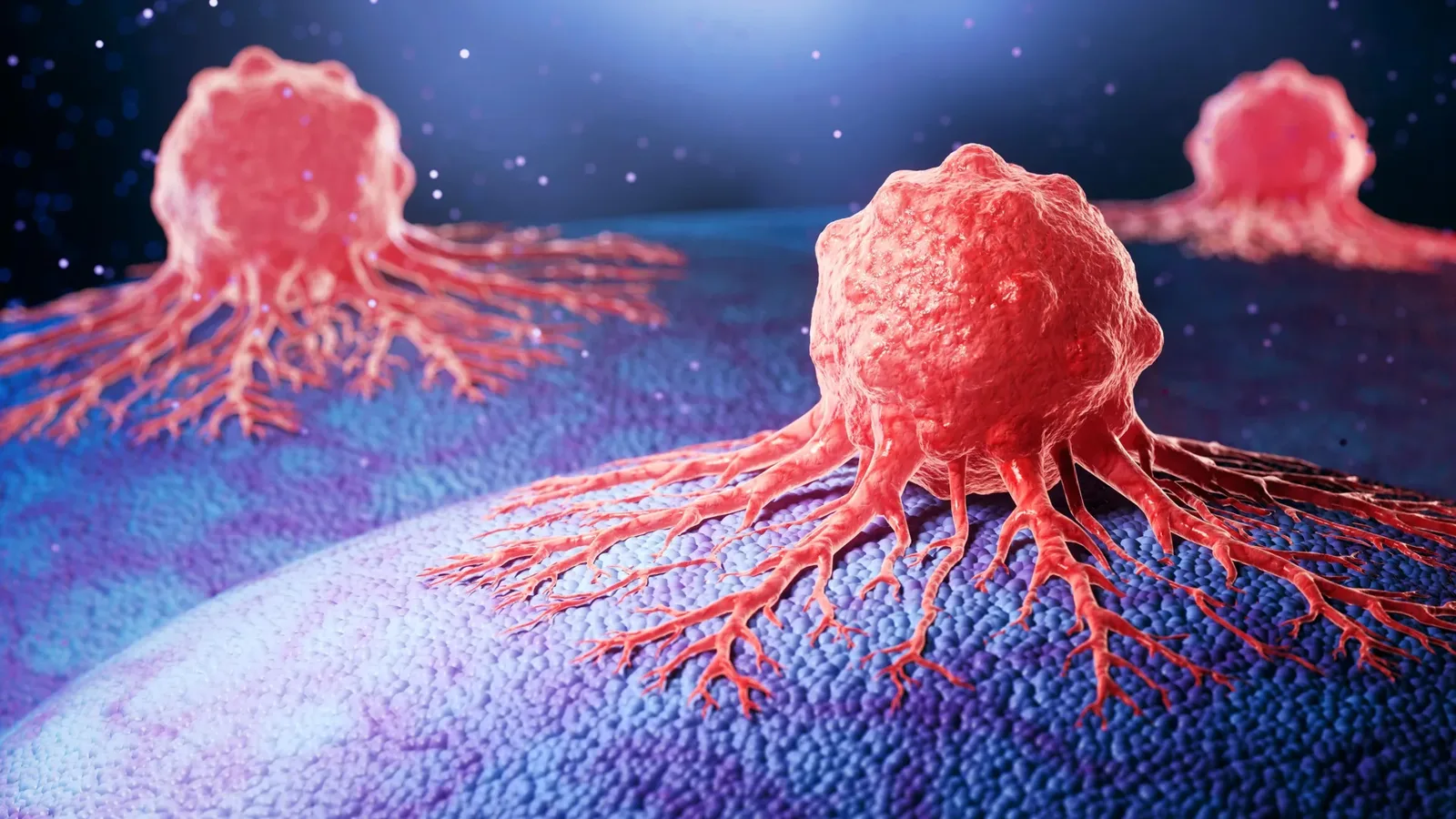
Cancer rates among younger adults in England are increasing despite improvements in lifestyle factors.
Obesity is a significant factor, but it does not fully explain the rise in cancer cases.
Research suggests potential influences like gut microbiome changes and early-life exposures may contribute to the trend.
A recent study published in BMJ Oncology highlights a troubling increase in cancer rates among younger adults in England, specifically those under 50 years old. The research indicates that while traditional risk factors such as smoking and diet have improved, the incidence of certain cancers, including bowel and ovarian cancer, has risen significantly in this demographic. This trend raises alarms as similar patterns have been observed in other countries, indicating a broader issue affecting younger populations.
The study analyzed data from England's National Disease Registry Service, covering cancer incidence from 2001 to 2019. Researchers focused on over 20 types of cancer, comparing trends between younger adults aged 20 to 49 and older adults aged 50 and above. Findings revealed that 16 out of 22 cancer types examined in younger women and 11 out of 21 in younger men showed statistically significant increases. Notably, cancers linked to known behavioral risk factors, such as thyroid and liver cancers, have become more prevalent among those under 50.
Despite the role of obesity in cancer development, researchers found that excess weight could not solely account for the rising incidence. Established risk factors like smoking and alcohol consumption have shown improvements over the years, yet cancer rates continue to climb. For instance, red meat consumption has decreased significantly among younger adults, contradicting the expected correlation between dietary habits and cancer rates.
These findings underscore the complexity of cancer epidemiology, suggesting that other factors may be at play. The researchers propose that changes in the gut microbiome, early-life exposures, and variations in cancer detection practices could contribute to the observed trends. They emphasize the need for further investigation into these potential influences, as the study was observational and could not definitively establish causation.
Looking ahead, the research calls for a comprehensive approach to understanding cancer risk across all ages, particularly the importance of examining factors that may affect individuals from childhood through adulthood. As the burden of cancer remains significantly higher in older adults, the study highlights the urgent need for public health initiatives aimed at addressing cancer risk throughout the lifespan.