U.S. Army Successfully Detonates 68 Drums of Explosives in Iowa
The Army's controlled detonation of unstable lead azide follows extensive public concern and evacuations in Middletown, Iowa.
68 drums of unstable lead azide were detonated at an Iowa munitions plant.
Evacuations were ordered for residents within a five-mile radius due to contamination fears.
Soil testing and chemical stabilization of contaminated earth will follow the detonation.
On Wednesday, the U.S. Army executed a controlled detonation of 68 drums containing unstable lead azide at the Iowa Army Ammunition Plant in Middletown. This operation came after a significant public outcry, which included evacuations and legal discussions regarding the potential hazards posed by toxic lead dust in the area.
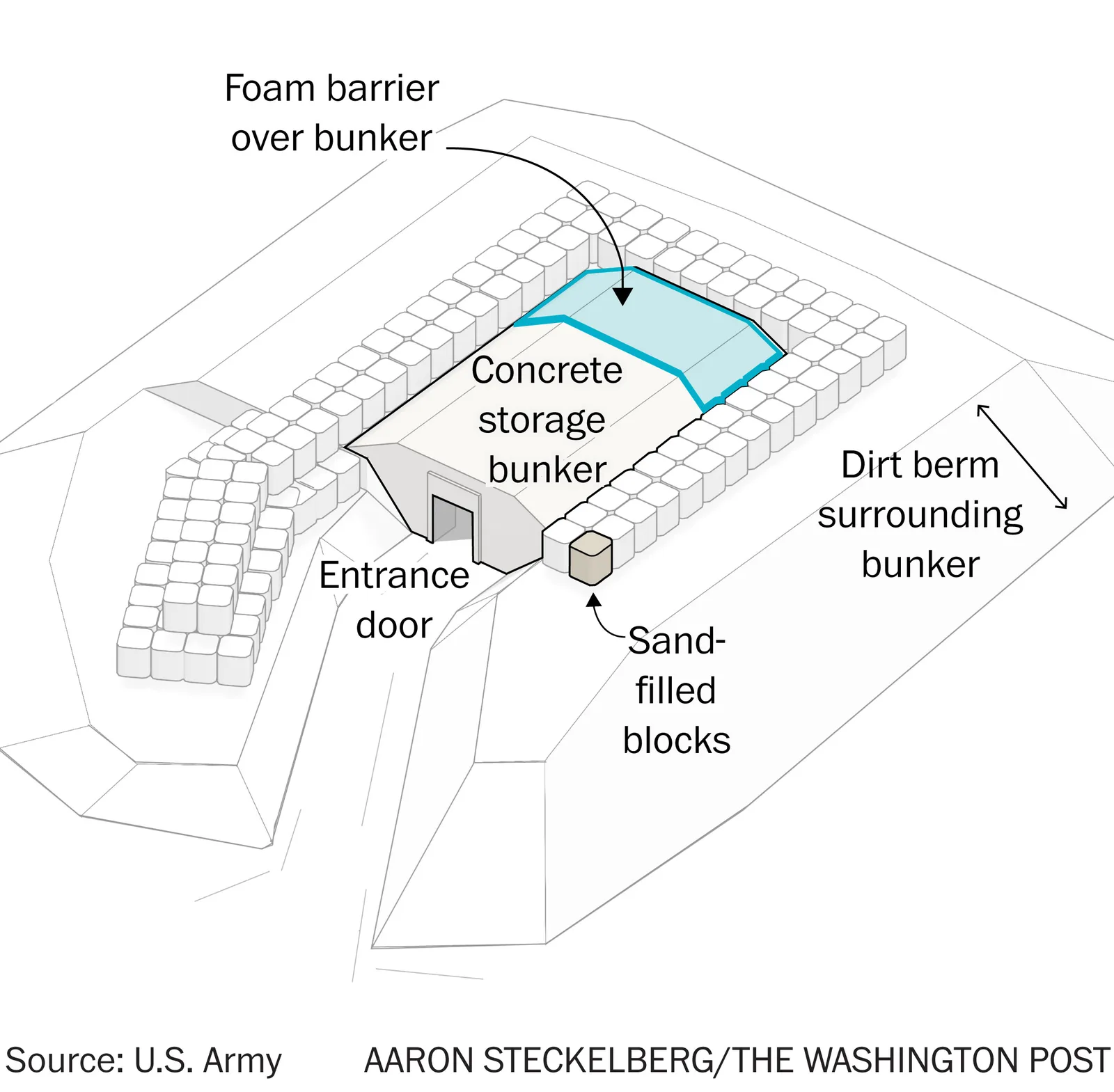
The detonation followed a series of measures aimed at ensuring safety during the operation. Earth-covered bunkers were fortified with two-story high buffers, while approximately 19,000 cubic yards of lime-fill and 300 sand-filled HESCO units were strategically placed to mitigate the blast's impact. Water cannons and foam were also deployed to suppress dust and contain the explosion's effects.
Initially announced on November 15, the Army's decision to detonate the lead azide was made after ruling out alternative disposal methods, including chemical neutralization by a remediation company. As part of the operation, the Army provided maps indicating where lead contamination was expected to spread, advising residents in Middletown and the surrounding areas to evacuate for safety.
In the aftermath of the detonation, the Army plans to excavate and test the soil for lead contamination. Any contaminated soil will undergo chemical stabilization before being transported to a licensed disposal facility. A comprehensive report detailing the findings and actions taken will be submitted to the Environmental Protection Agency (EPA) within 60 days of the operation's completion.
As the Army moves forward with these measures, local residents remain concerned about the long-term environmental impact. The successful detonation marks a critical step in addressing the hazardous materials at the site, but ongoing monitoring and remediation efforts will be essential to ensure public safety and environmental protection in the region.