India's Shift from Lifespan to Healthspan: A Call for Change
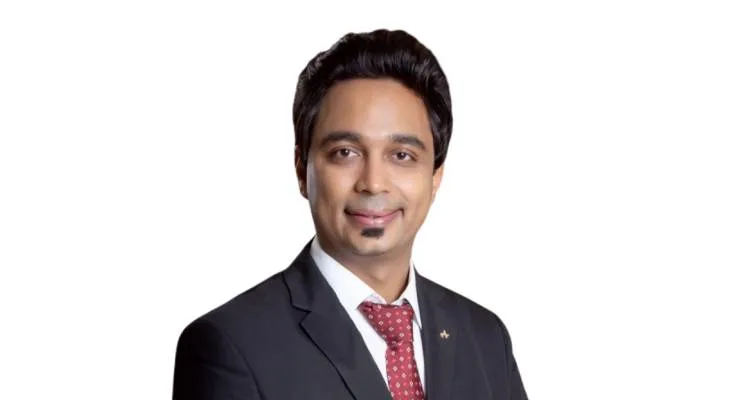
Dr. Arpit Jayswal emphasizes the importance of focusing on healthspan over lifespan in India's preventive health strategy.
India's life expectancy has increased to 72.5 years, but healthy life expectancy is only 58 years.
Routine blood tests can reveal underlying health issues, with many Indians unaware of conditions like diabetes.
Adopting preventive health measures and understanding biological age can significantly improve health outcomes.
In a recent discussion, Dr. Arpit Jayswal, the founder of Curelo, highlighted the urgent need for India to shift its preventive health conversation from merely extending lifespan to enhancing healthspan. This shift is crucial as the country witnesses improvements in life expectancy, which now stands at approximately 72.5 years, while the healthy life expectancy lags at around 58 years. This discrepancy indicates that many Indians are living a significant portion of their lives with illness or disability.
The concept of biological age, which reflects the actual functioning of an individual's cells and organs, plays a pivotal role in understanding health risks. Unlike chronological age, biological age can vary significantly among individuals of the same age. For instance, two 45-year-olds may exhibit a biological age difference of up to ten years, influenced by factors such as diet, stress, and physical activity. Dr. Jayswal pointed out that many common health conditions, including diabetes, often go unnoticed until they cause severe symptoms, underscoring the importance of regular health assessments.
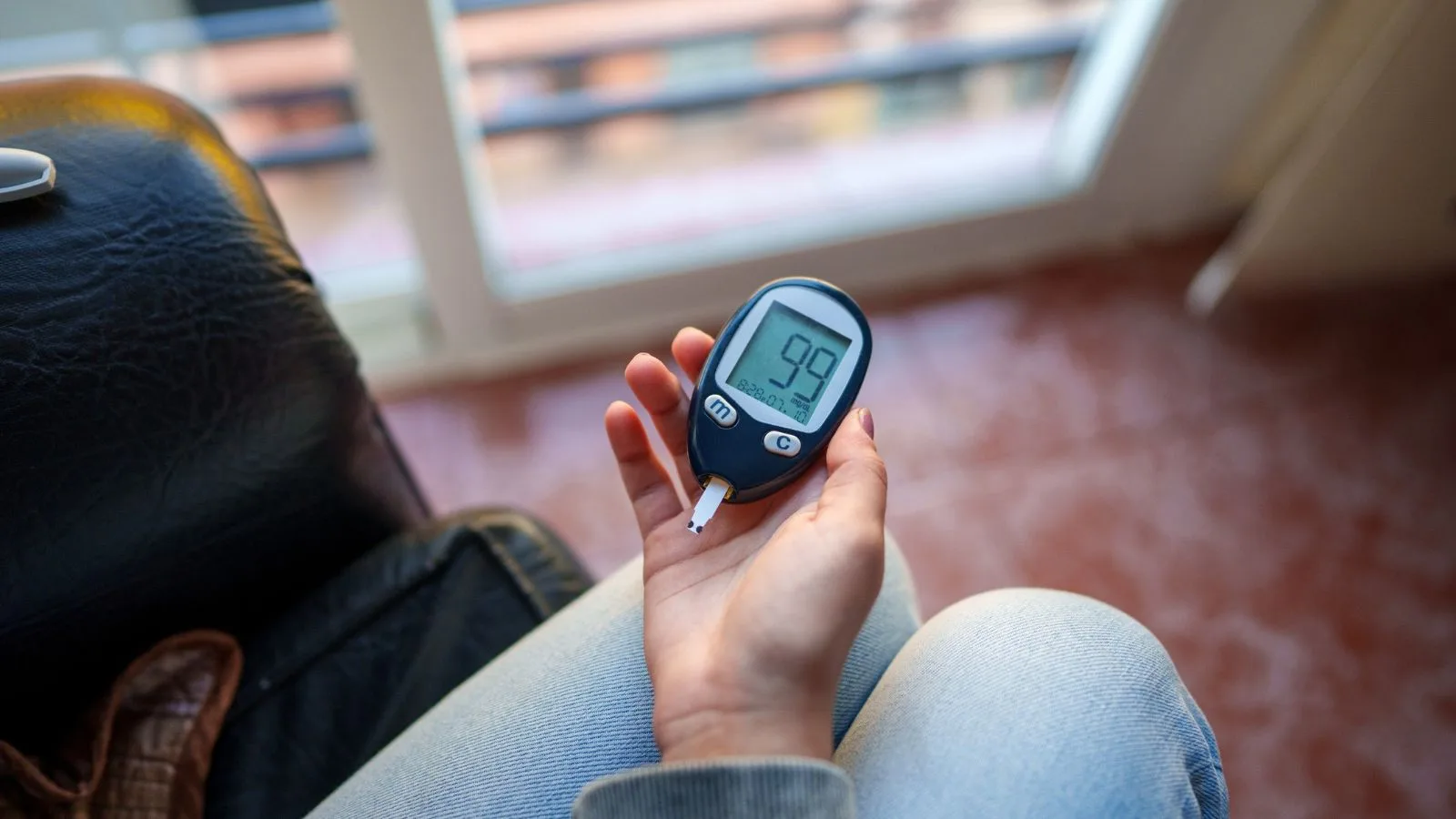
According to the International Diabetes Federation, around 90 million adults in India were living with diabetes in 2024, with a staggering 43% unaware of their condition. Furthermore, the ICMR-INDIAB study identified an additional 136 million individuals with prediabetes. These alarming statistics highlight the necessity for early detection through routine blood tests, which can provide critical insights into an individual's health status and potential risks.
The implications of this shift in focus are profound. By prioritizing preventive health measures, India could significantly reduce the burden of chronic diseases and improve the overall quality of life for its citizens. Dr. Jayswal advocates for making preventive testing an annual practice rather than a response to symptoms. This proactive approach could help identify health risks well before they escalate into serious conditions.
Looking ahead, the path to healthier aging in India involves three key changes: establishing routine preventive testing, tracking health trends over time, and enhancing the diagnostics industry’s role in patient education. By fostering a culture of health awareness and proactive management, India can empower its population to take charge of their health, ultimately leading to a longer and healthier life for all.