Global Measles Cases Surge to 411,913 in 2025 Amid Genetic Challenges
A comprehensive review highlights the resurgence of measles cases worldwide, emphasizing gaps in surveillance and genetic diversity.
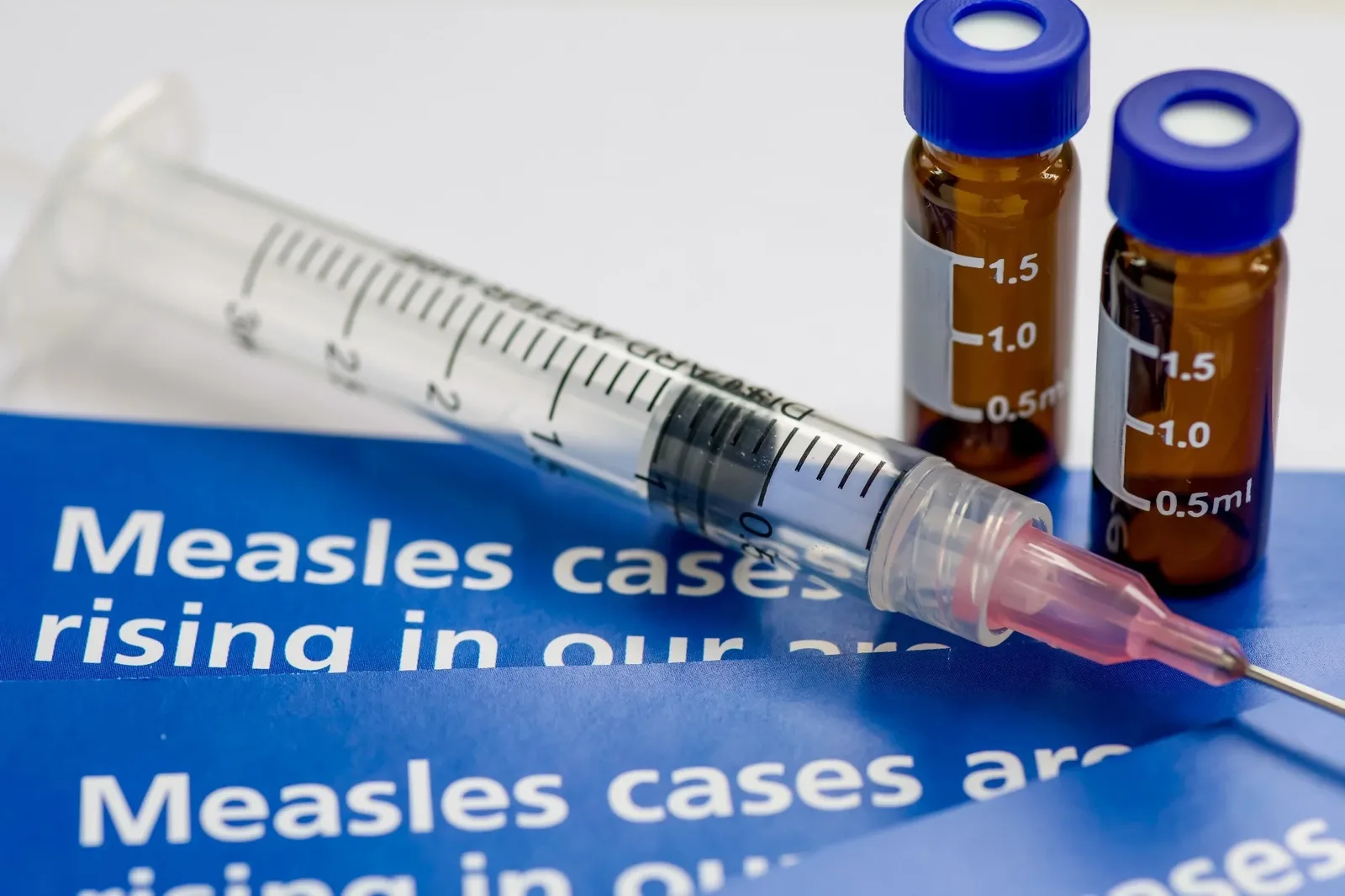
Measles cases reached 411,913 globally in 2025, marking a return to pre-pandemic levels.
Only two measles genotypes have been reported since 2021, indicating a decline in genetic diversity.
Rubella surveillance remains limited, with significant data gaps affecting global health strategies.
In 2025, the global incidence of measles surged to 411,913 cases, reflecting a troubling rebound to levels seen before the pandemic. This resurgence has raised alarms among health officials, as it is estimated that reported cases represent only about 5% of the actual number of infections worldwide. The increase is largely attributed to missed vaccinations during the pandemic, which has created significant immunity gaps among populations.
A recent review published in the journal 'Vaccines' analyzed data from 2000 to 2025, focusing on the molecular epidemiology of measles and rubella viruses. Conducted by an international team from various health organizations, including the UK Health Security Agency and the World Health Organization, the study highlighted that only two of the 24 recognized measles genotypes have been reported since 2021. This decline in genetic diversity complicates efforts to track and control outbreaks effectively.
The review underscores the challenges faced by the WHO's Global Measles and Rubella Laboratory Network (GMRLN), which relies on member states to provide timely case reports and viral sequences. The data collected is crucial for monitoring the genetic diversity of the viruses and identifying gaps in vaccination coverage. However, the pandemic has disrupted surveillance efforts, making it difficult to ascertain the true extent of measles and rubella transmission.
The implications of this resurgence are significant for public health in regions like Europe, which recorded over 150,000 measles cases in 2024, the highest since 1997. Although there was a 75% decline in cases in 2025, the overall trend indicates a worrying pattern of increased incidence in previously eliminated regions. The Americas and African regions also experienced fluctuations in case numbers, highlighting the need for improved surveillance and vaccination strategies.
Looking ahead, health authorities emphasize the necessity for enhanced genomic surveillance and increased vaccination coverage to combat the resurgence of measles and rubella. Investment in laboratory capacities and standardized sequencing protocols is essential for accurately tracking transmission patterns. As the global health community works to eliminate these diseases, maintaining high vaccination rates and improving surveillance will be critical to preventing future outbreaks.