Study Reveals 50% of Long-COVID Patients Face Breathing Issues After Four Years
A recent study indicates that half of the individuals suffering from long COVID continue to experience breathing difficulties more than four years post-infection.
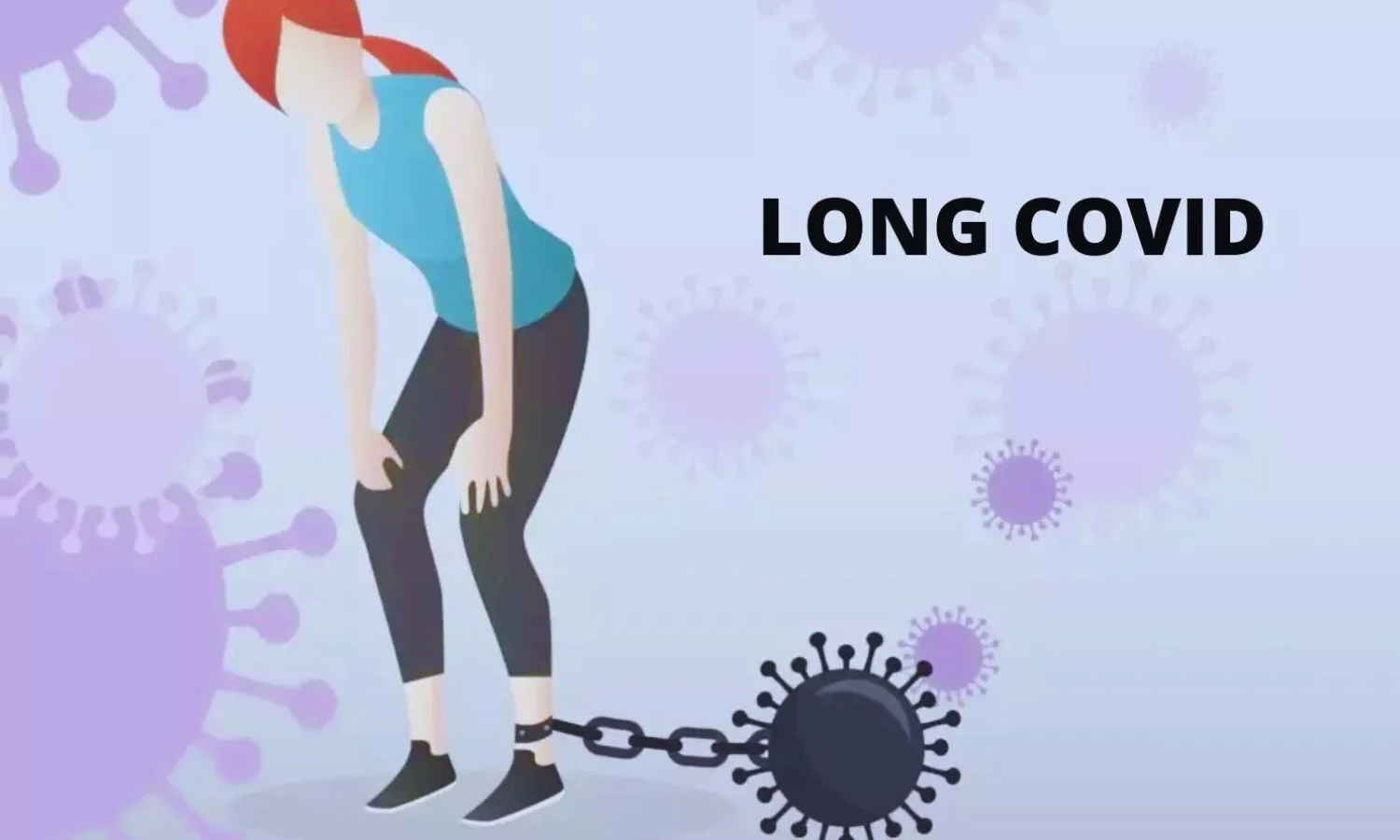
50% of long COVID patients report ongoing breathing difficulties.
Younger individuals and women are more affected, often without prior hospitalization.
Persistent symptoms correlate with lower physical performance and poorer health outcomes.
A recent study published in the journal Respiratory Research highlights that around 50% of adults diagnosed with long COVID are still experiencing symptoms indicative of dysfunctional breathing more than four years after their initial SARS-CoV-2 infection. The findings suggest that these persistent respiratory issues are notably prevalent among younger patients and women, raising concerns about the long-term effects of COVID-19 even in those who had mild cases during the acute phase.
The research indicates that individuals who reported ongoing breathing difficulties were generally younger and less likely to have been hospitalized during their initial COVID-19 infection. This observation challenges the assumption that severe initial symptoms are a prerequisite for long-term complications, suggesting that even those who experienced mild cases can suffer from lasting respiratory problems.
Key predictors for the likelihood of persistent breathing symptoms included younger age, non-hospitalization during the acute phase, and the severity of breathlessness experienced. Additionally, patients with higher breathlessness severity and a greater overall burden of long COVID symptoms, including depressive symptoms and postural orthostatic tachycardia syndrome (POTS), were more likely to report dysfunctional breathing at follow-up assessments.
The study also evaluated physical performance, revealing that participants with elevated NQ scores performed poorly on various tests, including the six-minute walk test and the one-minute sit-to-stand test. Despite these findings, lung function measurements did not show significant differences between groups, indicating that subjective symptoms may not always correlate with objective lung function metrics.
Looking ahead, these findings underscore the importance of ongoing monitoring and support for long COVID patients, particularly those who are younger and have not required hospitalization. As healthcare providers continue to navigate the long-term impacts of COVID-19, understanding the nuances of these persistent symptoms will be crucial in developing effective treatment and rehabilitation strategies.