SARON Trial Reveals PFS Gains but No OS Benefit in NSCLC
The SARON trial shows that while consolidation radiotherapy improves progression-free survival in oligometastatic non-small cell lung cancer, it does not extend overall survival.
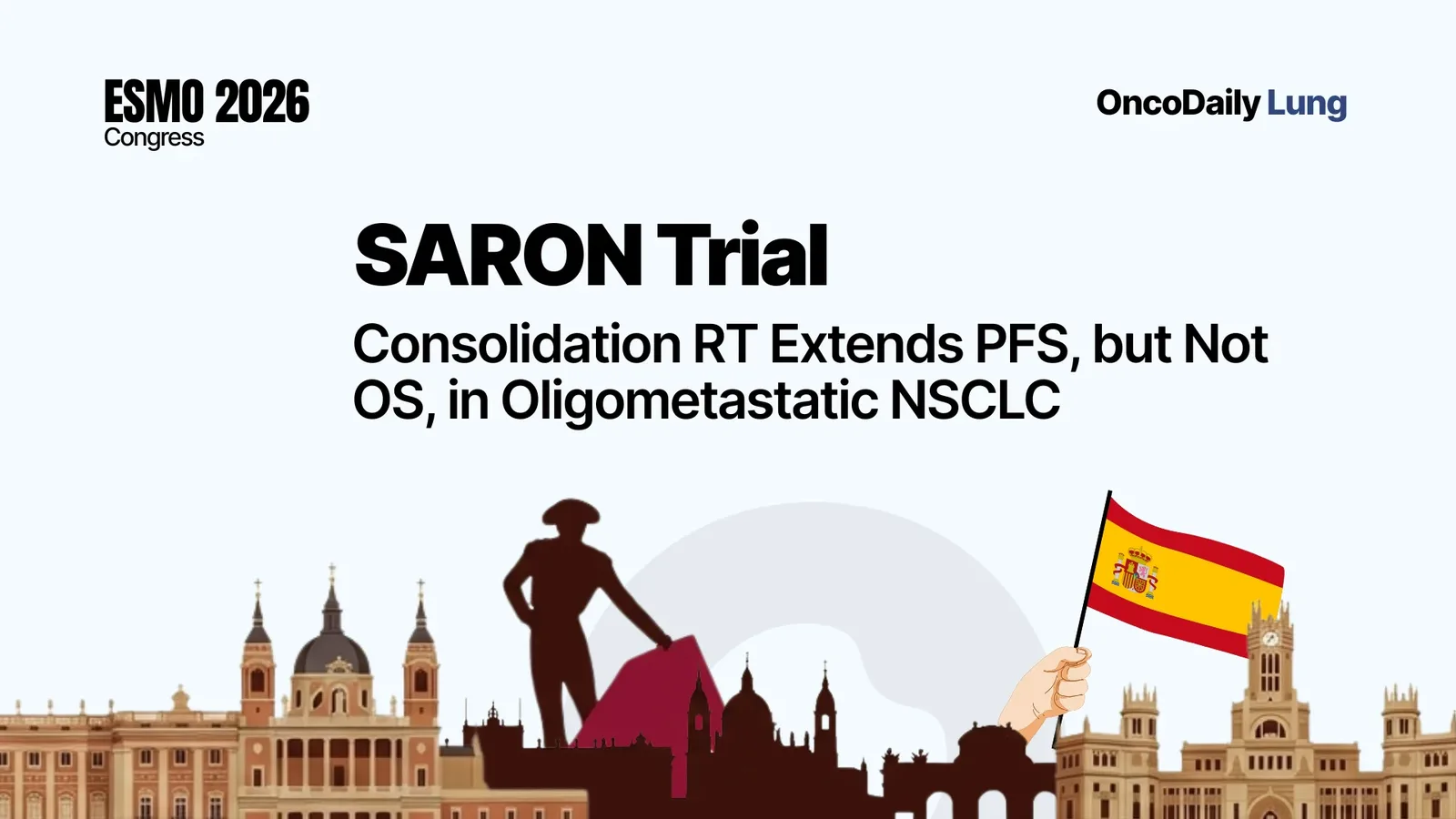
Consolidation radiotherapy increased median progression-free survival from 8.9 to 13.9 months.
Overall survival remained similar at 31.0 months with radiotherapy versus 28.0 months without.
The study highlights the effectiveness of local treatment but questions its impact on long-term survival.
The SARON trial has provided significant insights into the treatment of synchronous oligometastatic non-small cell lung cancer (NSCLC). Conducted across 22 centers in the UK, the study aimed to evaluate the effectiveness of consolidation radiotherapy in combination with systemic therapy. Results indicated that patients receiving this combined treatment experienced a notable increase in progression-free survival (PFS), with a median of 13.9 months compared to 8.9 months for those receiving systemic therapy alone.
The rationale behind the SARON trial stems from the oligometastatic hypothesis, which suggests that patients with limited metastatic disease may benefit from aggressive local treatment. Previous studies have shown promising results, but SARON specifically targeted patients without actionable genomic alterations. The trial enrolled 140 participants, all of whom had one to five synchronous metastases. Following initial systemic therapy, patients were randomized to receive either systemic therapy alone or with the addition of consolidation radiotherapy.
Key findings from the trial revealed that while the addition of radiotherapy significantly reduced progression at known disease sites—from 39.5% in the systemic therapy group to 13.0% in the radiotherapy group—this did not translate into improved overall survival (OS). The median OS was nearly identical between the two groups, at 31.0 months for those receiving radiotherapy and 28.0 months for those without. This lack of OS benefit raises questions about the long-term efficacy of local consolidation treatments in oligometastatic NSCLC.
The implications of these findings are profound for both clinical practice and future research. Although the SARON trial confirms the biological effectiveness of local treatment in controlling visible disease, it also emphasizes that improved local control does not guarantee extended survival. This could influence treatment decisions and patient discussions regarding the potential benefits of aggressive local therapies.
Looking ahead, further studies are necessary to explore the role of consolidation radiotherapy in the context of modern immunotherapy and to identify which patients might derive the most benefit from such treatments. The SARON trial's results will likely prompt a reevaluation of treatment strategies for oligometastatic NSCLC, particularly as new therapies continue to evolve.