World Stroke Day 2026: Key Symptoms and Immediate Actions
On October 29, World Stroke Day emphasizes the importance of recognizing stroke symptoms and acting quickly.

Stroke symptoms can appear suddenly; knowing them can save lives.
Immediate medical attention is crucial; every minute counts.
Preventive measures can significantly reduce the risk of stroke.
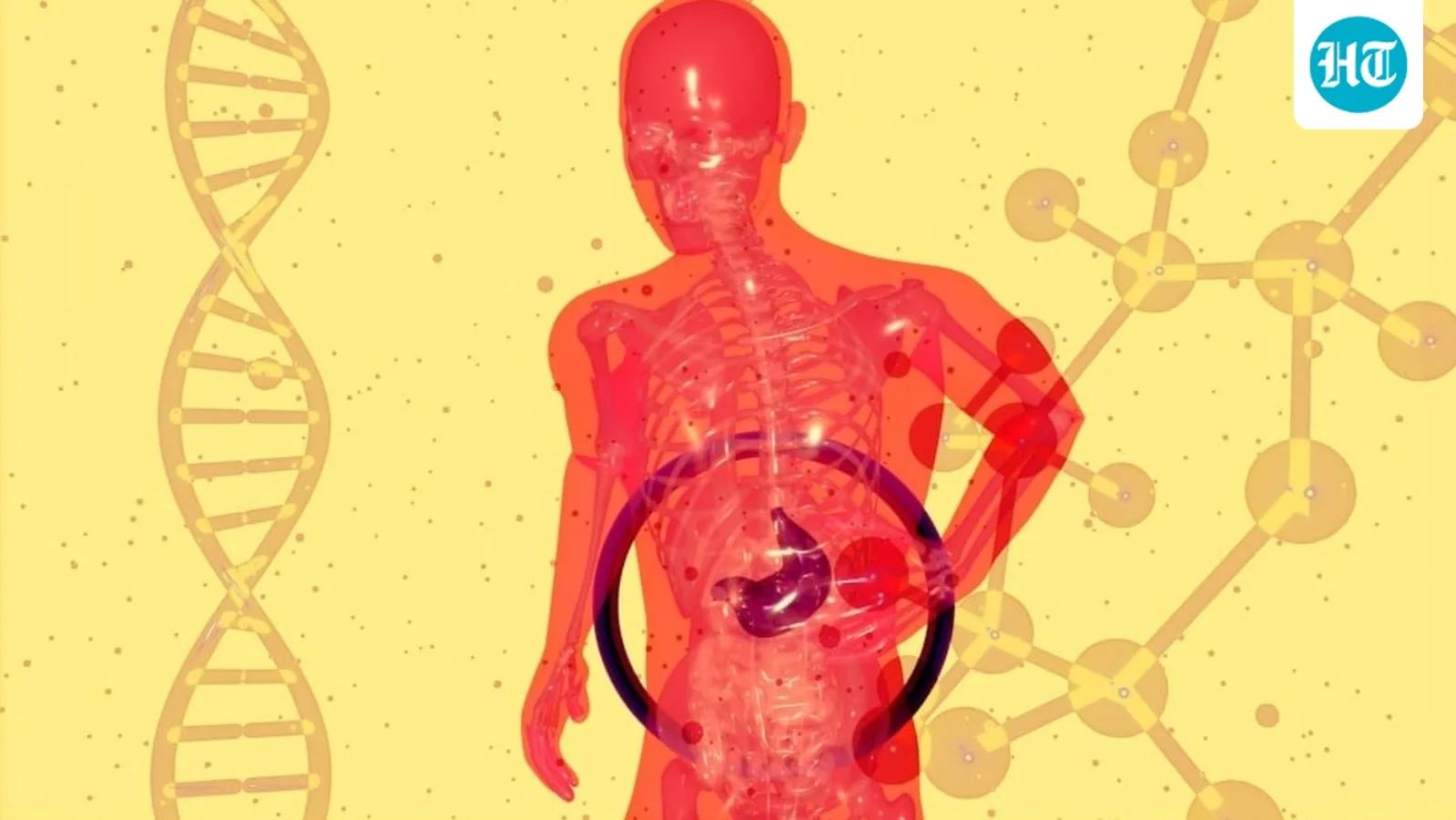
World Stroke Day, celebrated on October 29, serves as a critical reminder of the importance of recognizing stroke symptoms and seeking immediate medical help. A stroke occurs when the blood supply to a part of the brain is interrupted, which can lead to severe consequences, including disability or death. Understanding the signs of a stroke and acting quickly can save brain cells and lives.
Strokes are categorized into two main types: ischaemic and haemorrhagic. Ischaemic strokes, which account for the majority of cases, occur when a blood clot blocks an artery supplying blood to the brain. Haemorrhagic strokes result from bleeding in or around the brain. In both cases, timely intervention is essential. The brain requires a constant supply of oxygen and glucose, and any delay in treatment can lead to irreversible damage.
Recognizing the symptoms of a stroke is vital. The acronym BE-FAST can help individuals remember the warning signs: Balance (loss of coordination), Eyes (sudden vision changes), Face (facial drooping), Arm (weakness), Speech (slurred speech), and Time (call emergency services immediately). If any of these symptoms are observed, it is crucial to act without delay. Additionally, transient ischaemic attacks (TIAs), often referred to as mini-strokes, should not be ignored as they indicate an increased risk of a future stroke.
The impact of strokes extends beyond the individual, affecting families and communities. In India, the burden of stroke is significant, with risk factors such as hypertension, diabetes, and tobacco use contributing to high incidence rates. Public awareness campaigns and education on stroke prevention and recognition are essential to reduce these statistics. Simple lifestyle changes, such as maintaining a healthy diet, regular exercise, and avoiding tobacco, can greatly decrease the risk of stroke.
Looking ahead, it is crucial for individuals to educate themselves and their families about stroke symptoms and the importance of immediate action. Knowing the nearest hospital equipped to handle stroke cases can make a difference in outcomes. As World Stroke Day approaches, let us commit to spreading awareness and ensuring that we act FAST when faced with a potential stroke situation.