Mumbai Hospitals Report 20% Bed Occupancy Due to Mosquito Diseases
Doctors in Mumbai warn of rising malaria and dengue cases linked to construction activities and stagnant water.
Over 20% of hospital beds occupied by malaria and dengue patients.
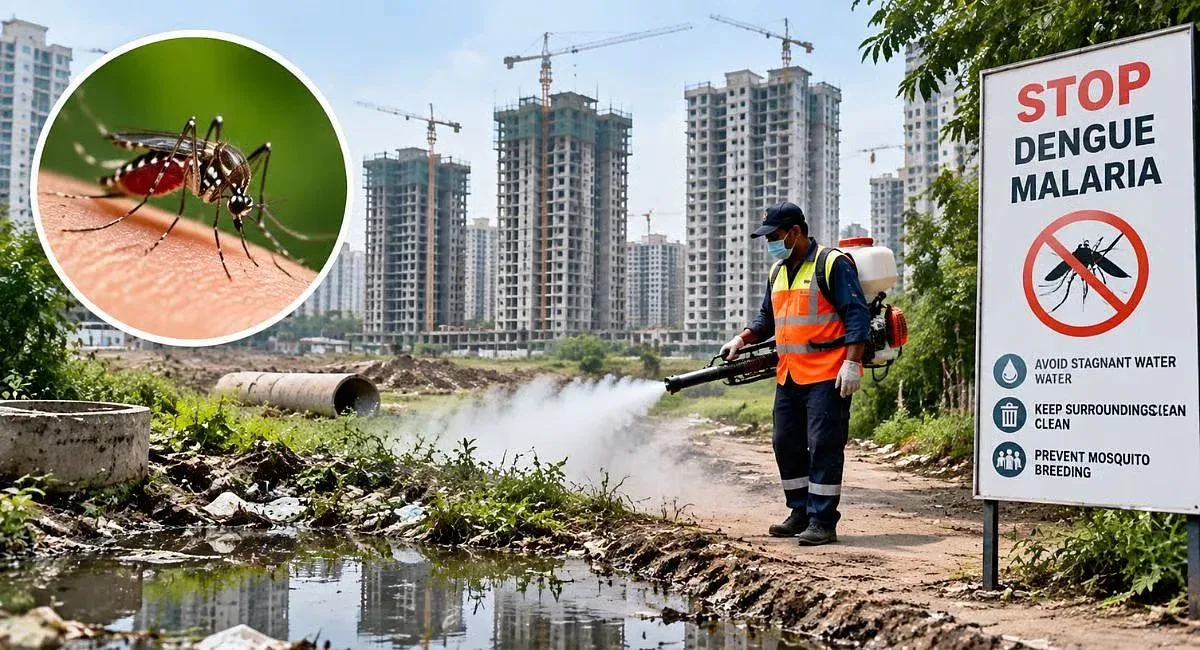
Concerns raised over stagnant water and construction sites as breeding grounds.
BMC reports a decline in vector-borne diseases but emphasizes ongoing preventive measures.
In Mumbai, medical professionals are sounding the alarm over the increasing incidence of malaria and dengue, particularly in light of ongoing construction activities. Dr. Deepak Namjoshi, the founder and chairman of Criticare Group of Hospitals, revealed that more than 20% of the 550 available beds across the group's facilities are currently occupied by patients suffering from these mosquito-borne illnesses.
The alarming rise in cases has been attributed to factors such as stagnant water, inadequate sanitation, and construction work, which create ideal conditions for mosquito breeding. Doctors have raised concerns regarding the effectiveness of current fogging operations, questioning whether these efforts are sufficiently targeting the root causes of mosquito proliferation.
Despite these concerns, the Brihanmumbai Municipal Corporation (BMC) has reported a decrease in cases of vector-borne diseases during the first half of October compared to September. According to Dr. Santosh Gaikwad, the Executive Health Officer, the BMC is actively addressing complaints related to stagnant water and is implementing measures to control mosquito populations. Additionally, the BMC is training construction workers to enhance awareness and preventive practices at work sites.
The situation underscores the critical need for ongoing preventive measures in conjunction with medical treatment. Regular inspections of construction sites, waterlogged areas, and poorly maintained properties are essential to identify and eliminate potential mosquito breeding grounds. Doctors emphasize the importance of public awareness and prompt medical attention for individuals exhibiting symptoms of malaria or dengue.
As civic authorities strive to implement consistent mosquito-control measures across the city, the challenge remains to effectively balance immediate health responses with long-term preventive strategies. The community's cooperation and vigilance will be vital in combating these diseases as the rainy season continues to pose risks for outbreaks.