First Human Case of Shamonda Virus Confirmed in France
A man in his 60s has died from the Shamonda virus, marking the first human infection of this animal-associated pathogen.
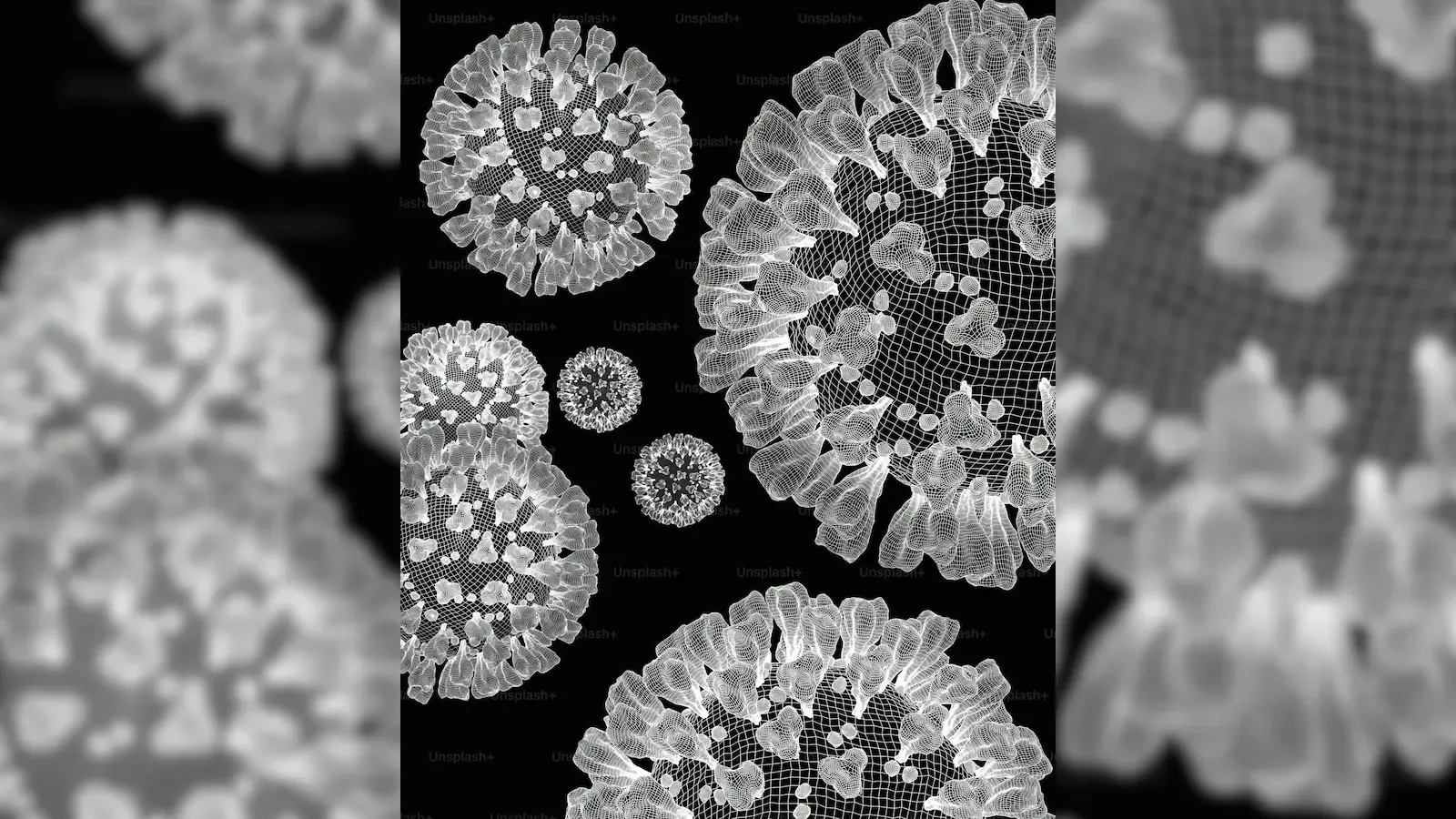
The Shamonda virus was first identified in cattle in Nigeria during the 1960s.
French health authorities are investigating the source of the infection and its public health implications.
Currently, there is no evidence of human-to-human transmission of the virus.
France has confirmed its first human case of the Shamonda virus, an animal-associated pathogen, following the death of a man in his 60s with a compromised immune system. This case was reported by the World Health Organization (WHO) and French health authorities, highlighting the potential risks associated with this previously animal-only virus.
The Shamonda virus, part of the Orthobunyavirus group, was first discovered in cattle in Nigeria in the 1960s. Since then, it has been sporadically reported in livestock across various regions in Africa and Asia. The virus primarily affects animals such as cattle, sheep, goats, and horses, and is transmitted through bites from infected Culicoides midges, small insects that serve as vectors for the disease.
Following the man's death, French authorities have launched an investigation to determine how he contracted the virus and whether it poses a risk to public health. The WHO is collaborating with local health officials to identify the source of exposure and assess the virus's impact on humans, noting that further research is necessary to understand its effects.
While the symptoms of Shamonda virus infection in humans remain largely unknown due to the singular case, animal infections have been associated with fever, diarrhea, and reproductive complications in livestock. The WHO has emphasized that there is currently no evidence of human-to-human transmission, nor is there proof that humans can contract the virus through contact with infected animals.
As investigations continue, the WHO and French health authorities are working to clarify the virus's transmission pathways and potential public health implications. The absence of documented human-to-human transmission is a critical factor, but the unknown effects of the virus on humans necessitate ongoing research to evaluate the risk accurately.