New TB Vaccines Set for 2029: Countries Gear Up for Rollout
Countries like South Africa, Kenya, and The Gambia are preparing for the introduction of new tuberculosis vaccines expected to save millions of lives.
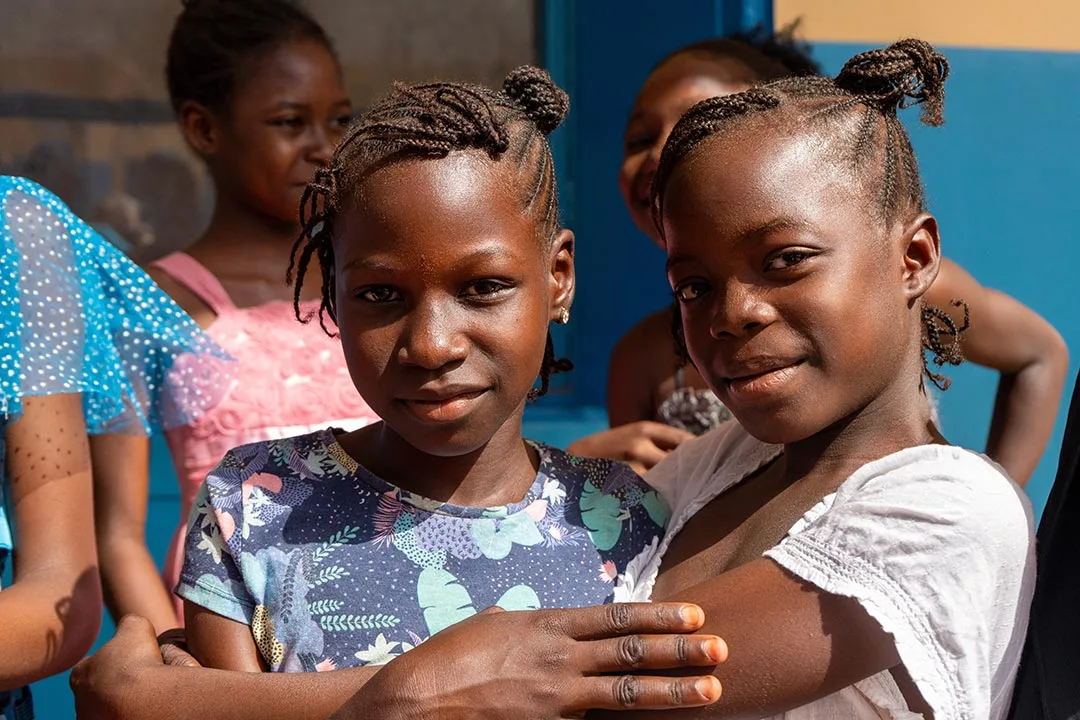
New TB vaccines targeting adolescents and adults are nearing deployment.
The TIMBER project aims to provide evidence for effective vaccine rollout strategies.
Potentially, new vaccines could save 7.3 million lives and generate $135 billion in economic benefits.
A new generation of tuberculosis vaccines is on the verge of being introduced, with the first candidates expected to be available for immunization programs by 2029-2030. Countries such as South Africa, Kenya, and The Gambia are actively preparing for this rollout as part of the Tuberculosis Integrated Model-Based Evidence and Recommendations (TIMBER) project, which aims to gather crucial data to inform national vaccination strategies.
Historically, the BCG vaccine has been the primary defense against severe forms of TB in infants and young children. However, its effectiveness in preventing pulmonary TB in older demographics is limited. With tuberculosis still claiming approximately 1.2 million lives annually, the development of new vaccines that can protect adolescents and adults is critical. Preliminary studies suggest that these vaccines could significantly reduce TB incidence and mortality, with estimates indicating they could save over 7 million lives and provide substantial economic benefits.
The TIMBER project, launched in August 2025 and funded by the Wellcome Trust, is designed to support National Immunisation Technical Advisory Groups (NITAGs) in Africa. Experts like Dr. Benjamin Kagina and Dr. Waasila Jassat are working to identify the evidence needed to formulate effective policy recommendations for the new vaccines. This includes assessing the potential health impacts, resource requirements, and implementation strategies necessary for a successful rollout.
The implications of these new vaccines extend beyond immediate health benefits. They present an opportunity to enhance immunization infrastructure for adults and adolescents, which has traditionally focused on infants and young children. Strengthening these platforms could lead to broader improvements in public health and vaccination coverage across various age groups.
However, challenges remain, including cost considerations, regulatory approval processes, and community acceptance. The TIMBER study aims to address these issues by providing transparent evidence and fostering community engagement. As the world anticipates the arrival of these new TB vaccines, the groundwork being laid now will be crucial for their successful implementation and acceptance in the coming years.