Understanding Fatty Liver: Beyond Alcohol Consumption
Fatty liver disease affects many, including non-drinkers, driven by factors like diabetes and obesity.
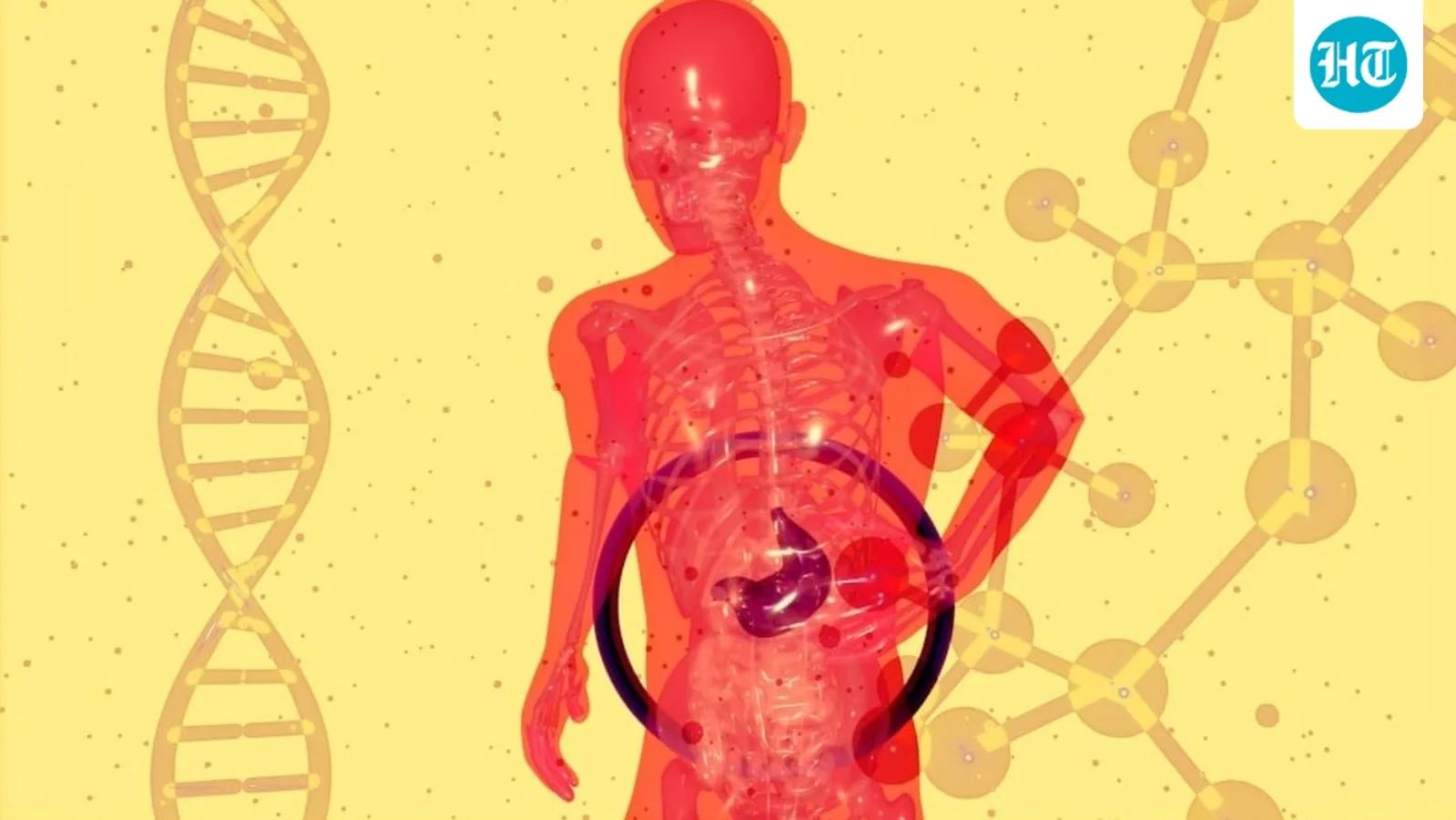
Fatty liver disease can occur in non-drinkers due to metabolic factors.
Early detection is crucial as fatty liver often shows no symptoms initially.
Lifestyle changes can significantly improve liver health and reduce fat accumulation.
Fatty liver disease is often mistakenly associated solely with alcohol consumption. However, it can also develop in individuals who do not consume alcohol, with risk factors including diabetes, obesity, and high cholesterol. According to Dr. Vineet Kumar Gupta, a gastroenterologist, this condition, known as metabolic dysfunction-associated steatotic liver disease (MASLD), affects around 30% of adults globally, as highlighted in a 2023 study published in Hepatology.
The liver plays a crucial role in processing fats and sugars, but when insulin resistance occurs, fat can accumulate in liver cells. This condition is not limited to those who are overweight; even individuals with a normal body weight can be at risk if they have underlying metabolic issues. Dr. Gupta emphasizes the importance of identifying the root causes of fatty liver to tailor effective treatment strategies.
Fatty liver can lead to serious health complications, including inflammation and fibrosis, which may progress to cirrhosis or liver cancer. Cardiovascular diseases are also a significant concern for individuals with MASLD. Dr. Gupta notes that while not everyone with fatty liver will develop severe liver disease, the risk increases with inflammation and scarring, making early assessment vital for monitoring and treatment.
Early detection of fatty liver is challenging as it often presents no symptoms. It is typically diagnosed through imaging or blood tests revealing elevated liver enzymes. Normal enzyme levels do not guarantee liver health, and individuals with diabetes or obesity should consider regular screenings. The FIB-4 score can be used to assess the risk of advanced fibrosis, and further evaluation may be necessary through a FibroScan.
Lifestyle modifications can greatly enhance liver health. Dr. Gupta recommends regular exercise, a balanced diet, and effective management of diabetes and cholesterol levels. Treatment should be personalized based on the extent of liver damage and other health conditions. Individuals with metabolic risk factors should consult their healthcare provider about liver health, as proactive measures can help detect fatty liver early and safeguard long-term liver function.