AI Study of 101,243 Patients Links Brown Fat to Cardiometabolic Health
A groundbreaking study reveals connections between brown adipose tissue and improved heart and mental health outcomes.
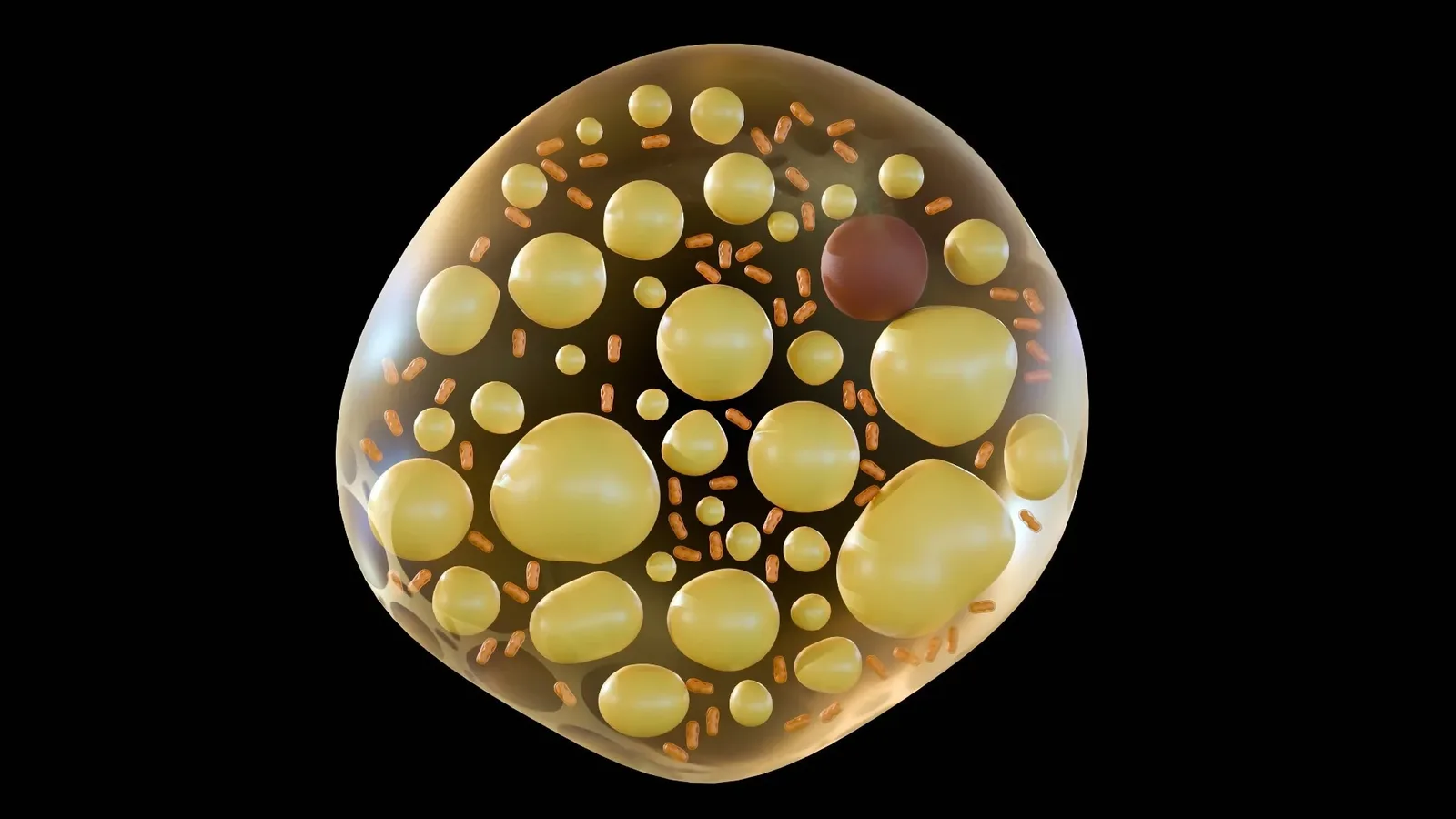
Brown fat presence linked to lower rates of type 2 diabetes and heart disease.
Losartan, a common blood pressure medication, shows potential for enhancing brown fat activity.
The study utilized AI to analyze over 101,000 patient scans for health associations.
In a significant study published in the journal Nature, researchers have uncovered important links between brown adipose tissue (BAT) and various health outcomes by analyzing medical scans from over 101,000 patients. This research utilized advanced artificial intelligence techniques to systematically assess the clinical phenotypes associated with BAT, revealing its potential role in cardiometabolic and psychiatric health.
The study involved the examination of 18F-fluorodeoxyglucose positron emission tomography-computed tomography (18F-FDG-PET-CT) scans from 101,243 adult patients. Researchers found that individuals with detectable BAT exhibited a lower prevalence of cardiometabolic disorders, including type 2 diabetes and chronic ischemic heart disease. Furthermore, those with higher activity levels in specific BAT depots showed even more favorable health outcomes.
Among the notable findings, the antihypertensive medication losartan was identified as a candidate for further investigation due to its potential to enhance brown fat activity. Laboratory experiments indicated that losartan increased thermogenic activity in cultured fat cells and mice, although its effects on human BAT have yet to be evaluated in clinical trials. This discovery opens new avenues for understanding how existing medications can influence metabolic health.
The implications of this research extend beyond individual health, as the presence of BAT was associated with lower levels of inflammatory markers and improved lipid profiles. Notably, BAT-positive individuals demonstrated significantly lower glucose and cholesterol levels compared to their BAT-negative counterparts. These findings suggest that enhancing brown fat activity could be a promising strategy for addressing widespread metabolic disorders.
Looking ahead, further studies are needed to confirm the effectiveness of losartan as a treatment for activating brown fat in humans. The researchers emphasize the importance of conducting clinical trials to explore the drug's potential benefits fully. As this area of research evolves, it could lead to innovative approaches for managing conditions related to obesity and metabolic health.