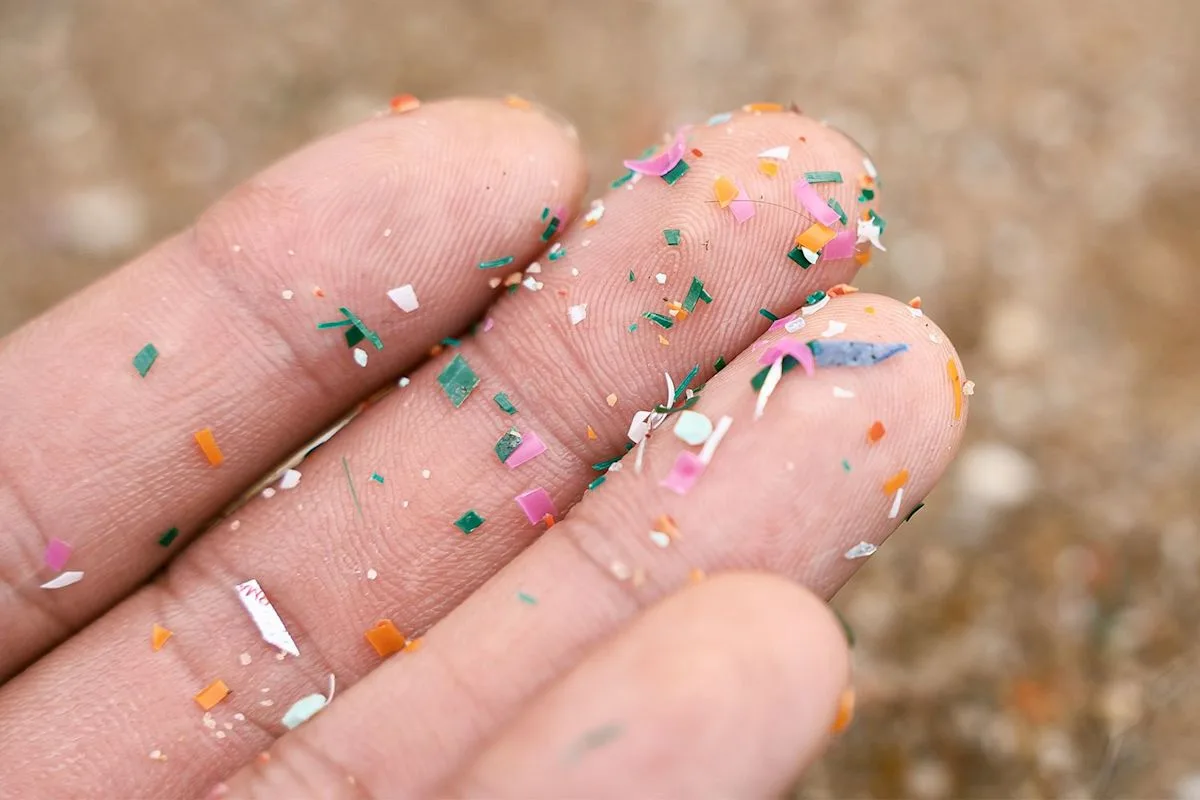
New Study Reveals Microplastics Generate Harmful Radicals in Water
Recent research uncovers that microplastics can produce reactive oxygen species in water, potentially impacting cellular health.
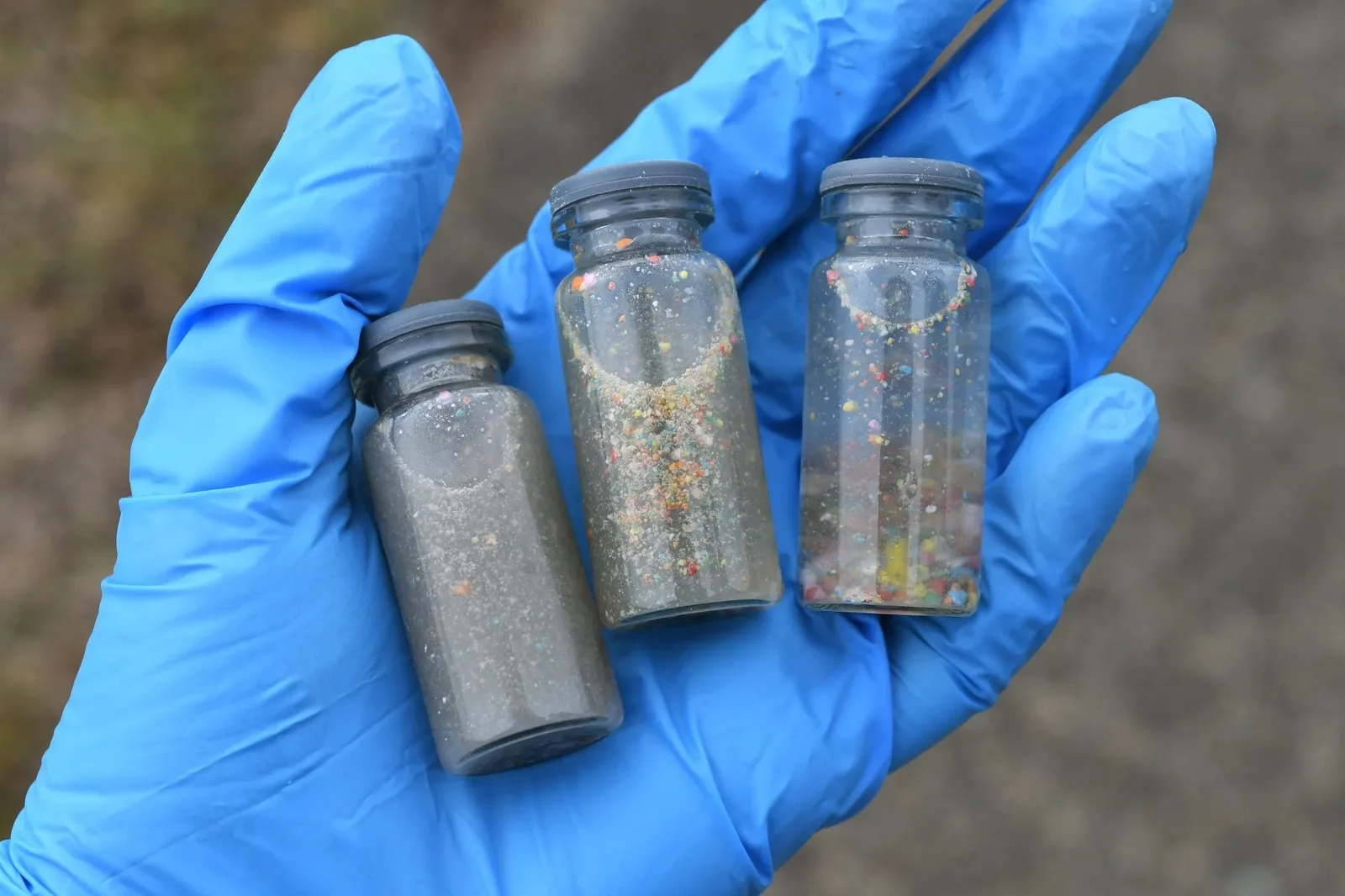
Microplastics generate reactive oxygen species when in contact with water.
The study examined six common plastics and their interactions with water.
Findings suggest microplastics may contribute to cellular damage and inflammation.
A groundbreaking study published in the journal Nature has revealed that microplastics exhibit unexpected chemical activity when they come into contact with water. Researchers found that these small plastic particles, which are less than 5mm in size, can spontaneously generate reactive oxygen species (ROS) at their interfaces with water. This discovery raises significant concerns about the potential health impacts of microplastics, which are prevalent in the environment and have been linked to various health issues, including inflammation and cellular stress.
Microplastics are a byproduct of the widespread use of plastics, known for their durability and resistance to chemical degradation. However, their small size allows them to enter ecosystems and human bodies, leading to growing environmental and health concerns. Previous studies have associated microplastic exposure with various health problems, but the mechanisms behind these effects have remained unclear. The current research aims to clarify how microplastics interact with biological systems, particularly through their chemical activity in water.
The study focused on six commonly used plastics: polypropylene (PP), polyethylene (PE), polyvinyl chloride (PVC), polystyrene (PS), polyethylene terephthalate (PET), and polymethyl methacrylate (PMMA). Through a combination of molecular dynamics simulations and experimental techniques, the researchers investigated how these materials behave in aqueous environments. They found that the degree of hydrophobicity of the plastic surfaces influenced the generation of ROS, with more hydrophobic surfaces producing higher levels of reactive radicals.
The implications of these findings are far-reaching. The generation of ROS at microplastic-water interfaces could have serious consequences for cellular health, potentially leading to protein aggregation and cell damage. This study highlights the need for further research to understand the full impact of microplastics on human health and the environment. As microplastics continue to accumulate in ecosystems, understanding their chemical interactions becomes crucial for developing strategies to mitigate their harmful effects.
Looking ahead, researchers emphasize the importance of continued investigation into the interactions between microplastics and biological systems. Future studies will be essential to determine the extent to which these chemical reactions contribute to health issues in humans and other organisms. The findings from this research could inform the design of safer materials and strategies to reduce the environmental impact of plastic waste.