10% Reduction in Ultra-Processed Foods Linked to 2% Drop in Bowel Cancer Rates
A new study reveals that substituting just 10% of ultra-processed foods with whole foods can lead to a significant decrease in bowel cancer incidence.

Replacing 10% of ultra-processed foods with whole foods is associated with a 2% reduction in bowel cancer rates.
Higher consumption of whole grains and dairy correlates with lower bowel cancer incidence.
The study emphasizes the importance of food types rather than just the ultra-processed label.
A recent analysis involving over 460,000 adults in the U.S. has found that reducing the intake of ultra-processed foods by just 10% can lead to a 2% decrease in the incidence of bowel cancer. This study, which focused on individuals aged 50 to 71, highlights the potential health benefits of incorporating more minimally processed foods into diets.
Historically, the relationship between ultra-processed food consumption and bowel cancer has been debated. While some studies have indicated a link between high consumption of these foods and increased cancer risk, others have reported no significant association. This new research adds clarity by suggesting that not all ultra-processed foods pose the same risks, and the nutritional content of what we eat plays a crucial role in cancer prevention.
The findings reveal that higher intakes of whole grains, fiber, dairy, and calcium are associated with lower bowel cancer rates, while the consumption of processed meats, particularly reconstituted products like hotdogs, correlates with higher incidence rates. The study utilized data from the NIH-AARP Diet and Health Study, where participants provided detailed dietary information over a follow-up period of more than 20 years, resulting in over 10,000 diagnosed bowel cancer cases.
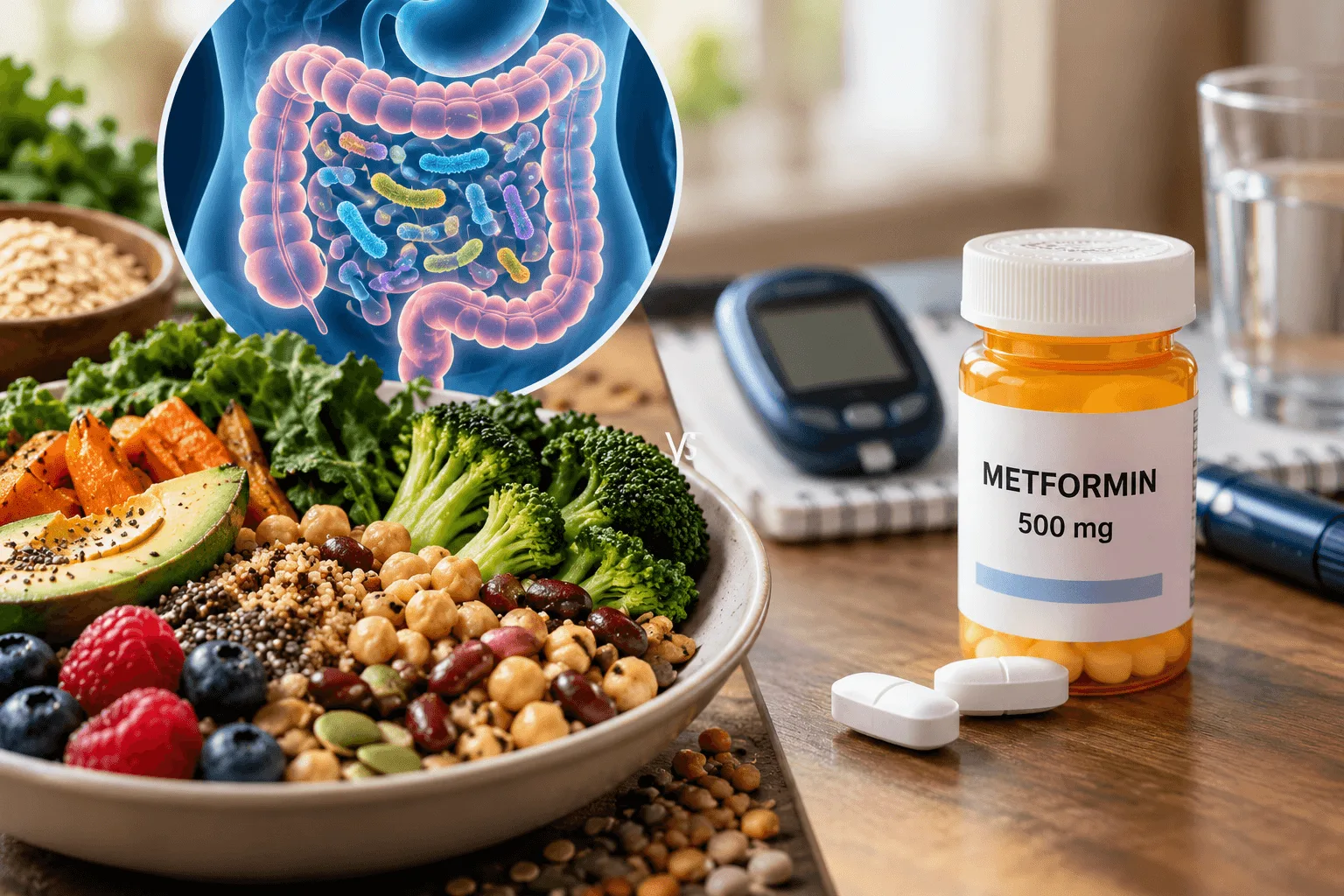
These results have significant implications for public health, suggesting that dietary guidelines should focus on the quality of food rather than merely categorizing foods as ultra-processed. The research advocates for a balanced diet rich in fruits, vegetables, and whole grains, while also advising a reduction in red and processed meat consumption. This approach aligns with existing dietary recommendations aimed at reducing cancer risk.
Looking ahead, researchers and policymakers are encouraged to consider the nuanced differences among ultra-processed foods in future dietary guidelines. The study opens avenues for further research into specific food types and their respective impacts on health, particularly in relation to cancer prevention strategies.