Ebola Outbreak Reaches North Ubangi Province in Congo
The Ebola outbreak in the Democratic Republic of Congo has extended to North Ubangi, marking a significant escalation in the crisis.
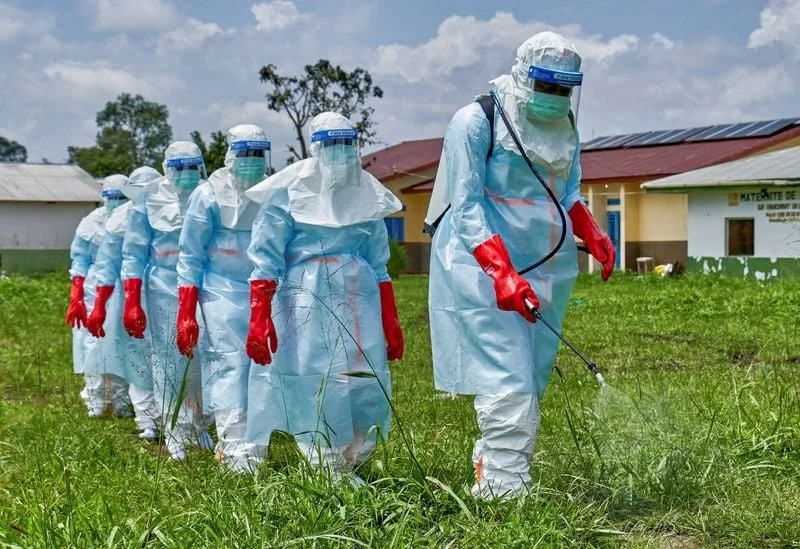
North Ubangi is now the eighth province affected by the ongoing Ebola outbreak.
Confirmed cases have risen to over 9,000, with more than 4,000 fatalities.
The outbreak has also spread to Uganda and Kenya, raising regional health concerns.
The Democratic Republic of Congo is facing a critical escalation in its ongoing Ebola outbreak, as health officials confirmed on October 15 that the virus has spread to North Ubangi province, which borders the Central African Republic. This development marks the eighth province to be impacted by the outbreak of the Bundibugyo strain of Ebola, first reported in mid-May. The outbreak has now resulted in over 9,000 confirmed cases and more than 4,000 deaths, making it the second-largest Ebola outbreak recorded to date.
Despite North Ubangi's recent confirmation of two cases, which have not yet been officially acknowledged by Congolese authorities, the epicenter of the outbreak remains in Ituri province. However, there has been a notable increase in cases in North Kivu province, alongside confirmed infections in South Kivu, Tshopo, Haut-Uele, Bas-Uele, and South Ubangi provinces. A health official in North Ubangi indicated that a series of suspicious deaths had occurred in a mining area within the Wapinda health zone, prompting further investigation and sample analysis at both the provincial laboratory and in Kinshasa.
The implications of this outbreak extend beyond Congo's borders, as cases have also been reported in Uganda, which had been declared Ebola-free just two months prior in August. Additionally, Kenya has recorded its first Ebola infection earlier this month, followed by a second case involving a close relative of the initial patient. These developments raise significant concerns about the potential for further spread of the virus across the region.
The ongoing situation poses a considerable challenge for health authorities in the Democratic Republic of Congo and neighboring countries. The rapid spread of the virus underscores the need for heightened surveillance and response measures to contain the outbreak effectively. The World Health Organization and other health agencies are likely to intensify their efforts to manage the crisis and prevent further infections.
Looking ahead, health officials are focusing on containment strategies and monitoring the situation closely. The need for international support and resources is critical as the outbreak continues to evolve. Authorities are expected to provide updates on the situation as they work to address the public health emergency and mitigate the risks associated with the Ebola virus.