AI Achieves Comparable Accuracy to Radiologists in Prostate MRI Cancer Detection
A recent study reveals that AI can match radiologists in detecting prostate cancer through MRI, enhancing diagnostic access worldwide.
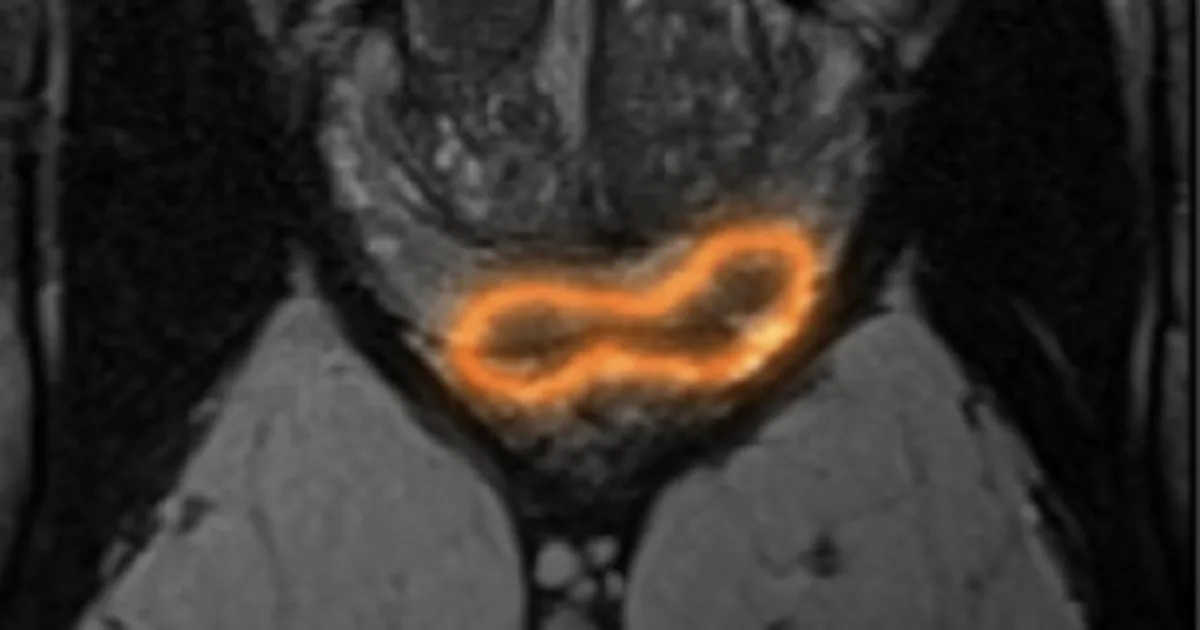
AI's performance in identifying prostate lesions is on par with human radiologists.
The study analyzed over 22,000 MRI exams across multiple countries, demonstrating AI's effectiveness.
Findings suggest AI could alleviate workforce shortages in prostate cancer diagnostics.
A groundbreaking study has found that artificial intelligence (AI) can detect prostate cancer in MRI scans with accuracy comparable to that of experienced radiologists. This research, published in the journal Radiology, highlights the potential for AI to enhance diagnostic capabilities in diverse healthcare environments, addressing a critical need for reliable cancer detection methods.
Historically, the generalizability of AI applications in medical imaging has been a concern, particularly due to the limitations of early AI models trained on narrow datasets. However, advancements in AI training methodologies, which now incorporate diverse patient data, have significantly improved performance. The recent study, known as SCARLET-1, evaluated the effectiveness of an AI algorithm trained on a vast array of MRI examinations from various global locations, demonstrating its ability to identify clinically significant prostate lesions effectively.
The SCARLET-1 study involved a comprehensive analysis of 22,445 prostate MRI examinations from 21,252 patients, utilizing data from 26 cities across 14 countries. The AI's performance was benchmarked against standard diagnostic practices, focusing on the identification of prostate cancer with a Gleason grade of 2 or higher. The results indicated that the AI system achieved diagnostic agreement rates of 83% to 87.9% when compared to human radiologists, with area under the curve (AUC) scores ranging from 0.84 to 0.89 across different datasets.
These findings are significant as they suggest that AI could play a vital role in enhancing access to prostate cancer diagnostics, particularly in regions facing a shortage of specialized radiologists. The authors of the study emphasized that while AI can support the diagnostic process, further confirmatory studies in diverse populations and real-world settings are essential to validate these results fully. They noted that the AI's performance varied by clinical site and image quality, indicating the need for careful implementation and monitoring in clinical practice.
Looking ahead, the authors advocate for the integration of AI into routine prostate MRI interpretation, especially in areas lacking subspecialty expertise. They stress the importance of ongoing evaluation of AI systems to ensure safe and effective clinical use, including monitoring for equity and cost outcomes. As the healthcare landscape evolves, the potential for AI to transform prostate cancer diagnostics continues to expand, promising improved patient outcomes and increased accessibility to essential medical services.