2.3 Million Cancer Cases Linked to Infections in 2024
A groundbreaking analysis reveals that 1 in 8 cancer cases globally is linked to infections, with Helicobacter pylori and HPV being the most significant contributors.

In 2024, approximately 2.3 million new cancer cases are expected to be infection-related.
Eastern Asia accounts for 42% of global infection-attributable cancer cases.
Experts advocate for improved access to preventive measures like HPV vaccination and H. pylori treatment.
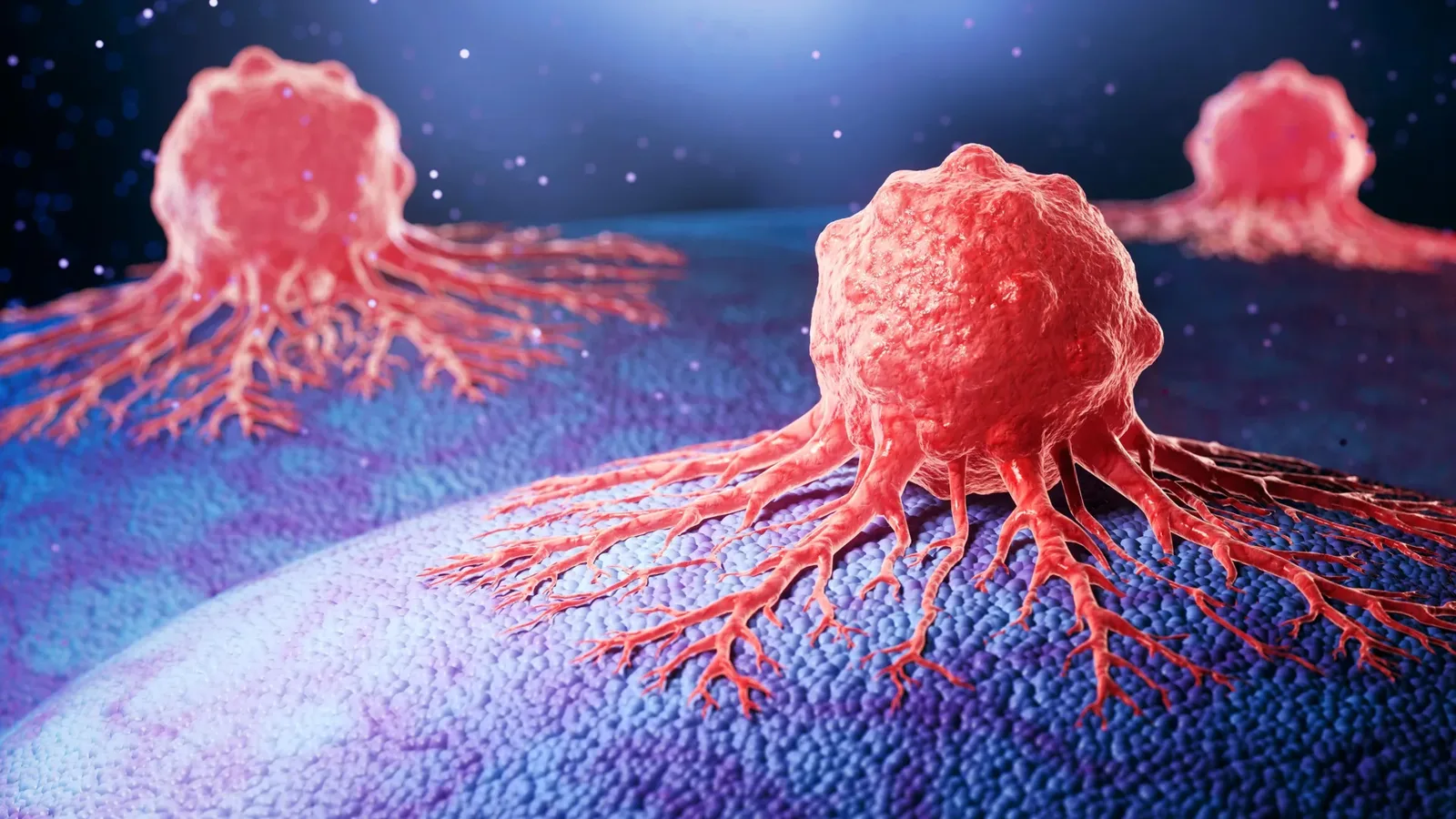
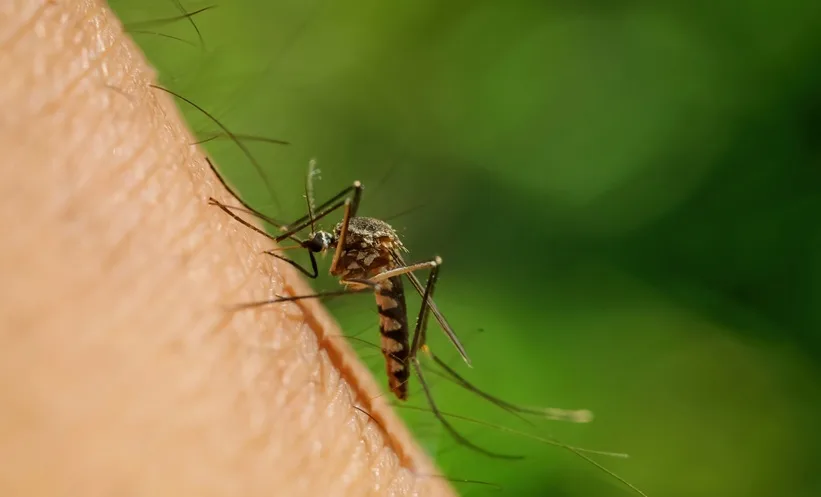
A recent global analysis has revealed that around 2.3 million new cancer cases in 2024 will be attributable to infections, representing one in eight of all new cancer diagnoses. This significant finding highlights the urgent need for enhanced public health strategies to address infection-related cancers, particularly in low- and middle-income countries.
The study identified Helicobacter pylori and human papillomavirus (HPV) as the leading causes of infection-attributable cancers, with H. pylori accounting for 760,000 cases and HPV for 750,000 cases. Eastern Asia emerged as the region with the highest burden, contributing 999,000 cases, which is 42% of the global total. The analysis also noted that the population-attributable fraction (PAF) for this region was 15%, with an age-standardized incidence rate (ASIR) of 31.9 per 100,000 person-years, significantly above the global average.
Despite advancements in vaccination and screening programs, infection-related cancers continue to pose a global health challenge. Researchers, including Rumgay and colleagues, emphasized that persistent inequities in healthcare access, particularly in low-income regions, exacerbate the issue. They called for broader implementation of HPV vaccination and H. pylori screening and treatment initiatives to mitigate the risk of cancer development.
The report also highlighted the importance of addressing the high incidence of cervical cancer linked to HPV, urging increased access to vaccines in vulnerable populations. Furthermore, the burden of HIV-related cancers remains notably high in southern and eastern Africa, prompting calls for the integration of long-acting injectable pre-exposure prophylaxis (PrEP) into comprehensive healthcare strategies to reduce HIV transmission and associated cancer risks.
Looking ahead, the researchers stress the need for a coordinated approach to combat infection-related cancers. They advocate for a shift in public health focus towards aggressive infection control measures, which could significantly reduce future cancer diagnoses. As David Greenberg, MD, noted, the intertwined nature of infectious diseases and oncology necessitates a unified strategy to tackle this pressing health issue effectively.