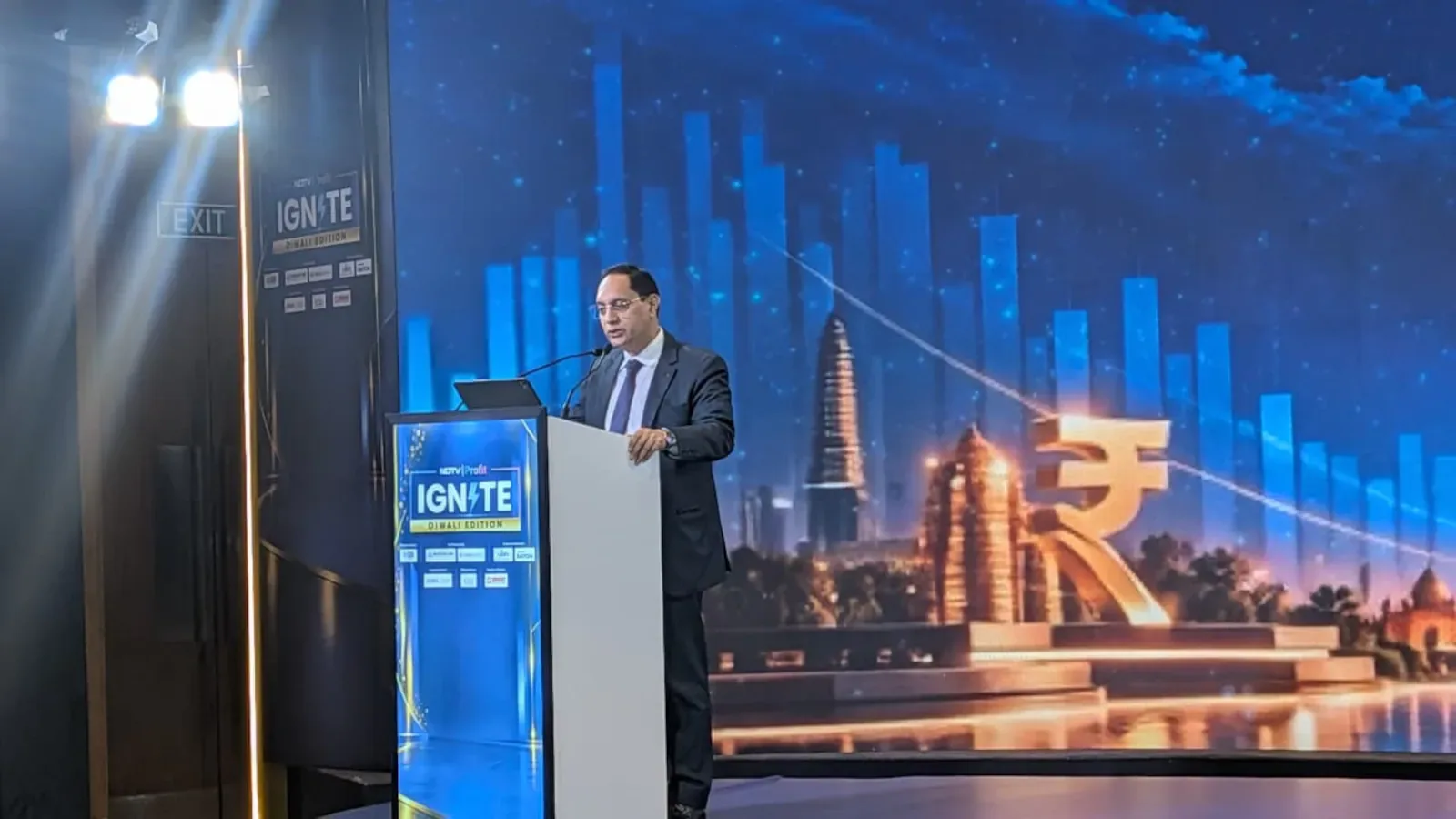
India's Energy Dilemma: Former Official Discusses Russian Oil Imports
Ex-foreign secretary Harsh Vardhan Shringla emphasizes the risks of halting Russian oil purchases amid global energy concerns.

India relies on Russia for nearly 50% of its oil imports through 2026.
Halting Russian oil purchases could lead to a domestic energy crisis and spike global prices.
India has diversified its energy sources, increasing purchases from the US and other countries.
In a recent discussion at an Asia Society event, former foreign secretary Harsh Vardhan Shringla highlighted the complexities surrounding India's dependence on Russian oil. He warned that abruptly ceasing imports from Russia could trigger a significant energy crisis domestically and elevate global oil prices. Shringla's comments come as India navigates its energy strategy amidst international pressures and geopolitical tensions.
Historically, India has adjusted its oil purchasing strategies in response to external pressures, notably from the United States. Shringla recounted a conversation with a US official during the Biden administration, who urged India to reduce its Russian oil imports. He reflected on previous instances where India curtailed imports from Iran and Venezuela under similar pressures, emphasizing the challenges of balancing international relations with national energy needs.
Currently, Russian oil constitutes a substantial portion of India's energy imports, accounting for nearly half of its oil supply in the coming years. Shringla pointed out that halting these imports could not only destabilize India's energy security but also have far-reaching implications for global energy markets. He noted that a sudden stop in Russian oil purchases could lead to soaring energy prices, exacerbating inflation and impacting economic stability.
Despite the pressures, India's oil minister Hardeep Singh Puri has stated that the country has not faced direct pressure from the US to cut Russian oil imports. Puri emphasized that India's decisions are based on market conditions, including price competitiveness. He acknowledged a shift towards purchasing more discounted crude from Gulf nations, indicating a diversification of India's energy sources in response to changing geopolitical dynamics.
Looking ahead, India continues to reassess its energy procurement strategies, balancing the need for stability with the pressures of international relations. As the country emerges as a major player in the global energy market, the decisions made in the coming months will have significant implications for both domestic energy security and international oil prices.