Gold Prices Decline as Oil Prices Surge Amid Inflation Concerns
Gold experiences a downturn for the third consecutive session, driven by rising oil prices and looming Federal Reserve decisions.
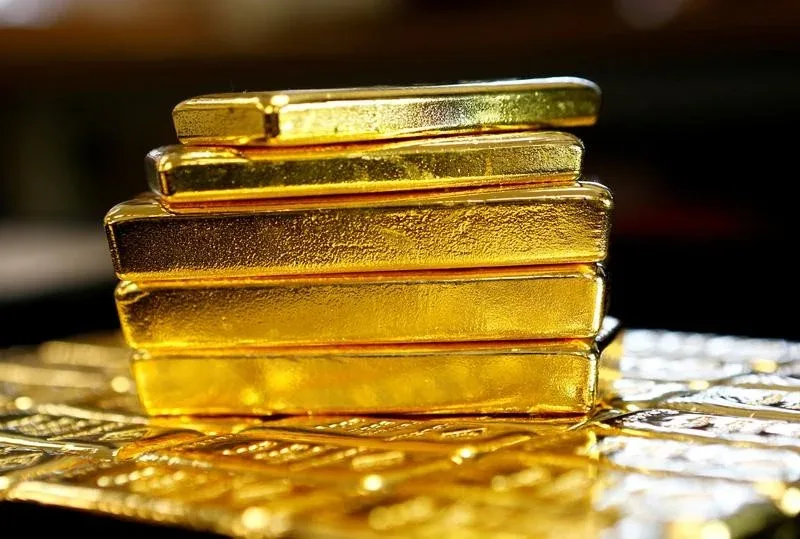
Gold prices fell by 0.4% to $4,123.32 per ounce amid inflation fears.
Brent crude oil prices exceeded $110 per barrel, raising concerns over energy supply disruptions.
The Federal Reserve is expected to maintain interest rates at its upcoming meeting, with a high probability of a rate hike in December.
Gold prices continued to decline on Tuesday, marking a third consecutive session of losses. Spot gold decreased by 0.4% to $4,123.32 per ounce, while gold futures dipped 0.5% to $4,141.09 per ounce. This drop follows a 0.6% decline in the previous session, as investors reacted to rising oil prices that have intensified inflation concerns and complicated the outlook for U.S. monetary policy ahead of the Federal Reserve's meeting scheduled for next week.
The backdrop for this decline includes a surge in oil prices, with Brent crude remaining above $110 a barrel, nearing a five-month high. This spike is attributed to fears of potential disruptions to energy supplies in the Gulf region, particularly following reported attacks on vessels near the Strait of Hormuz. The Houthi group from Yemen claimed responsibility for strikes on various Saudi targets, including energy facilities, which has further heightened market anxiety.
Market participants are closely monitoring the Federal Reserve's upcoming meeting on October 27-28, where officials are widely anticipated to keep interest rates unchanged. Current trading indicates an 83% likelihood of no change in rates, but there is a 94% chance of a rate increase in December. The Fed had previously raised its benchmark rate in September for the first time in three years, citing the need to address inflationary pressures.
Recent economic data revealed that consumer prices rose more than expected last month, primarily due to escalating gasoline and diesel prices. This development has reinforced concerns that high energy costs could hinder the Fed's efforts to bring inflation down to its target of 2%. The upcoming release of the personal consumption expenditures (PCE) price index later this month will provide further insights into inflation trends, although it will be published after the Fed's policy decision.
Looking ahead, investors will be keenly awaiting the PCE data, as it is one of the Fed's preferred metrics for assessing price growth. The interplay between rising oil prices and inflation will likely continue to influence market sentiment and the Federal Reserve's monetary policy decisions in the coming months.