Brent Crude Surpasses $110 Amid Rising Tensions in Persian Gulf
Brent crude oil prices have surged past $110 per barrel due to escalating tanker attacks in the Strait of Hormuz.
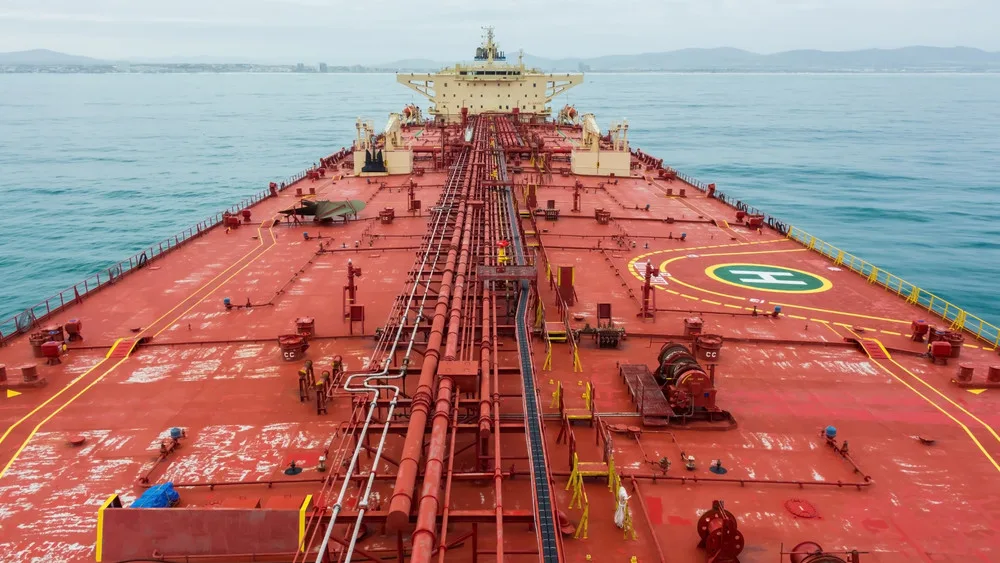
Brent crude reached $109.68 per barrel, its highest in five months.
Reports indicate at least 18 tanker attacks in the past two weeks, disrupting oil exports.
The ongoing conflict in the Middle East continues to create volatility in oil markets.
Brent crude oil prices have surged past the $110 mark, reaching $109.68 per barrel earlier today, as traders express growing concerns over the stability of oil supplies from the Persian Gulf. West Texas Intermediate (WTI) also saw a rise, trading at $98.55 per barrel. This increase marks Brent's highest price in five months, reflecting the impact of recent geopolitical tensions on the oil market.
The surge in prices follows alarming reports of tanker attacks in the Strait of Hormuz, a critical passage for global oil shipments. According to Kpler, a firm monitoring oil flows, these attacks have significantly disrupted oil exports, which had recently returned to pre-war levels. The firm now reports that the daily average oil flow from the Persian Gulf has plummeted to 8.5 million barrels, down from over 20 million barrels just two weeks ago.
Reuters has documented at least 18 tanker attacks in the last fortnight, underscoring the escalating risks in the region. Analysts from ING noted that despite the ongoing tensions, oil prices are being supported by the market's perception of risk, suggesting a significant risk premium is being factored into current prices. They indicated that unless oil flows stabilize, the volatility and associated premiums are likely to persist.
In addition to the tanker attacks, the conflict involving the Yemeni Houthis has further exacerbated the situation, with recent strikes targeting Saudi energy infrastructure and military sites. This ongoing conflict has contributed to the heightened volatility in oil prices, as market participants remain wary of further escalations in the Middle East.
Looking ahead, the oil market will be closely monitoring developments in the region, particularly any further incidents involving tanker safety and the broader geopolitical landscape. Traders are keenly aware that stability in oil flows is crucial for alleviating current price pressures, and any signs of improvement could lead to a reduction in the war premium currently influencing market dynamics.