Uttar Pradesh CEO Confirms 85,854 Voter Deletions Without Reasons
The Election Commission of India faces scrutiny as UP's CEO admits to auto-generating forms for mass voter deletions, raising concerns over electoral integrity.
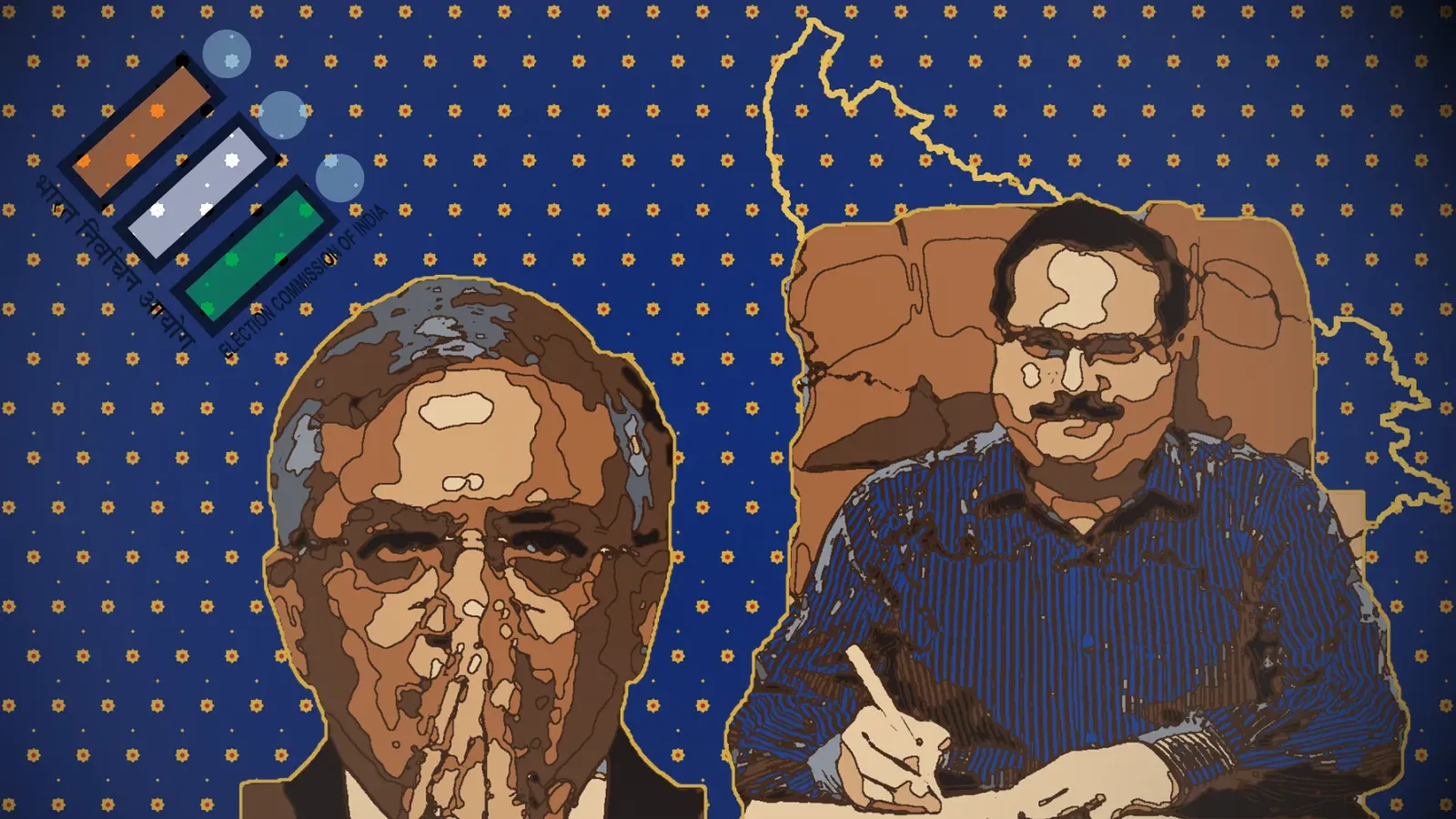
UP's CEO acknowledges 85,854 voter deletion forms were generated without reasons.
Over 200 attempts to delete Muslim voters en masse reported during the revision process.
Legal requirements for voter deletions were reportedly bypassed, prompting calls for accountability.
On October 9, a significant investigation by The Reporters' Collective revealed that the Election Commission of India (ECI) compelled election officials in Uttar Pradesh to sign off on forms that deleted 85,854 voters without providing any justification. This revelation came during the Special Intensive Revision (SIR) process in the state, raising alarms about the integrity of the electoral system.
The chief electoral officer (CEO) of Uttar Pradesh, Navdeep Rinwa, responded shortly after the report's publication, labeling it as filled with inaccuracies. However, in a subsequent video statement, Rinwa confirmed the report's findings regarding the auto-generated forms, which lacked necessary explanations for the deletions. This omission violates legal requirements mandating that a reason be provided for voter removals.
Rinwa also acknowledged that there were over 200 instances of attempts to delete Muslim voters in bulk, which he claimed were minor compared to the total voter population in Uttar Pradesh. He stated that only about 4,700 names were associated with multiple deletion complaints, emphasizing the scale of the voter base in the state. This acknowledgment has raised further questions about the motives behind such deletions, especially in the context of upcoming assembly elections.
The implications of these findings are significant, as they suggest a pattern of irregularities in the management of voter rolls in Uttar Pradesh. Previous investigations have indicated that the state has seen dubious additions and deletions that are not typical in other regions. The CEO's previous actions, including withholding details about 16.18 lakh newly added voters, have also come under scrutiny, suggesting a lack of transparency in the electoral process.
Looking ahead, the upcoming assembly elections in February-March 2024 will likely intensify scrutiny on the ECI's practices. The recent changes in protocols regarding voter deletion objections further complicate the situation, as the ECI has limited the number of objections that can be filed within a month. This raises concerns about the potential for further irregularities and the need for a thorough review of the electoral processes to ensure fairness and transparency in the upcoming elections.