ECI Launches Special Summary Revision for Voter Enrollment in 17 States
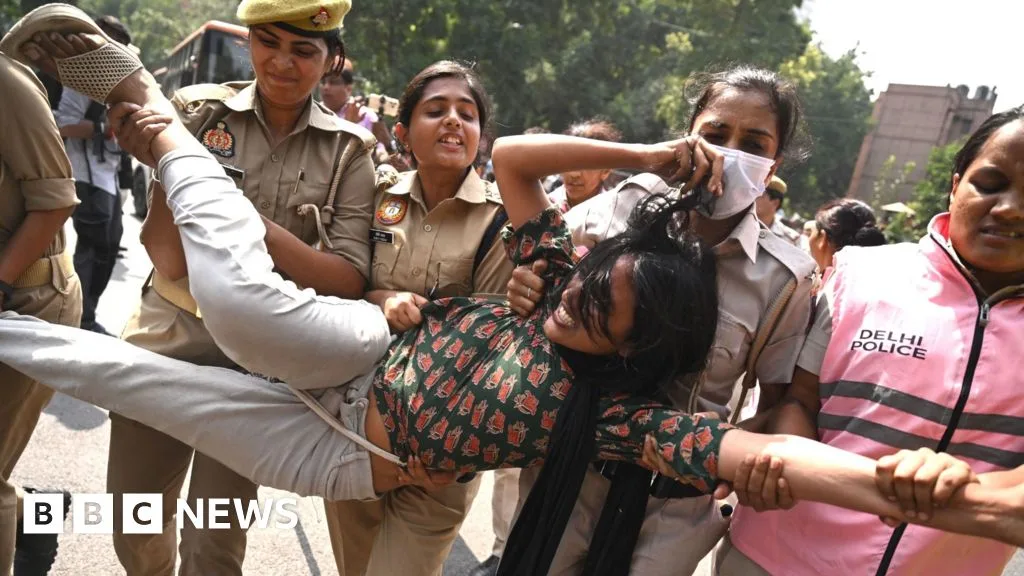
In response to ongoing protests, the Election Commission of India has initiated a special summary revision of electoral rolls across 17 states and union territories.
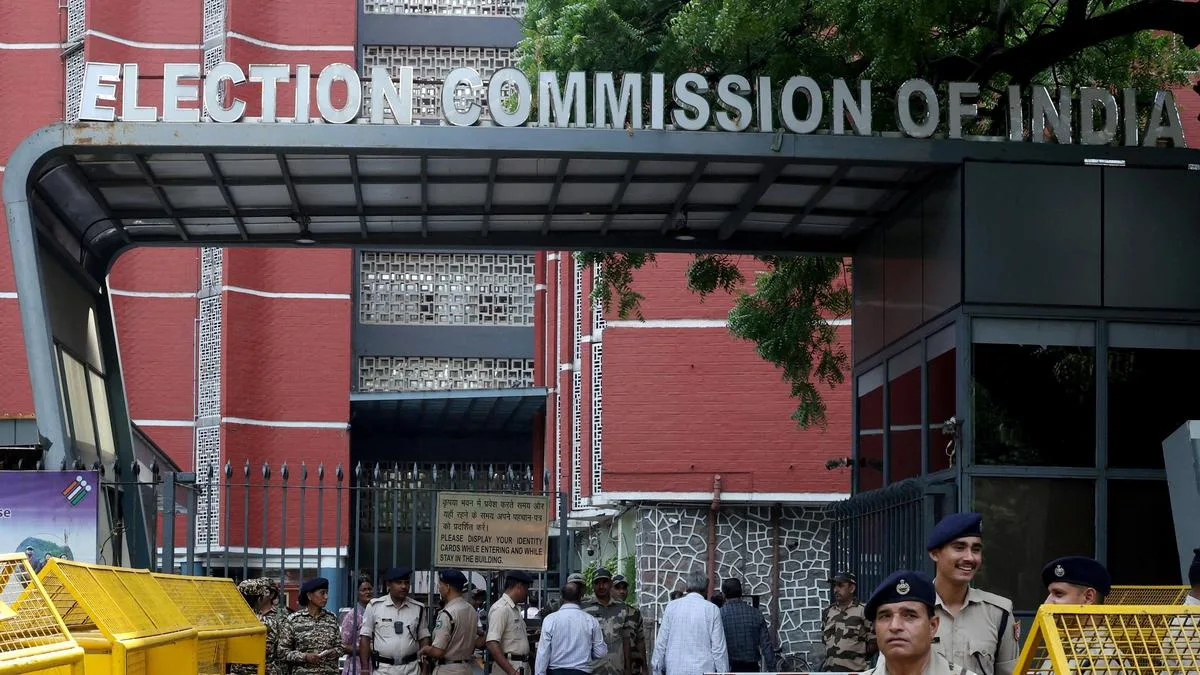
The special summary revision (SSR) aims to enroll new voters and update electoral rolls.
Protests against the special intensive revision (SIR) prompted the ECI to act, allowing easier enrollment without citizenship documentation.
The SSR will provide readable PDFs of electoral rolls to political parties, enhancing accessibility and verification.
On October 15, 2026, the Election Commission of India (ECI) announced a special summary revision (SSR) of electoral rolls in 17 states and union territories, including key regions like Uttarakhand, Uttar Pradesh, and Punjab. This decision comes amid significant protests against the special intensive revision (SIR) and Chief Election Commissioner Gyanesh Kumar. The SSR is designed to facilitate the enrollment of new voters and ensure that electoral rolls are up-to-date.
Historically, the SSR is an annual process that was halted last year due to the controversial implementation of the SIR, which faced backlash for its deletion of approximately 13 crore voters. Election Commissioners S. S. Sandhu and Vivek Joshi have raised concerns about the anomalies associated with the SIR. Unlike the SIR, the SSR allows applicants to enroll without needing to submit citizenship documents or be linked to previous electoral rolls, making the process more accessible.
In response to the protests, the ECI had previously announced a special initiative on September 29 to re-enlist voters who had been removed from the rolls. This initiative includes special camps and house-to-house visits by booth-level officers (BLOs) using the original Form 6, excluding the declaration that was part of the SIR. Additionally, the ECI has limited the number of Form 7 submissions for voter deletions to prevent bulk applications.
A notable feature of this year's SSR is the provision of a readable PDF version of the electoral rolls to contesting candidates and recognized political parties, a move aimed at improving transparency. Opposition parties have long called for machine-readable electoral rolls to enhance searchability and verification. Furthermore, supplementary voter lists will now be made available to political parties, which were previously kept for internal records only.
The SSR process will not involve house-to-house visits by BLOs; instead, draft and final electoral lists will be displayed at polling booths. The ECI has instructed Chief Electoral Officers in the participating states and union territories to facilitate the enrollment of eligible voters with reference to the qualifying date of January 1, 2027, and to accept advance applications for subsequent qualifying dates in April, July, and October 2027. The SSR will take place in states such as Assam, Bihar, Chhattisgarh, and others, while the schedule for states currently undergoing the SIR will be announced later.