US Imposes Sanctions on International Criminal Court
In a significant move, the US government has sanctioned the International Criminal Court, aiming to restrict its operations amid ongoing investigations.
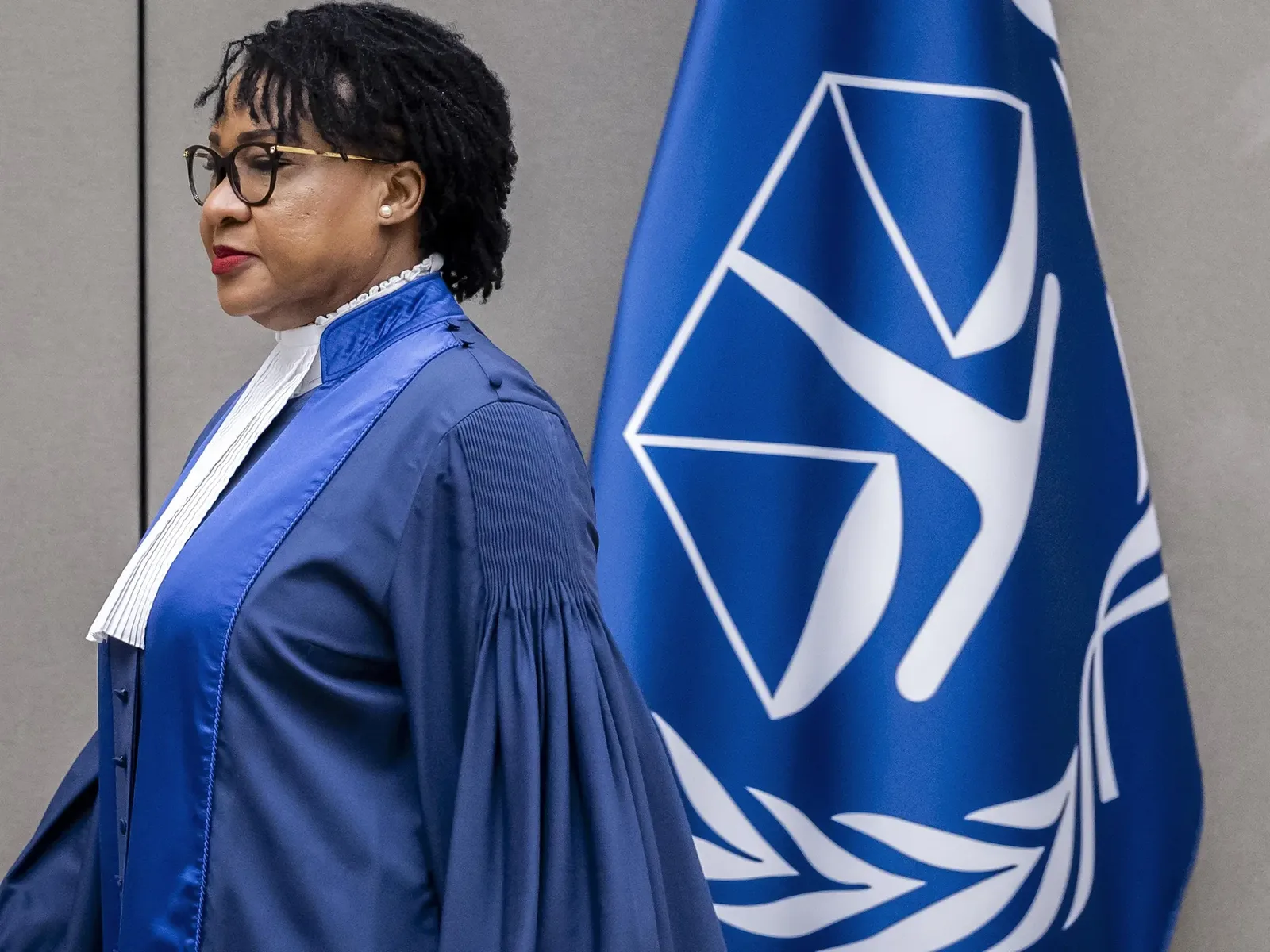
The US has sanctioned the ICC itself, marking a major escalation in its stance against the tribunal.
Secretary of State Marco Rubio stated that the sanctions aim to cut off resources and undermine the court's operations.
The ICC has called for member states to support it against these sanctions, emphasizing the importance of international law.
In a bold escalation of its foreign policy, the United States has imposed sanctions directly on the International Criminal Court (ICC), as announced by Secretary of State Marco Rubio. This unprecedented move aims to restrict the court's resources and operations, reflecting the Trump administration's ongoing commitment to dismantle the tribunal, which it views as a threat to US sovereignty.
Historically, the ICC has faced criticism from the US government, particularly regarding its investigations into alleged war crimes involving American military personnel. The latest sanctions come in response to the ICC's inquiries into abuses in Afghanistan and its arrest warrants for Israeli officials, including Prime Minister Benjamin Netanyahu. The Trump administration's stance has been clear: it will not tolerate what it perceives as overreach by the ICC.
The sanctions specifically target the ICC as an entity, rather than individual officials or supporting organizations. Rubio emphasized that the US would ban transactions with the court, stating, "the United States and the American people are not subject to the jurisdiction of this fake ICC." This marks a significant shift from previous sanctions that focused on judges and prosecutors associated with the court. Critics argue that these sanctions infringe upon the constitutional rights of US citizens who wish to engage with the ICC.
The implications of these sanctions extend beyond the court itself. Rights organizations have expressed concern that the US pressure campaign could hinder the ICC's ability to conduct investigations, particularly those relying on local organizations for evidence. Legal experts warn that the sanctions could significantly impact the court's operations, complicating its ability to function effectively in the face of international law violations.
Looking ahead, the ICC has called on its member states to bolster their support in light of these sanctions. The court's future may depend on the willingness of its allies to intervene and provide assistance. As the situation unfolds, it remains to be seen how the ICC will adapt to these challenges and whether it can maintain its mandate to hold perpetrators of war crimes accountable on the global stage.