Saurav Das Denied Boarding for UK Trip Amid Controversy
Saurav Das, leader of the Cockroach Janta Party, claims he was barred from flying to the UK for an Oxford event due to a flagged passport.
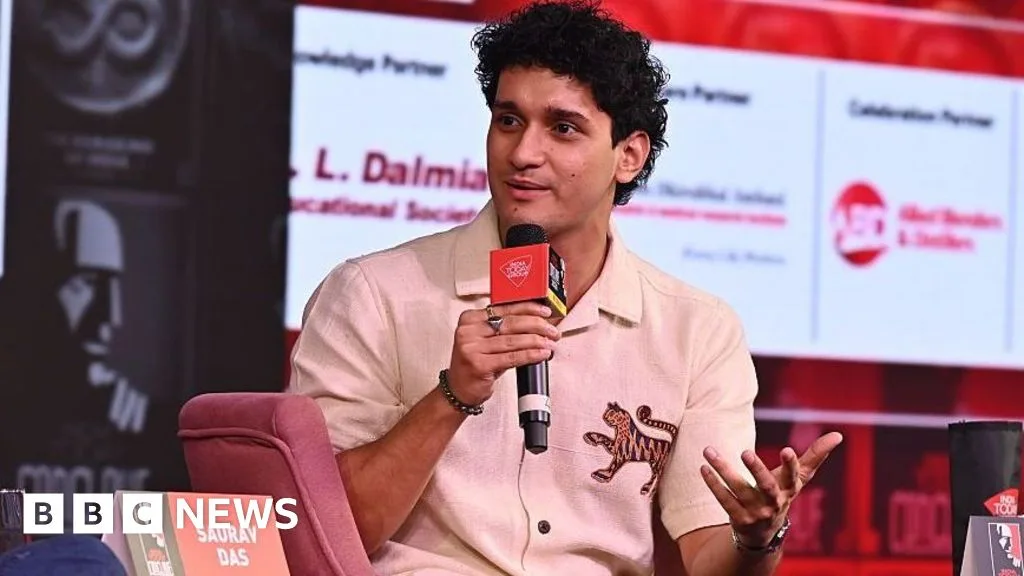
Saurav Das was prevented from boarding a flight to the UK by immigration officials at Delhi airport.
The reason for the passport flagging remains unclear, prompting inquiries to various authorities.
Das's party has been involved in significant protests, raising concerns about freedom of expression in India.
Saurav Das, a prominent leader of India's Cockroach Janta Party (CJP), reported that he was stopped from boarding a flight to the UK at Delhi airport. Scheduled to depart on Tuesday at 1:00 AM local time, Das was informed by immigration officials that his passport had been flagged, although the specific reasons for this action have not been disclosed. The incident raises questions about the treatment of political activists and the state of civil liberties in India.
Das, who gained attention earlier this year for his role in Gen Z-led protests, was invited by the Oxford Union to discuss the movement he represents. He also had engagements lined up at universities in Cambridge and Edinburgh. In a post on social media platform X, he expressed his disappointment, suggesting that the government was intimidated by his presence at these prestigious institutions, which were organized by Indian students.
The federal home ministry has directed inquiries to the airport authorities and Delhi police regarding Das's claims. Ratna Singh, another CJP leader, echoed concerns about freedom of expression, noting that her visa was also rejected shortly before the planned trip. This incident has ignited discussions about the government's stance on dissent and the suppression of young voices in India.
The Cockroach Janta Party has been at the forefront of various protests, including those that led to the resignation of India's Education Minister Dharmendra Pradhan over exam paper leaks. In October, Das and other CJP leaders faced police detentions while protesting against alleged electoral irregularities. Such actions have raised alarms about the increasing restrictions on political activism and freedom of speech in the country.
Looking ahead, the CJP and its supporters are likely to continue advocating for civil liberties and transparency in governance. The implications of Das's denied boarding could resonate beyond individual cases, potentially influencing public discourse on the rights of activists and the government's approach to dissent in India.