COP31 Concludes Without Agreement, Marking a Historic Setback
The recent UN climate summit ended in a historic failure, as countries could not reach a consensus on addressing fossil fuels.
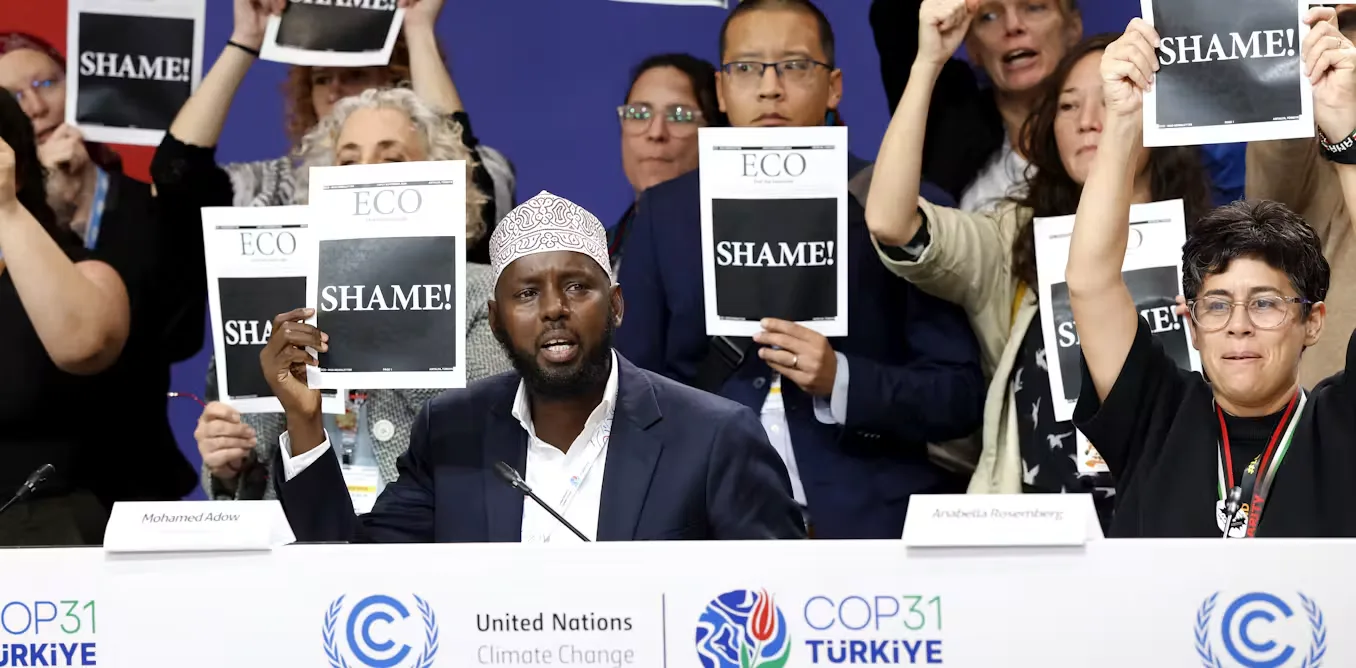
COP31 marks the first failure to reach a consensus in over 20 years.
Disagreements over fossil fuel mentions led to the collapse of negotiations.
Vulnerable nations expressed deep disappointment over the lack of action.
The 31st UN Climate Change Conference (COP31) concluded without a final agreement, marking a significant setback in global climate negotiations. This outcome is particularly notable as it is the first instance in over two decades where participating nations could not reach a consensus. The summit, held in Antalya, Turkey, began with optimism, as the agenda was quickly adopted on the first day, suggesting a smooth progression towards implementing previously agreed-upon policies.
However, the atmosphere shifted dramatically in the second week of the summit. The draft agreement, known as the Antalya Accords, acknowledged the failure to limit global temperature rise to below 1.5°C and recognized the onset of a concerning climate 'overshoot.' Tensions escalated as oil and gas-producing nations, led by Saudi Arabia, successfully lobbied to exclude any references to fossil fuels from the agreement. This pivotal disagreement ultimately derailed negotiations, leading to the summit's failure.
The breakdown in talks was underscored by statements from delegates, including Panama's environment minister, who expressed frustration over the lack of meaningful outcomes. The absence of fossil fuel references in the draft agreement was a significant sticking point, as many nations, including those from the EU and vulnerable island states, refused to accept a text that did not address the root causes of climate change. This reflects a broader trend in climate summits where initial ambitious proposals are diluted as negotiations progress.
Despite the disappointing outcome regarding fossil fuels, COP31 did highlight some positive developments, particularly in the area of electrification. The summit set a target for electricity to constitute 35% of global energy consumption by 2035. A delivery package aimed at promoting electrification was launched, backed by over 150 countries and numerous businesses. However, the lack of a commitment to phase out fossil fuels raises concerns about the effectiveness of electrification in reducing emissions.
The failure to secure a robust agreement left many climate-vulnerable nations, particularly Pacific island states, feeling abandoned. These nations face existential threats from rising sea levels and extreme weather, yet the summit did not provide the necessary support or financing for adaptation. As the world grapples with the implications of climate change, the inability to forge a clear path away from fossil fuels represents a significant victory for fossil fuel-producing countries and a setback for those most affected by climate change.