US Imposes Sanctions on ICC Following Nobel Win for Navi Pillay
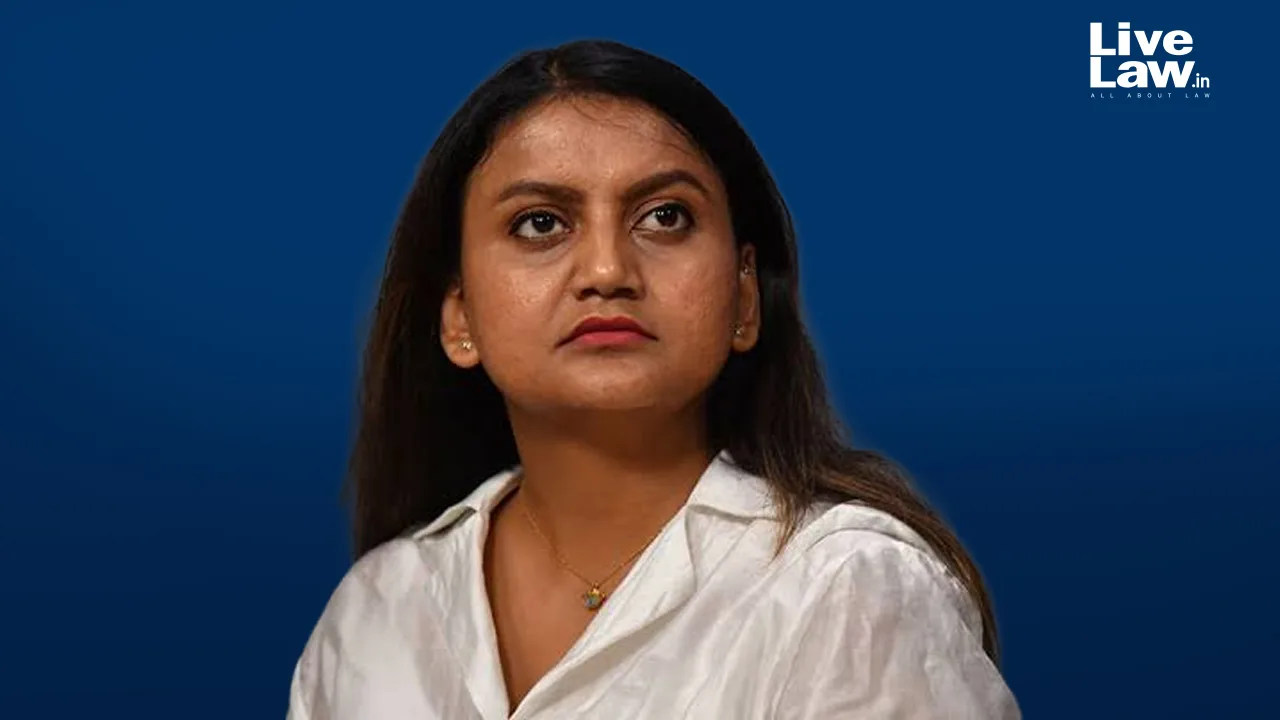
In a significant move, the US has sanctioned the International Criminal Court just hours after former judge Navi Pillay received the Nobel Peace Prize.
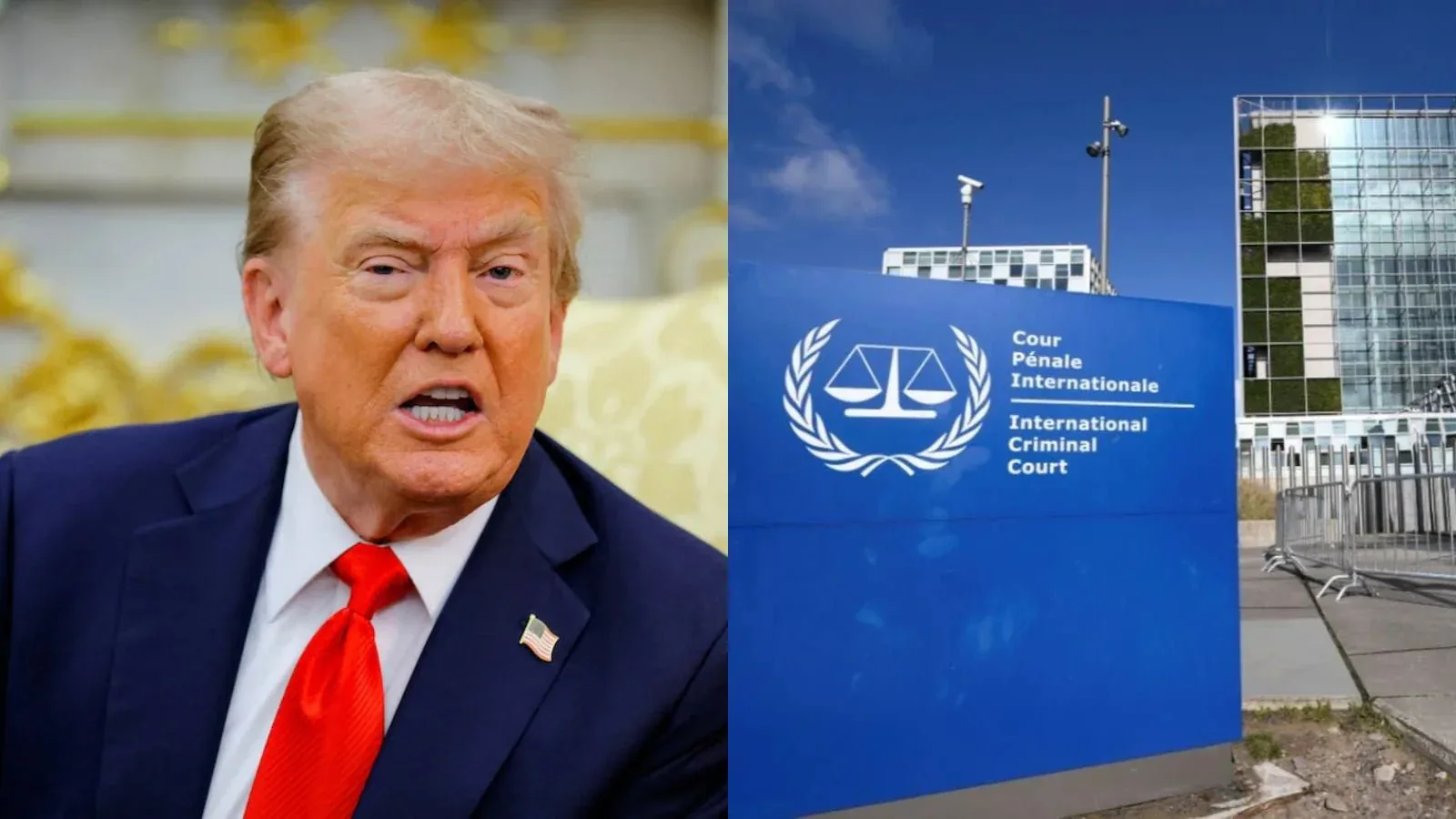
US Secretary of State Marco Rubio labels the ICC a 'rogue court'.
Sanctions block ICC assets in the US and restrict business dealings.
The ICC condemns the sanctions as an attack on international law.
In a dramatic escalation of tensions, the Trump administration announced sweeping sanctions against the International Criminal Court (ICC) on October 9, 2026, shortly after former ICC judge Navi Pillay was awarded the Nobel Peace Prize. Secretary of State Marco Rubio characterized the ICC as a 'rogue court' that operates against US interests, asserting that the sanctions aim to cripple its ability to function.
The ICC has faced criticism from the US for allegedly politicizing its operations and pursuing cases against American and Israeli officials for war crimes. Rubio emphasized that the sanctions will prohibit any transactions with the court, effectively cutting off its resources. He stated, "We will ban transactions with this rogue court, cutting off their resources and crippling its ability to operate against us."
The sanctions specifically target any assets the ICC may hold within US jurisdictions and set a six-month deadline for American entities engaged with the court to cease their operations. Rubio further claimed that the ICC's actions threaten US sovereignty and that the Trump administration will not allow the court to prosecute American citizens. He warned, "Either the ICC will end its threats, or we will end the ICC."
The ICC responded swiftly, denouncing the sanctions as an assault on international law and an attempt to intimidate its staff. In a statement, ICC President Tomoko Akane asserted that the court would continue to fulfill its mandate with independence and impartiality. The ICC called on its 125 member states to support the institution, emphasizing that its future depends on the backing of its founding nations.
Looking ahead, the implications of these sanctions could significantly affect international relations, particularly with countries that are ICC members. The US expects its allies to take a stand against what it perceives as the ICC's overreach. As the situation develops, the international community will be watching closely to see how this conflict between the US and the ICC unfolds, particularly in light of ongoing discussions about global justice and accountability.