UK PM Andy Burnham Open to Apologizing for Slavery
In a recent statement, UK Prime Minister Andy Burnham expressed openness to formally apologizing for Britain's historical role in the slave trade, while rejecting financial reparations.
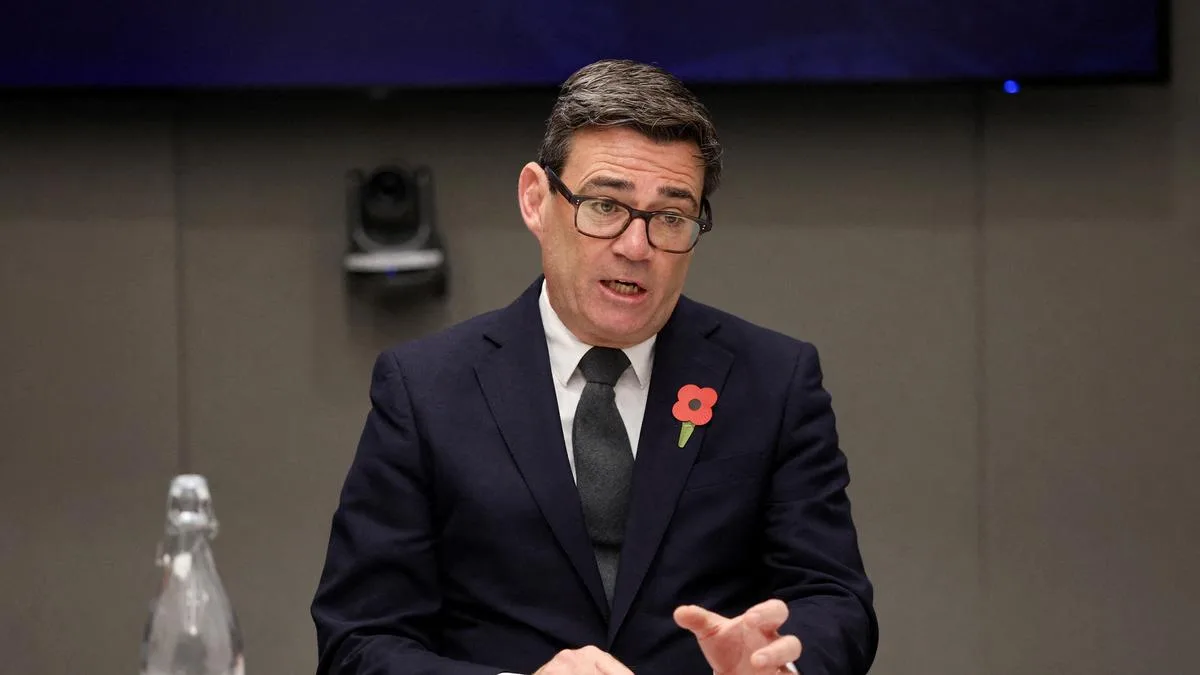
Burnham acknowledges the need for dialogue on slavery ahead of the Commonwealth Heads of Government Meeting.
The UK government is considering a formal apology but has ruled out financial reparations.
Calls for accountability have intensified as King Charles III tours the Caribbean, highlighting historical injustices.
UK Prime Minister Andy Burnham has indicated that his government is willing to consider a formal apology for Britain's involvement in the slave trade. This statement was made in an opinion piece published in The Guardian on October 30, 2026, just days before the Commonwealth Heads of Government Meeting (CHOGM) scheduled to take place in Antigua and Barbuda. Burnham's remarks come amidst growing demands for Britain to acknowledge its colonial past and the impact of slavery, particularly from nations like India.
Historically, Britain played a significant role in the transatlantic slave trade, transporting approximately three million Africans to work on plantations across its colonies in the Americas. The British government began the process of abolishing the slave trade in 1807, with full abolition occurring in 1833. However, it wasn't until 1838 that all enslaved individuals were freed. Notably, the British government compensated slave owners with a staggering GBP 20 million, which represented 40% of its annual budget at the time. Burnham emphasized the historical significance of Manchester's cotton industry, which was built on the labor of enslaved people.
In his commentary, Burnham recognized the importance of engaging in discussions about slavery, stating that ignoring the issue has hindered the Commonwealth's functionality. He expressed a commitment to initiating structured dialogues with countries affected by the transatlantic slave trade, indicating that listening to calls for an apology would be a crucial part of this process. His comments come at a time when King Charles III is touring the Caribbean, where he acknowledged the suffering caused by historical injustices but stopped short of issuing an apology.
The Prime Minister's remarks have been welcomed by leaders such as Barbadian Prime Minister Mia Amor Mottley, who noted the differing views on reparations. While some nations are advocating for financial reparations, Burnham has dismissed this notion, arguing that contemporary British citizens cannot be held accountable for historical wrongs committed under different legal frameworks. Instead, he announced that former Prime Minister Gordon Brown would lead a debt restructuring initiative aimed at supporting some of the poorest Commonwealth nations.
Looking ahead, the UK government is expected to continue its discussions on the legacy of slavery and colonialism, with an emphasis on fostering dialogue and understanding. As the Commonwealth Heads of Government Meeting approaches, the focus on Britain's historical accountability may shape future relations within the Commonwealth and influence discussions on reparations and acknowledgment of past injustices.