Trump Secures Diesel Supply Deal with Russia Ahead of Elections
In a surprising move, President Trump announces a significant diesel supply agreement with Russia, drawing criticism from Ukraine's Zelensky.
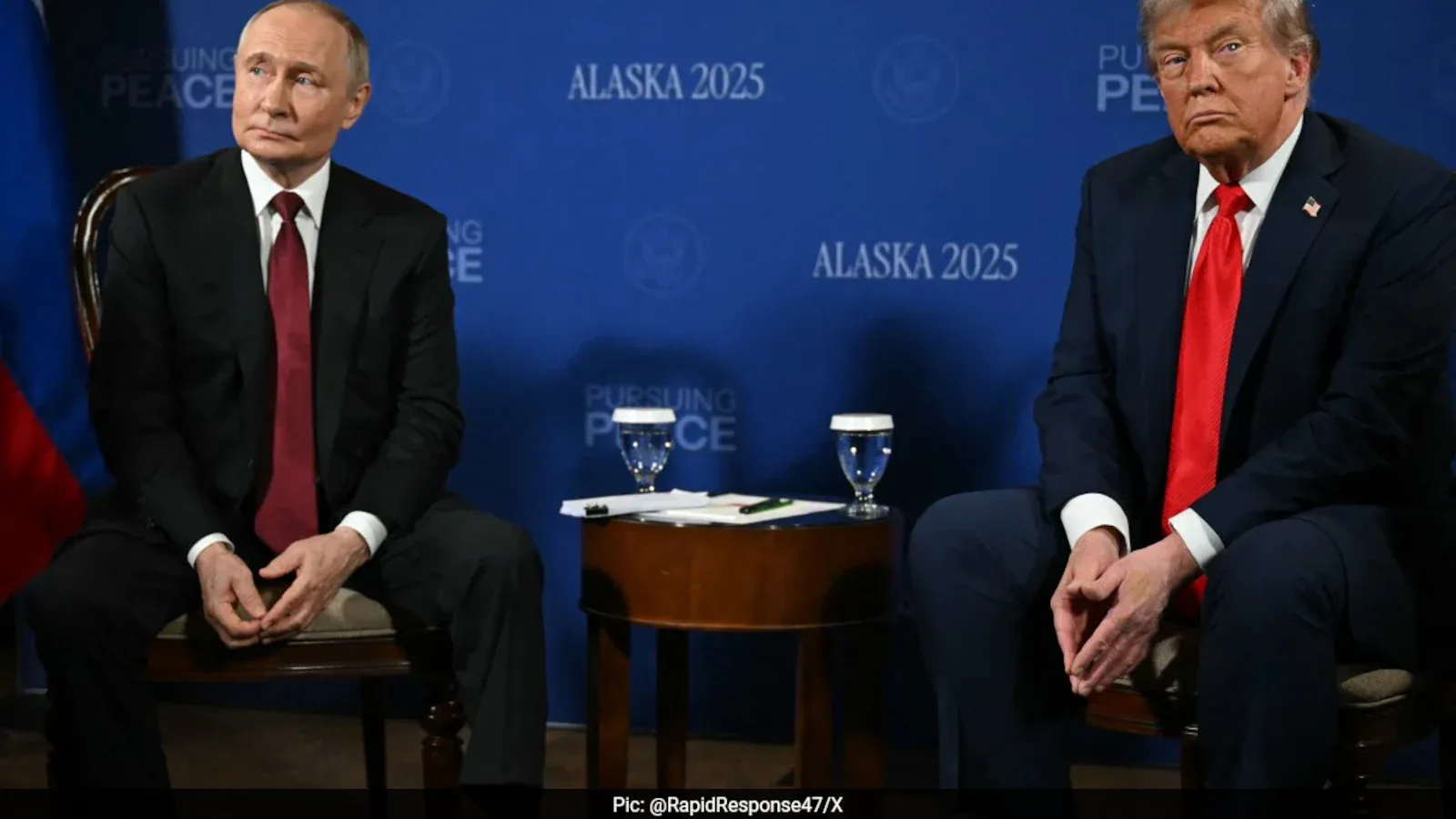
Trump announces a deal for Russia to supply over 300,000 tons of diesel fuel.
Zelensky criticizes the agreement as 'unworthy' and 'weak'.
US diesel prices have surged significantly amid ongoing geopolitical tensions.
In a notable shift in policy, US President Donald Trump announced on Friday that he has secured an agreement with Russia for a substantial release of diesel fuel. This decision comes as part of an effort to alleviate rising energy costs ahead of the upcoming midterm elections, where the Republican Party faces potential losses in Congress due to voter dissatisfaction with the cost of living.
The backdrop to this agreement is the series of sanctions imposed on Russia following its invasion of Ukraine in 2022. President Volodymyr Zelensky of Ukraine condemned Trump's actions, labeling them as 'unworthy' and indicative of weakness. The deal is particularly significant as it arrives just weeks before crucial elections, highlighting the political pressures Trump faces domestically.
According to Trump, Russia will supply more than 300,000 tons of diesel fuel to both the American and global markets. He further stated that an additional 500,000 tons would be delivered in November, followed by a promise of one million tons in subsequent months. The US Treasury has issued a temporary license to facilitate this flow of Russian diesel through April 2027. Trump's social media post emphasized that lowering fuel prices for American farmers and truckers is a top priority.
The implications of this deal extend beyond immediate fuel supply. The average price of gasoline in the US has surged by over 46% since late February, while diesel prices have skyrocketed by 67%. This spike is largely attributed to geopolitical tensions, including conflicts involving Iran and Ukraine. As negotiations continue between US and Ukrainian officials in Miami, the urgency for a resolution to the ongoing conflict grows, especially with winter approaching and the potential for increased hostilities.
Looking ahead, the Miami discussions aim to explore security guarantees and long-term arrangements for Ukraine and Europe to prevent future conflicts. The presence of officials from Britain, France, and Germany, along with NATO and EU representatives, underscores the international dimension of the negotiations. However, the path to peace remains fraught with challenges, particularly regarding Russia's territorial ambitions in Ukraine, which Zelensky has firmly rejected, emphasizing the need to maintain Ukrainian sovereignty.