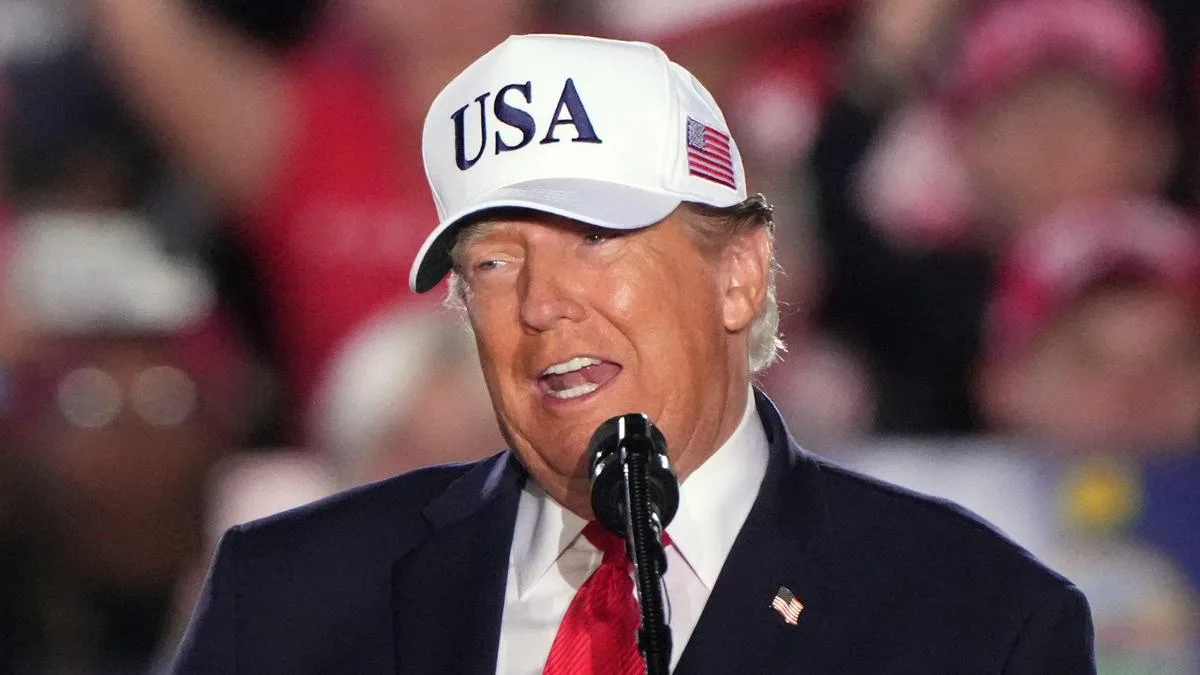
Trump's Midterm Setback: Democrats Gain Control of Congress
In a significant shift, Democrats secure both the House and Senate, raising questions about Trump's future influence.

Democrats have gained control of both the House and Senate, marking a major setback for Trump.
Trump's legislative agenda faces significant hurdles as the Democrats prepare to block key initiatives.
Despite losing Congress, Trump remains a potent figure in American politics with potential for future influence.
In a dramatic turn of events, the recent midterm elections have resulted in Democrats seizing control of both the House of Representatives and the Senate, effectively limiting President Donald Trump's legislative power. With the Democrats projected to hold 54 seats in the Senate and a majority in the House, Trump's agenda is now at risk of being stalled in a political gridlock.
Historically, midterm elections often serve as a referendum on the sitting president, and the results this year align with predictions made by analysts. Trump, who previously enjoyed a Republican majority in Congress, now faces a landscape where Democrats can block legislation, reject nominees, and investigate his administration. This shift is reminiscent of the 2006 midterms when George W. Bush lost both chambers of Congress.
The electoral results indicate a significant Democratic wave, with victories in key states such as Texas, where James Talarico became the first Democrat to win a Senate seat since 1988. Additionally, Democrats flipped several House districts and governorships in traditionally Republican strongholds. The implications of these victories extend beyond mere numbers; they signal a shift in voter sentiment driven by issues like high living costs and ongoing concerns over foreign conflicts.
As Democrats prepare to take control in January 2027, they will have the power to challenge Trump's policies, particularly in areas such as foreign affairs and domestic spending. However, while they can investigate and delay legislation, they cannot fully govern without bipartisan support. Trump's ability to veto legislation remains a significant barrier, and he continues to wield considerable influence over his party and the electorate.
Looking ahead, the next two years will be crucial for both Trump and the Democrats. With the 2024 presidential election on the horizon, how Trump navigates this new political landscape will be pivotal. The upcoming congressional sessions will likely see intense negotiations and potential conflicts as both parties vie for control over the narrative and policy direction in the United States.