U.S. Midterm Elections: Trade Deal Talks with India Accelerate
The recent U.S. midterm elections may expedite trade negotiations with India while raising the likelihood of increased tariffs.
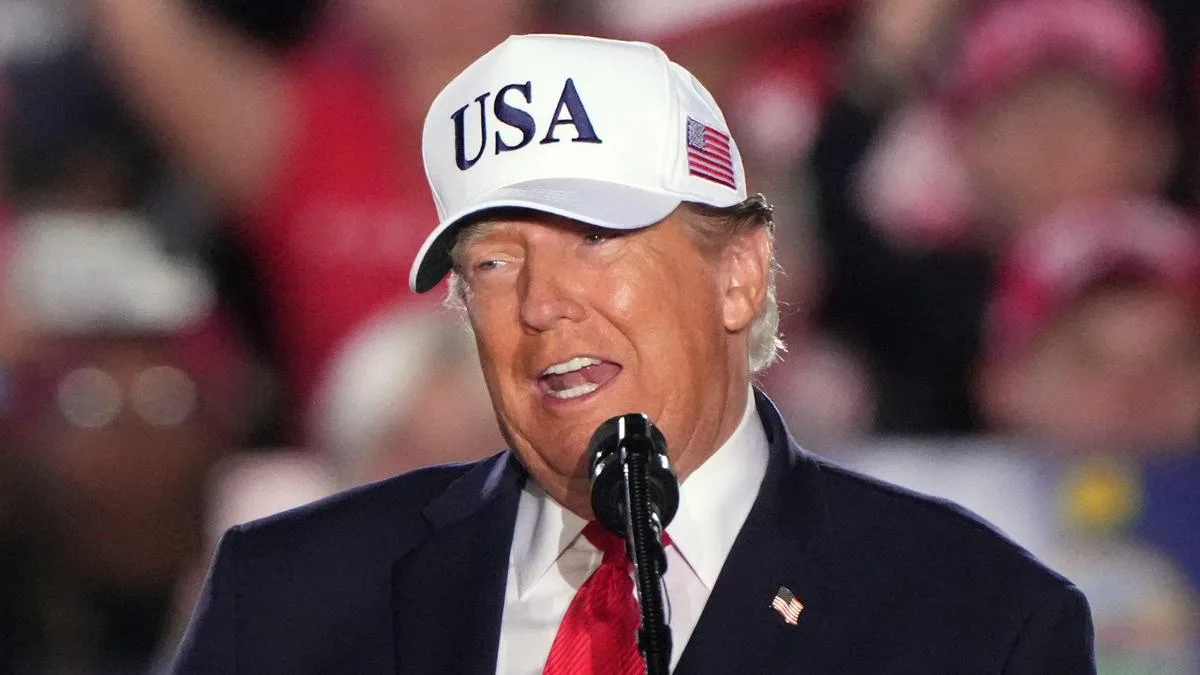
Democrats' control of Congress could push for a swift trade deal with India.
Higher tariffs on India are possible as leverage during negotiations.
U.S. President Trump may utilize executive powers to expedite trade discussions.
The outcome of the U.S. midterm elections has resulted in the Democrats gaining control of both the Senate and the House of Representatives, which is expected to accelerate trade negotiations between the United States and India. Experts suggest that while this shift may lead to a quicker resolution on a trade deal, it could also result in increased tariffs on Indian imports until an agreement is finalized.
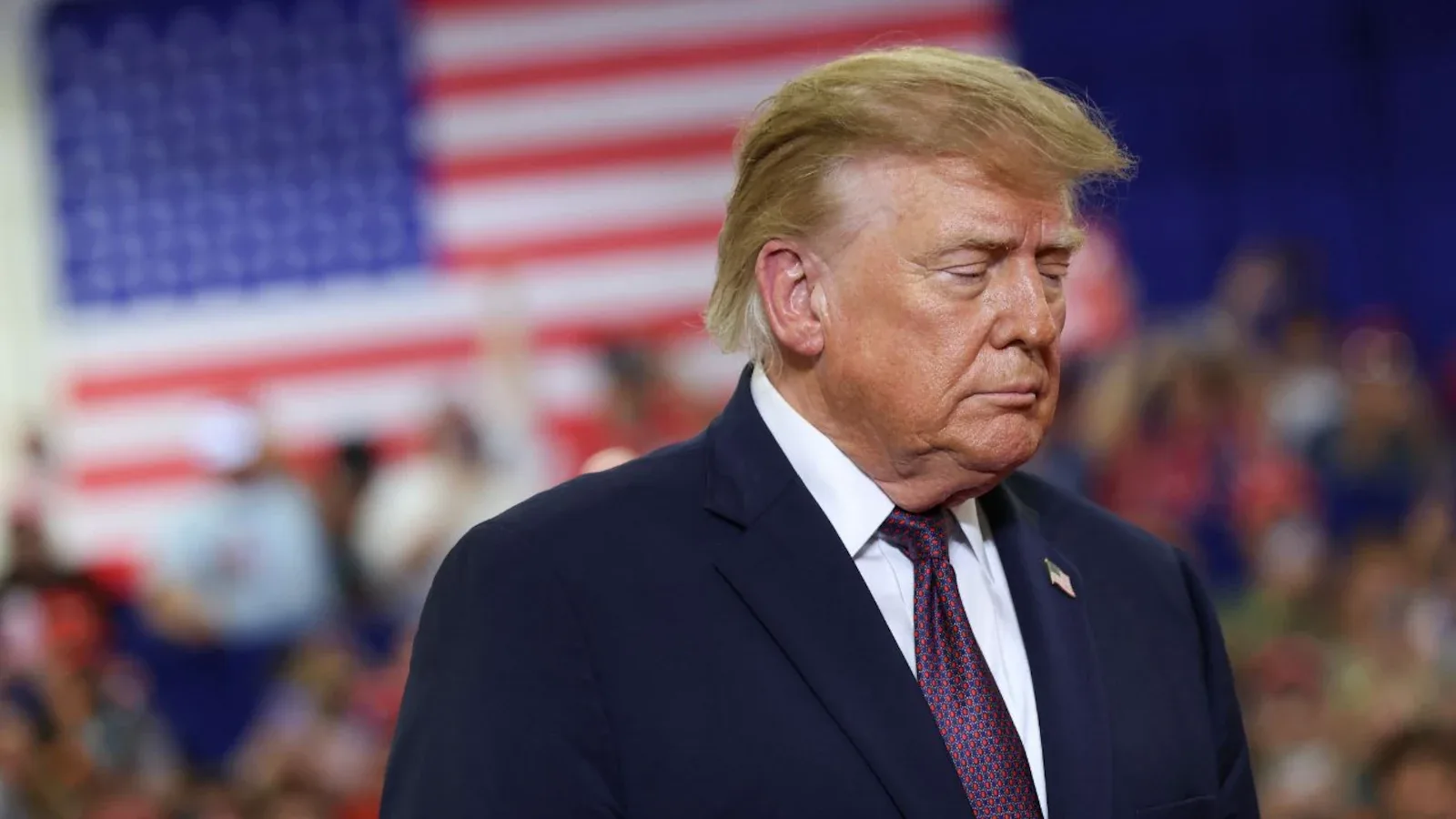
Historically, trade relations between the U.S. and India have been complex, with both nations seeking to enhance economic ties. The recent election results present a unique opportunity for U.S. President Donald Trump to demonstrate domestic strength by pushing for a swift trade agreement. However, this may come at the cost of imposing higher tariffs on Indian goods as a negotiating tactic.
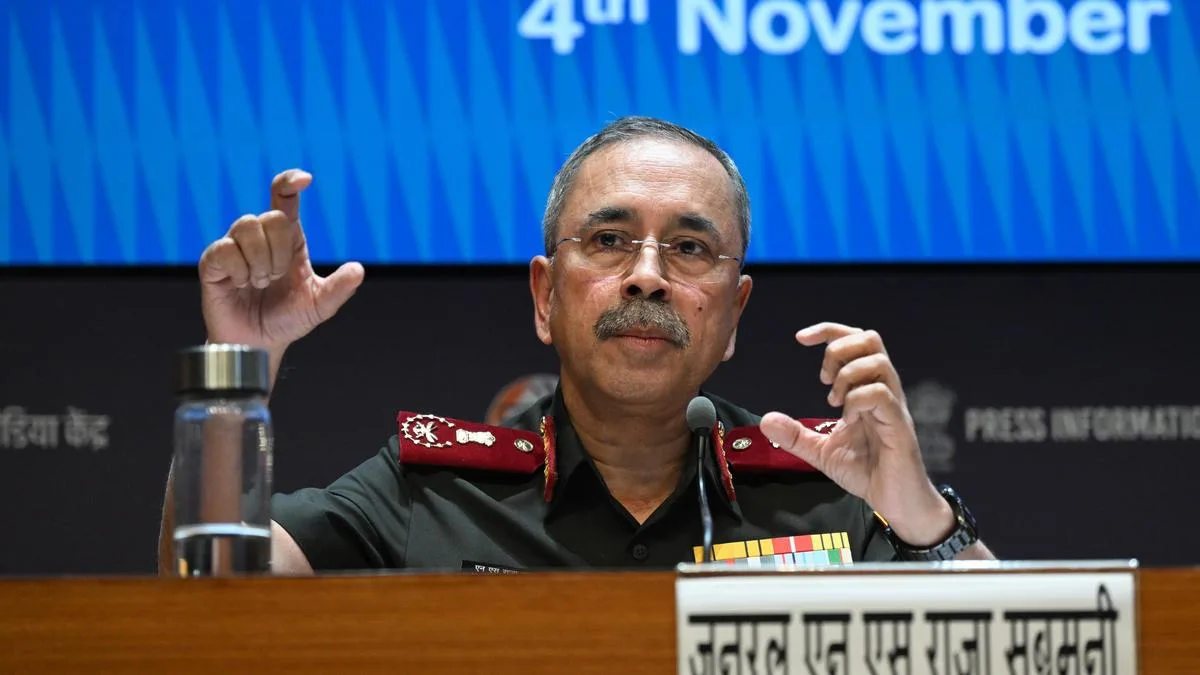
Ajay Srivastava, founder of the Global Trade Research Initiative, indicated that Trump might resort to his executive powers to apply pressure on India for a favorable trade deal. With challenges in foreign policy against nations like Russia and China, Trump is likely to seek a quick win through trade negotiations. Indian officials, on the other hand, are expected to leverage this situation to secure advantageous terms in the deal.
The implications of the midterm elections could complicate Trump's ability to garner support for his policies. Deep Pal from the Koan Advisory Group noted that the administration must now focus on achieving domestic wins to satisfy core Republican voters. Nevertheless, Indian negotiators may view the new political landscape in the U.S. as an opportunity to break the current deadlock and initiate productive discussions.
Looking ahead, the U.S. has already implemented various tariffs on India and is equipped to impose additional ones. The Lindsey O. Graham Sanctioning Act of 2026, which allows for tariffs on countries importing significant amounts of Russian oil, has bipartisan support and could be leveraged by Trump. Furthermore, ongoing investigations under Section 301 of the U.S. Trade Act may lead to additional tariffs based on findings regarding forced labor practices. As negotiations progress, the trade landscape between the U.S. and India remains uncertain, with potential for both increased tariffs and a swift trade deal.