Trump Identifies Remaining Targets in Iran Amid Khamenei's Threats
President Trump claims the U.S. can strike one or two remaining targets in Iran quickly, as Mojtaba Khamenei warns of immediate retaliation.
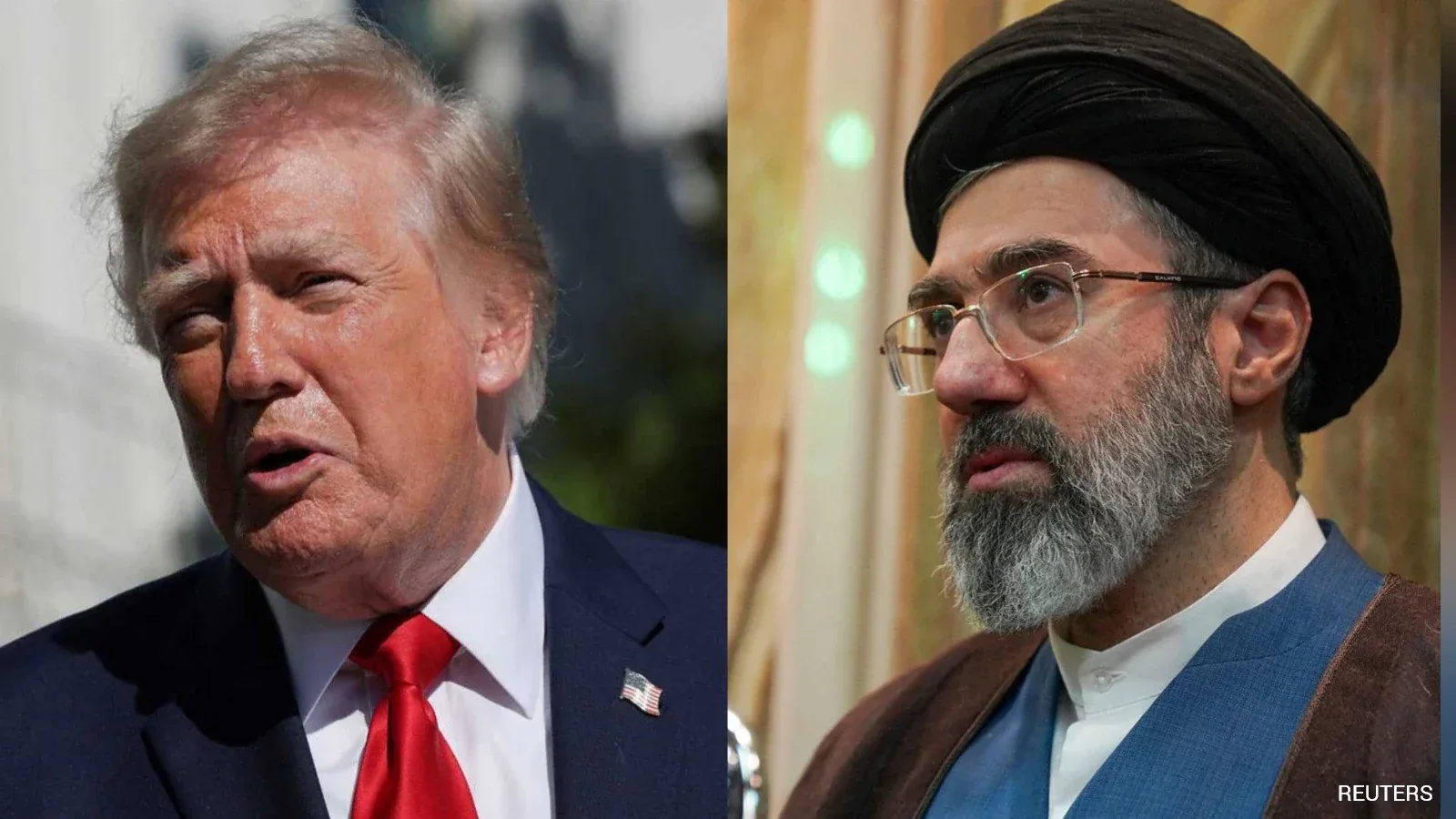
Trump states the U.S. has one or two targets left in Iran, which can be struck in ten minutes.
Mojtaba Khamenei emphasizes that any threat to Iran will be met with an immediate response.
Tensions escalate as Trump hints at possible military action following the U.S. midterm elections.
In a recent statement, President Donald Trump revealed that the United States has identified one or two remaining targets in Iran that could be struck swiftly. Speaking from his residence in Florida, Trump asserted that these sites could be neutralized within ten minutes, referencing Pickaxe Mountain, a location associated with Iran's nuclear ambitions. His comments come amid rising tensions between the U.S. and Iran, particularly following the assassination of Iran's former supreme leader, Ali Khamenei, earlier this year.
The backdrop to Trump's remarks involves a significant escalation in hostilities between the U.S. and Iran, which began with joint strikes by the U.S. and Israel on February 28, resulting in the death of Khamenei and other high-ranking military officials. This led to retaliatory actions from Tehran, including attacks on American bases and the closure of the Strait of Hormuz, a crucial maritime route for global oil supply. The conflict has since evolved, with both nations engaging in military posturing and diplomatic negotiations.
Mojtaba Khamenei, who succeeded his father, has warned that any threats to Iran will trigger an immediate and impactful response. He directed military leaders to update their target lists to include assets belonging to the U.S. and Israel, signaling a readiness for potential conflict. This meeting marked Khamenei's first public engagement since taking leadership, underscoring the urgency of the situation.
The implications of Trump's statements and Khamenei's warnings extend beyond bilateral relations, affecting regional stability and global oil markets. The U.S. has reportedly advised Gulf Arab nations to prepare for a possible military campaign against Iran, particularly following the upcoming midterm elections. This raises concerns about a broader military confrontation that could disrupt energy supplies and escalate tensions in the Middle East.
Looking ahead, the situation remains fluid as Trump has hinted at potential military actions, including a possible operation dubbed 'Epic Fury.' With the midterm elections approaching, the international community is closely monitoring developments, as any decision to engage militarily could have significant repercussions for both U.S. foreign policy and regional dynamics.