Delhi Implements Strict Vehicle and Construction Restrictions from November 1, 2026
The Delhi government enforces a ban on non-BS-VI vehicles and construction activities to combat winter air pollution starting November 1, 2026.
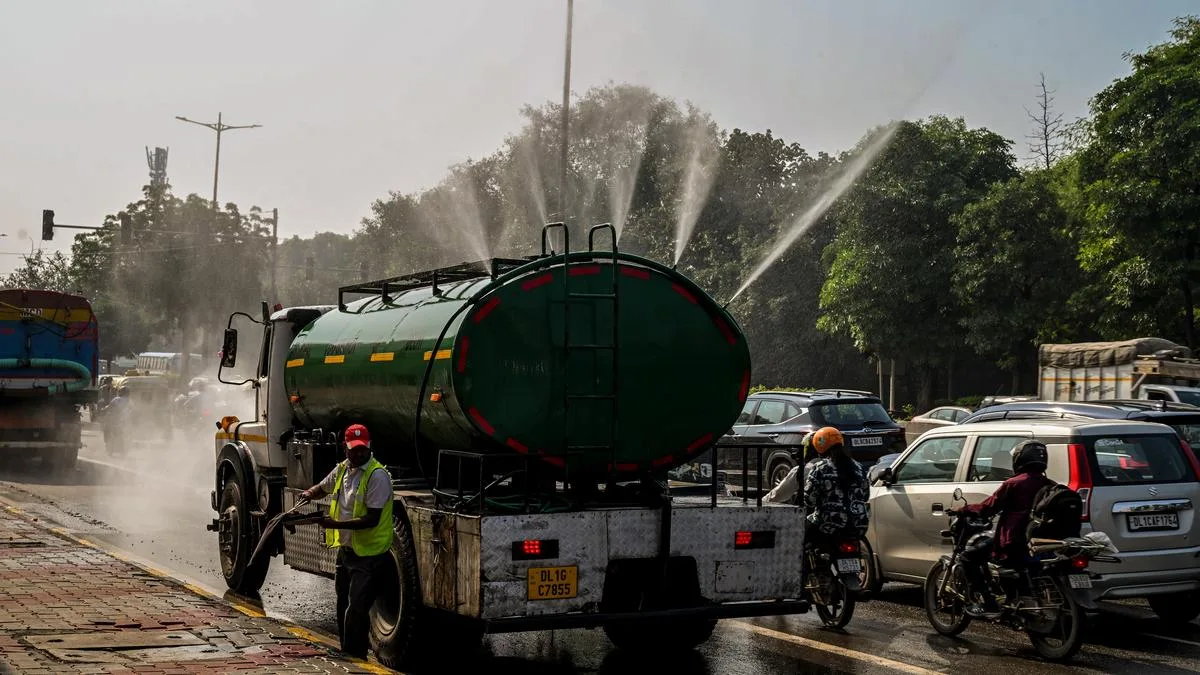
Non-Delhi-registered vehicles below BS-VI emission norms banned from November 1, 2026.
Mandatory 50% work-from-home policy for government and private offices.
Parking charges at authorized sites will double to discourage private vehicle use.
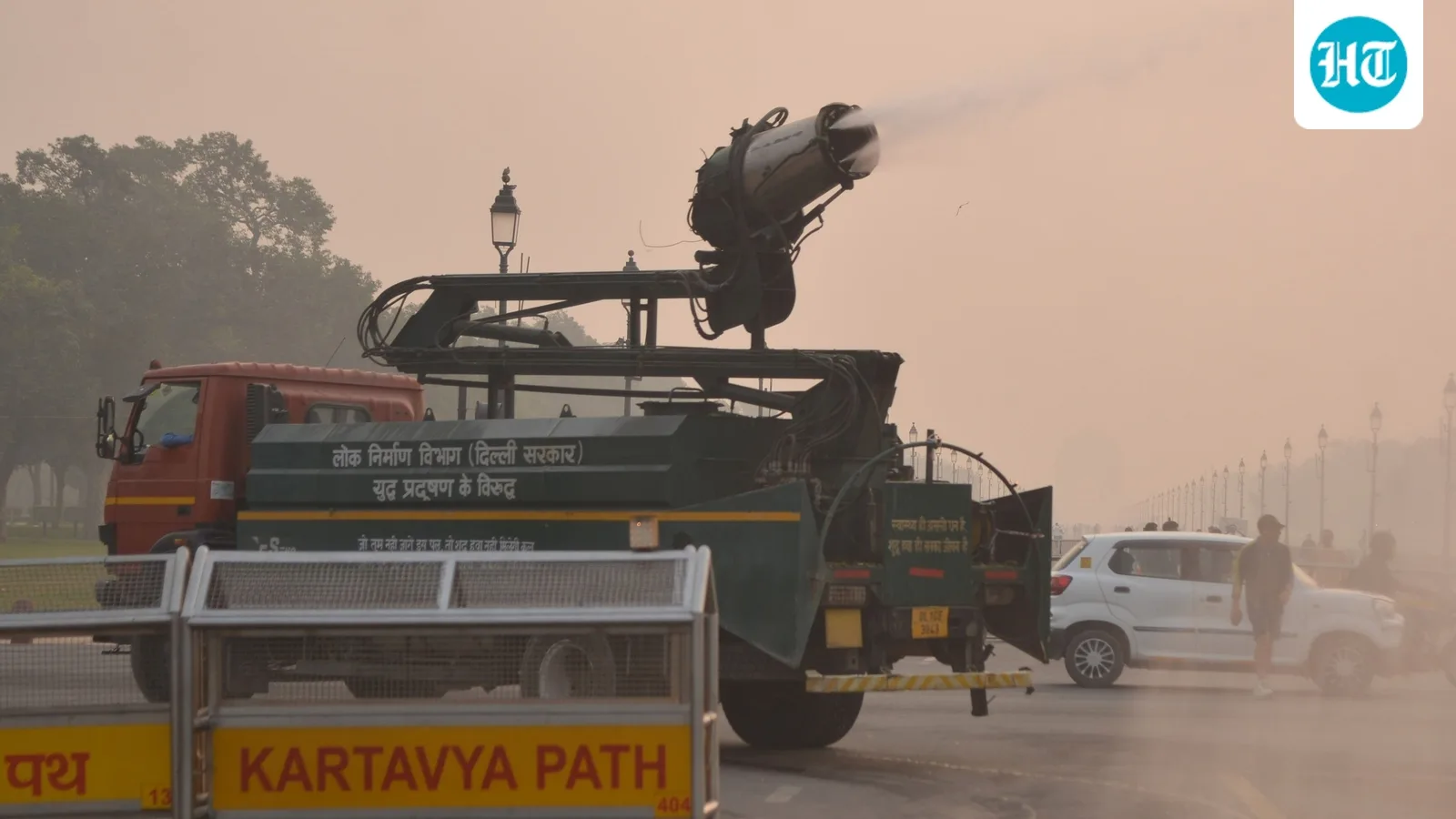
Starting November 1, 2026, the Delhi government will enforce stringent measures to address air pollution during the winter months. This includes a prohibition on non-Delhi-registered vehicles that do not meet BS-VI emission standards, alongside a ban on dust-generating construction and demolition activities. These measures are part of a broader initiative aimed at reducing pollution levels in the capital, particularly during the peak pollution season.
The restrictions, which will remain in effect until January 31, 2027, are outlined in a gazette notification issued on June 23, 2026. In addition to the vehicle ban, the government has mandated a 50% work-from-home policy for both public and private sector employees. To further discourage the use of private vehicles, parking fees at authorized locations will be doubled, with this increase lasting until February 28, 2027.
Environment Minister Manjinder Singh Sirsa indicated that while strict enforcement will begin, there may be some leniency until the festival of Deepavali. He emphasized that the focus will initially be on monitoring the borders to prevent the entry of non-compliant vehicles. Special enforcement teams will be deployed, and advanced monitoring systems will be utilized to ensure compliance with the new regulations.
Certain exemptions have been included in the restrictions. Vehicles powered by electricity or CNG, as well as those used for emergency services, are not subject to the vehicle ban. Additionally, essential public infrastructure projects will be allowed to continue construction and demolition activities, provided they adhere to strict dust control measures. Government offices will also maintain regular attendance for essential staff, while parking fees at Delhi Metro facilities will remain unchanged.
These measures are described as 'special restrictions' by the Chief Minister’s Office, marking a departure from the usual Graded Response Action Plan (GRAP) that is activated based on real-time air quality assessments. Unlike GRAP, which can be lifted when air quality improves, these fixed-term restrictions will remain in place regardless of pollution levels, reflecting a proactive approach to managing air quality in Delhi.