Trump Discusses White House Ballroom Amid Midterm Loss Fallout
In his first public address following the midterm elections, Donald Trump focused on his White House ballroom project while briefly addressing election results.
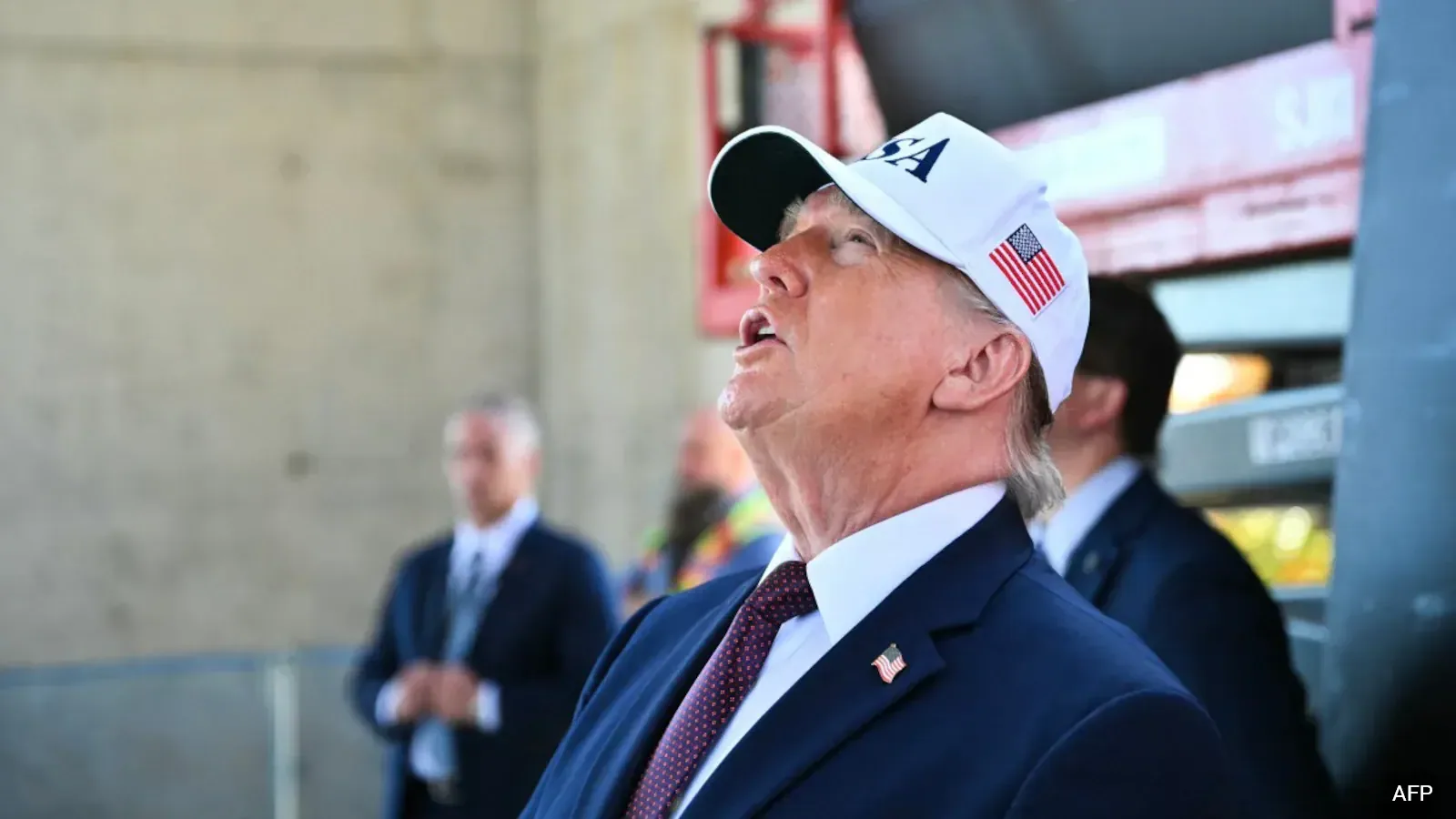
Trump's speech lasted over 41 minutes, primarily discussing his ballroom construction.
Democrats gained significant ground in the midterms, flipping seven Senate seats and winning 229 House seats.
Trump acknowledged the impact of the Iran war on the election results but expressed no regrets about his campaign.
The day after the midterm elections, where his party faced significant losses, Donald Trump made his first public appearance at the construction site of his White House ballroom. During a lengthy address on Wednesday, he spent over 41 minutes discussing the ballroom project, detailing architectural features and future plans. His comments were largely focused on the construction, only addressing the election results when prompted by reporters.
Historically, midterm elections have often been challenging for sitting presidents, and Trump's party was no exception this year. With Democrats flipping seven Senate seats and securing 229 House seats, they have gained a decisive majority, surpassing the 218 needed for control. Prior to the elections, Republicans held 218 House seats and 53 Senate seats, making this shift particularly notable.
In his remarks, Trump highlighted the construction of the ballroom, mentioning limestone columns and a state-of-the-art bunker beneath the structure, which he claimed would be the safest place in Washington. He expressed satisfaction with the progress of the project, stating it was ahead of schedule and on budget, and praised the workers involved. However, while he was enthusiastic about the ballroom, the backdrop of his speech was the stark reality of the election results.
The implications of the midterm elections are significant for Trump and the Republican Party, as they now face a Democratic-controlled Congress. Trump indicated he would work with Democrats unless they pursued destructive policies, asserting his ability to veto legislation. This shift in power could alter the political landscape and influence future legislative agendas.
Looking ahead, Trump did not express any regrets about his campaign strategy, despite acknowledging the impact of the Iran war on voter sentiment. He also refrained from speculating on potential candidates for the 2028 presidential election. As he concluded his speech, he encouraged reporters to focus on the construction progress, indicating that he remains committed to his projects amidst the political challenges ahead.