Trump Considers MOAB for Iran: Challenges Ahead
US President Donald Trump is contemplating the use of the MOAB against Iran, but experts warn it may not effectively target deeply buried nuclear facilities.
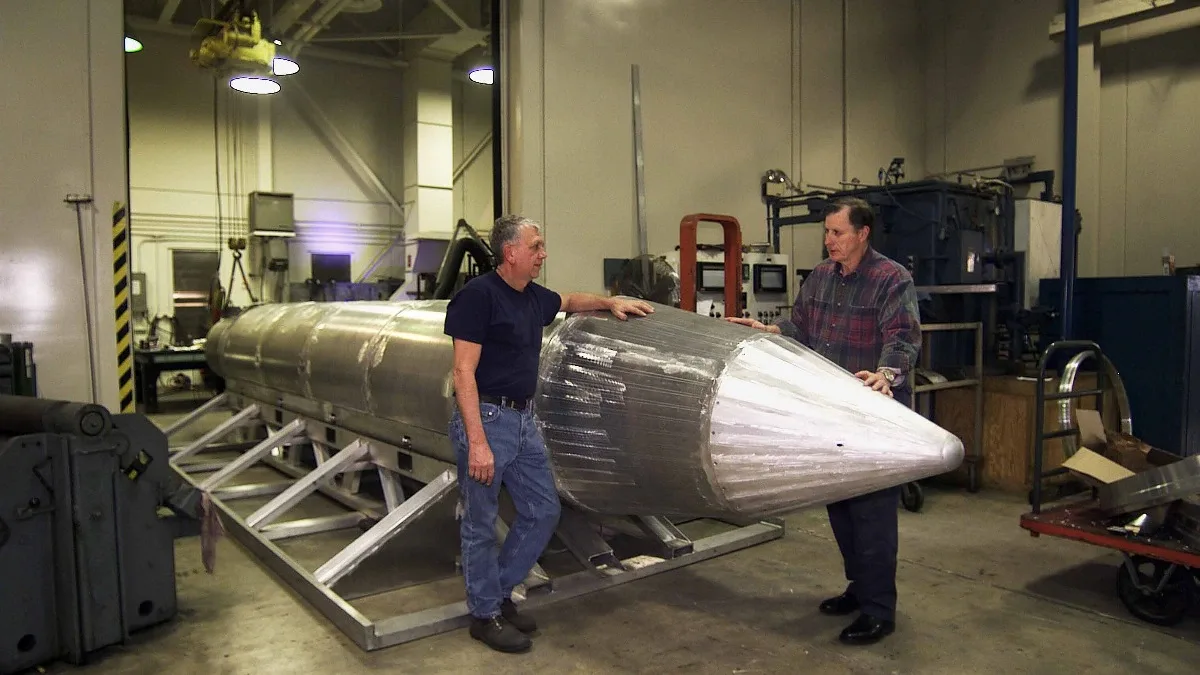
The MOAB, weighing 9,800 kg, is designed for surface destruction, not deep penetration.
Iran's Pickaxe Mountain, home to suspected nuclear facilities, is heavily fortified, complicating potential strikes.
Military experts suggest that aerial bombardment may not eliminate Iran's nuclear capabilities, necessitating a diplomatic approach.
US President Donald Trump is reportedly weighing the deployment of the GBU-43/B Massive Ordnance Air Blast (MOAB), known as the 'Mother of all Bombs', for potential strikes against Iran. This consideration comes amidst ongoing tensions and military actions against the Shia nation, particularly targeting its energy infrastructure and suspected nuclear sites, including the fortified Pickaxe Mountain complex. However, experts caution that the bomb's design may not effectively reach its intended targets buried deep within the mountain's rock layers.
The MOAB, developed by the US Air Force in 2003, weighs approximately 9,800 kilograms and is engineered to create a massive explosion over a wide area. Unlike conventional bombs that penetrate structures before detonating, the MOAB detonates above ground, generating a shockwave that can devastate surface targets but may leave underground facilities relatively intact. This limitation raises concerns about its effectiveness against Iran's nuclear infrastructure, particularly at Pickaxe Mountain, which is estimated to be protected by hundreds of feet of rock.
Military analysts emphasize that while the MOAB could produce a significant blast, it is not designed as a deep penetration weapon. Reports indicate that parts of the suspected nuclear facility at Pickaxe Mountain could be buried as deep as 137 meters, making it a challenging target for aerial bombardment. The US military has previously utilized the MOAB in Afghanistan, but its success in that context does not guarantee similar outcomes against well-fortified targets like those in Iran.
The implications of a potential strike on Iran's nuclear facilities extend beyond military considerations. A successful attack might disrupt Iran's nuclear ambitions, but it could also lead to significant economic repercussions and civilian harm. Experts argue that military action alone may not suffice to address the nuclear threat posed by Iran, suggesting that a diplomatic resolution is necessary to ensure long-term stability in the region.
As the US military prepares for various strike options, including potential actions before the upcoming midterm elections, the effectiveness of the MOAB remains uncertain. The challenge for the Trump administration will be to balance military objectives with the risks of escalation and the need for a sustainable solution to Iran's nuclear program.