Supreme Court Orders Creation of National Database for Child Exploitation Material
The Supreme Court mandates the establishment of a national database to combat child sexual exploitation and abuse materials across platforms.
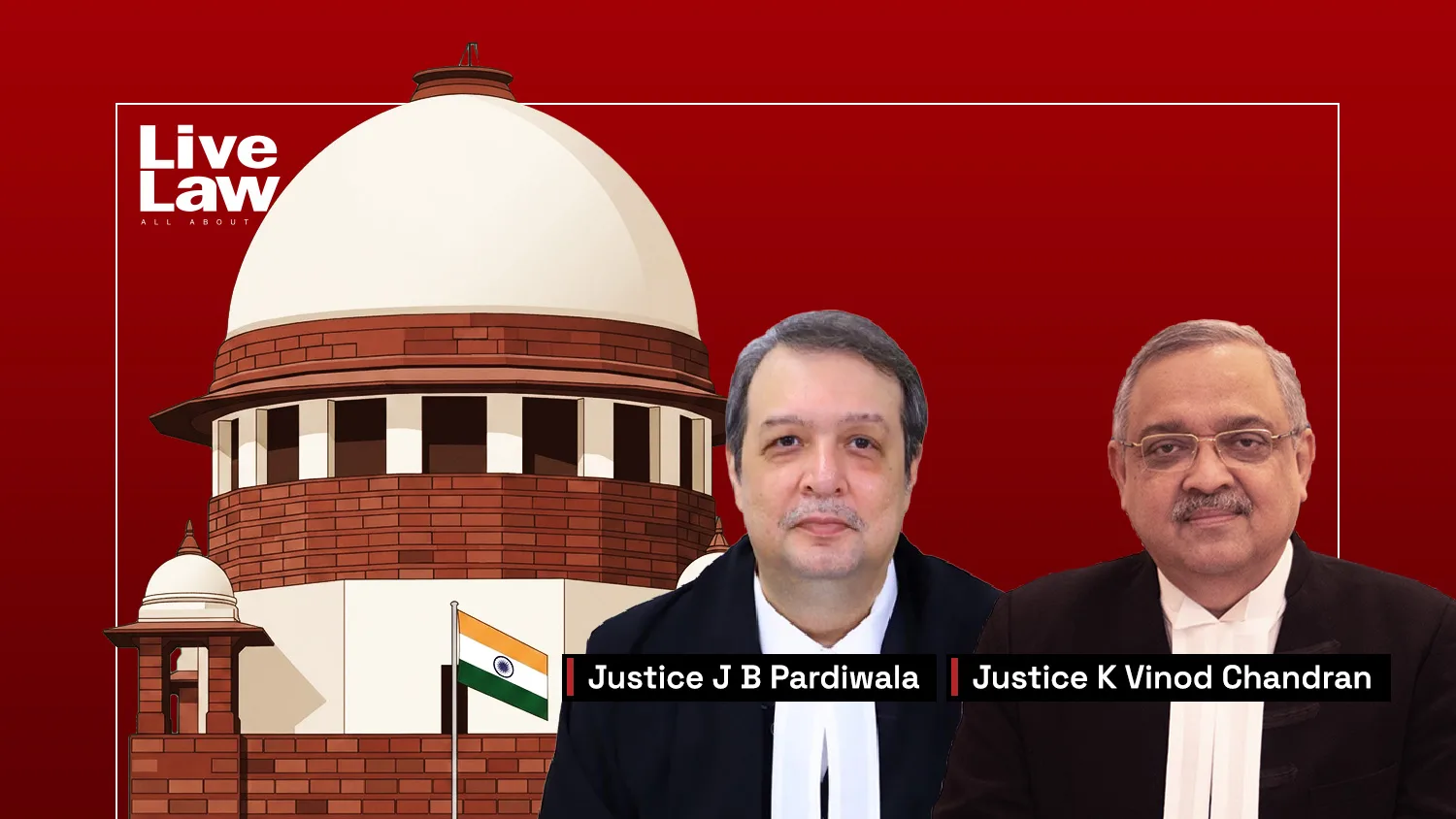
The Supreme Court has directed the Union Government to create a national database for child sexual exploitation material.
Social media intermediaries are required to report harmful content to law enforcement within specified timelines.
The Court emphasizes the need for digital safety education for children as part of the core curriculum.
In a significant ruling on October 17, 2026, the Supreme Court of India has mandated the creation of a national database aimed at combating child sexual exploitation and abuse materials (CSEAM). This directive comes in response to ongoing concerns regarding the persistence of such harmful content on the internet, despite previous orders aimed at curbing its spread. The Bench, comprising Justices JB Pardiwala and KV Chandran, emphasized the necessity for a coordinated approach among social media platforms to effectively identify and eliminate CSEAM.
The Court's decision highlights the inadequacies of the current mechanisms that rely heavily on individual reports of harmful content, which often leads to delays in removal and continued circulation of such material. The proposed national database will include unique hash identifiers and URLs of confirmed CSEAM, allowing platforms to cross-check content against a centralized repository. This initiative aims to streamline the detection and removal process, ensuring that once content is flagged on one platform, it can be swiftly addressed across others.
Additionally, the Supreme Court has set forth strict guidelines for social media intermediaries regarding their responsibilities in reporting CSEAM to law enforcement agencies. Intermediaries must now inform the Special Juvenile Police Unit or local police within two hours of removing harmful content, ensuring that authorities are promptly notified. The Court also mandated that intermediaries display grievance mechanisms prominently on their platforms, allowing users to report CSEAM easily and receive timely responses.
The ruling also raises the prospect of imposing penalties on platforms that fail to comply with these new regulations. The Court has urged the Union Government to consider a framework for imposing financial penalties based on the severity and frequency of non-compliance. Furthermore, the Court has called for rigorous scrutiny of subscription-based content to prevent the circulation of CSEAM through paywalled services.
Looking ahead, the Supreme Court has stressed the importance of digital safety education for children, advocating for its inclusion in the core educational curriculum. The Court has instructed the Union Government to collaborate with educational authorities to develop age-appropriate content that educates children about online safety, consent, and reporting mechanisms. The next hearing is scheduled for December 10, 2026, when the government is expected to report on the progress of these directives.