CJP Leader Abhijeet Dipke Granted Conditional Bail Amid Protests
Abhijeet Dipke's bail hearing faced delays as protests against the Chief Election Commissioner escalate across India.
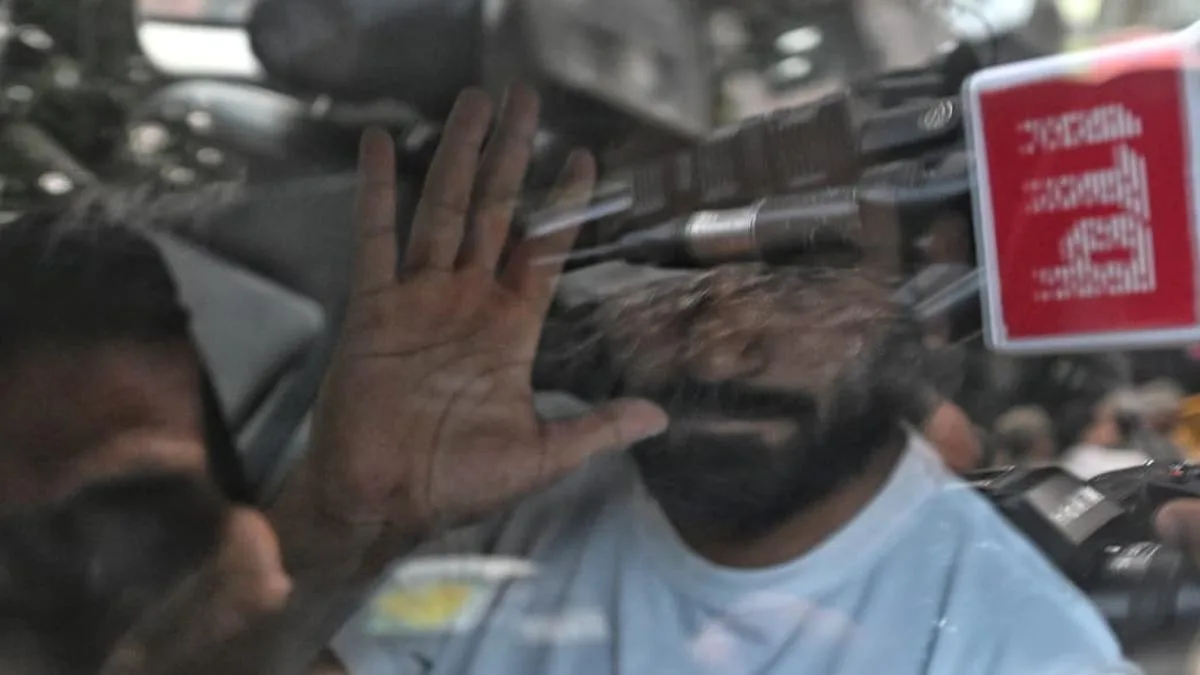
CJP leader Abhijeet Dipke has been granted conditional bail after his arrest during protests.
The Delhi Police registered multiple FIRs related to violence against protesters amid ongoing demonstrations.
U.S. lawmakers are urging action regarding India's handling of protests, highlighting international concern.
In a significant development, Abhijeet Dipke, a leader of the Cockroach Janta Party (CJP), was granted conditional bail on October 17, 2026, following his arrest during a protest in Connaught Place, New Delhi. His release came after he signed a bond, according to sources within the CJP. The protests, which have been gaining momentum, are primarily directed against the Chief Election Commissioner (CEC) Gyanesh Kumar and the Special Intensive Revision (SIR) of electoral rolls.
The backdrop of these protests includes allegations of electoral irregularities and the perceived suppression of dissent. Dipke's arrest occurred just before the 'Lehra Do Tiranga' march, which aimed to draw attention to these issues. CJP's legal head, Ratna Singh, criticized the judicial process, claiming that the hearing regarding Dipke's arrest was unduly delayed in the Special Executive Magistrate court. This delay has fueled further unrest among supporters and activists.
In addition to Dipke's case, the Delhi Police have taken action against multiple incidents of violence during the protests, registering at least ten FIRs related to assaults on demonstrators. These actions follow significant public pressure and media scrutiny, with activists demanding accountability for alleged attacks by right-wing groups. The police are currently reviewing CCTV footage to identify those involved in these incidents, underscoring the ongoing tensions surrounding the protests.
The implications of these protests extend beyond Delhi, as various organizations and political figures across India have expressed solidarity with the demonstrators. Actor-activist Prakash Raj has vowed to continue peaceful protests despite police interventions, emphasizing the youth's role in advocating for change. Furthermore, U.S. lawmakers, including Pramila Jayapal and Ilhan Omar, have called on Secretary of State Marco Rubio to address the situation with Indian officials, highlighting international concerns over the handling of dissent in India.
Looking ahead, the protests are expected to escalate, with farmers' organizations planning to march to Delhi on October 23, demanding the resignation of the CEC. The political landscape remains charged as opposition parties continue to challenge the government's actions, framing the protests as a critical moment for democracy in India. As events unfold, the focus will remain on the government's response and the potential for further unrest in the coming weeks.