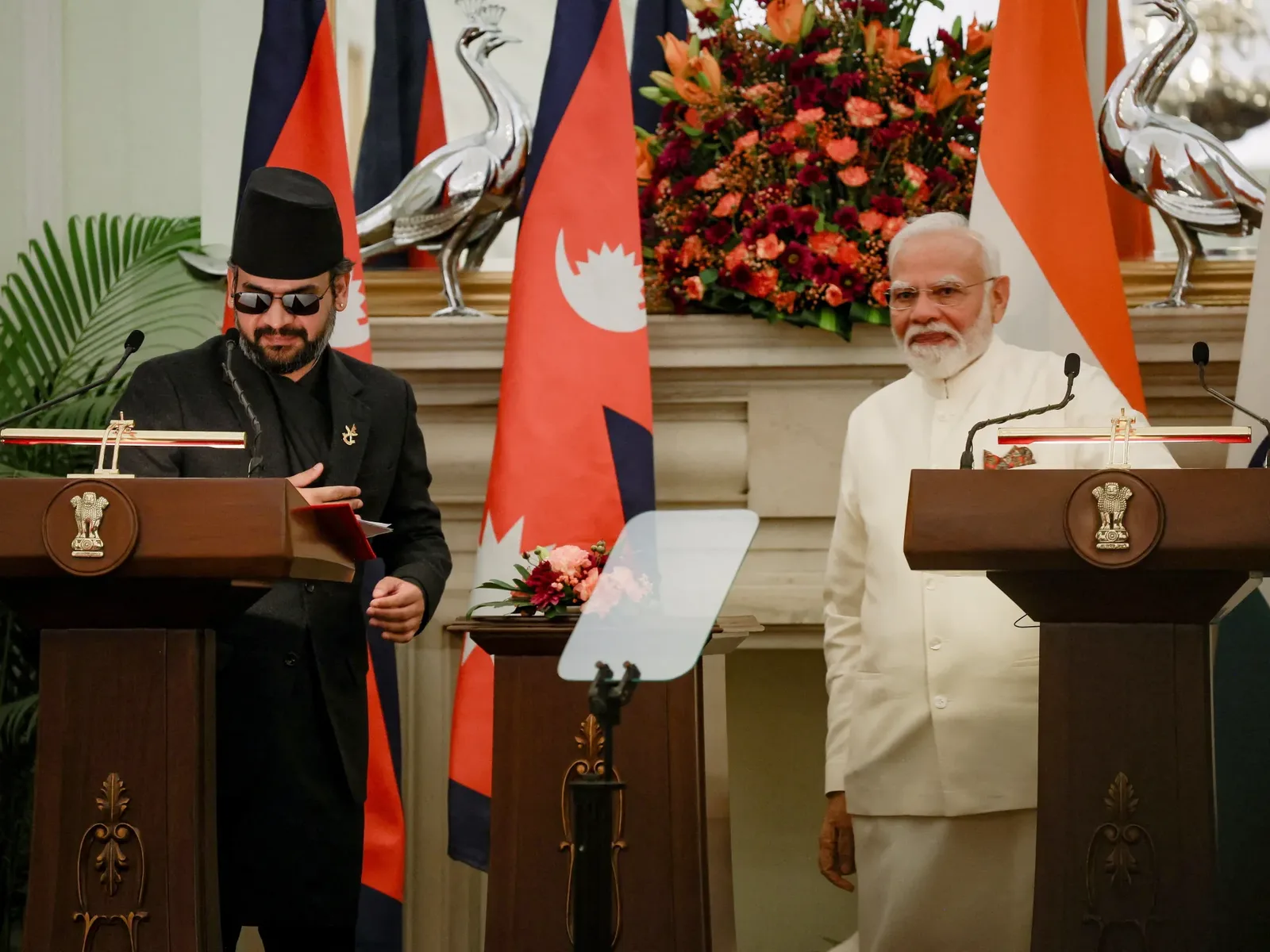
Trump Administration Plans Higher Tariffs on India and China
The U.S. is set to impose increased tariffs on several countries, including India and China, amid ongoing trade investigations.
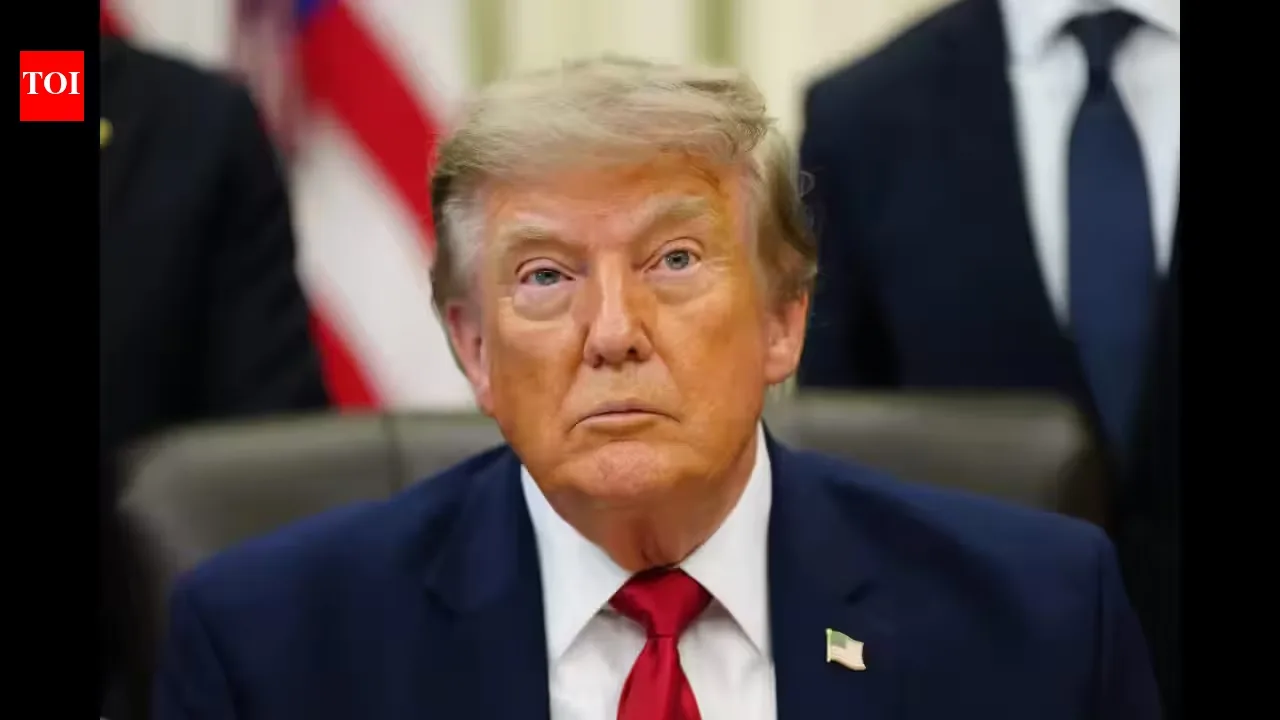
Higher tariffs are anticipated on countries accused of disadvantaging U.S. businesses.
China is expected to face the steepest tariffs due to widespread subsidies.
The announcement may coincide with ongoing trade negotiations between the U.S. and India.
The Trump administration is reportedly preparing to impose increased tariffs on a range of countries, notably including India and China, as outlined in a recent report by The Wall Street Journal. This decision stems from accusations that these nations have been providing domestic industrial support that undermines U.S. businesses. Sources indicate that U.S. Trade Representative Jamieson Greer is expected to unveil the results of a lengthy investigation into industrial subsidies from China, the European Union, and 14 other nations within the week, although the timing may be subject to change.
The rationale behind the proposed tariffs is rooted in claims that government subsidies in these countries have led to excess industrial capacity, allowing their companies to sell goods at lower prices globally, thereby disadvantaging American manufacturers. The upcoming announcement is anticipated to affect numerous countries, including Japan, South Korea, and all EU member states, with tariffs likely applying to a wide array of exported goods. However, certain products, such as steel and automobiles, may be exempt due to existing tariffs under national security provisions.
While specific tariff rates have yet to be finalized, officials suggest they could mirror those introduced by Trump in 2025, prior to a Supreme Court ruling that invalidated earlier tariffs in February 2026. Countries that previously negotiated trade agreements with the Trump administration, such as Japan and the EU, are expected to see their tariff rates reflect those agreements, potentially limiting their rates to 15% or less. In contrast, nations like Vietnam and India may face higher tariffs depending on their individual agreements.
The implications of these proposed tariffs are significant, particularly for China, which is expected to incur the highest rates due to its extensive subsidy practices. Officials have expressed concerns that these subsidies disrupt the global economy. Furthermore, there are considerations for provisions that would allow for tariff increases on specific countries if their industrial capacity grows or if they do not implement necessary policy changes in future negotiations with the U.S.
As the administration prepares for this announcement, it may also divert attention from ongoing controversies surrounding Nvidia's CEO and allegations regarding the smuggling of advanced AI chips into China. This situation has raised questions among lawmakers about the administration's strategy towards Beijing, highlighting the complexities of U.S.-China relations amidst evolving trade policies.