Trump Acknowledges Iran War's Impact on Midterms, Stands Firm on Military Action
Donald Trump admits the Iran conflict contributed to Republican losses in the midterms but maintains he would act similarly again to curb Tehran's nuclear ambitions.
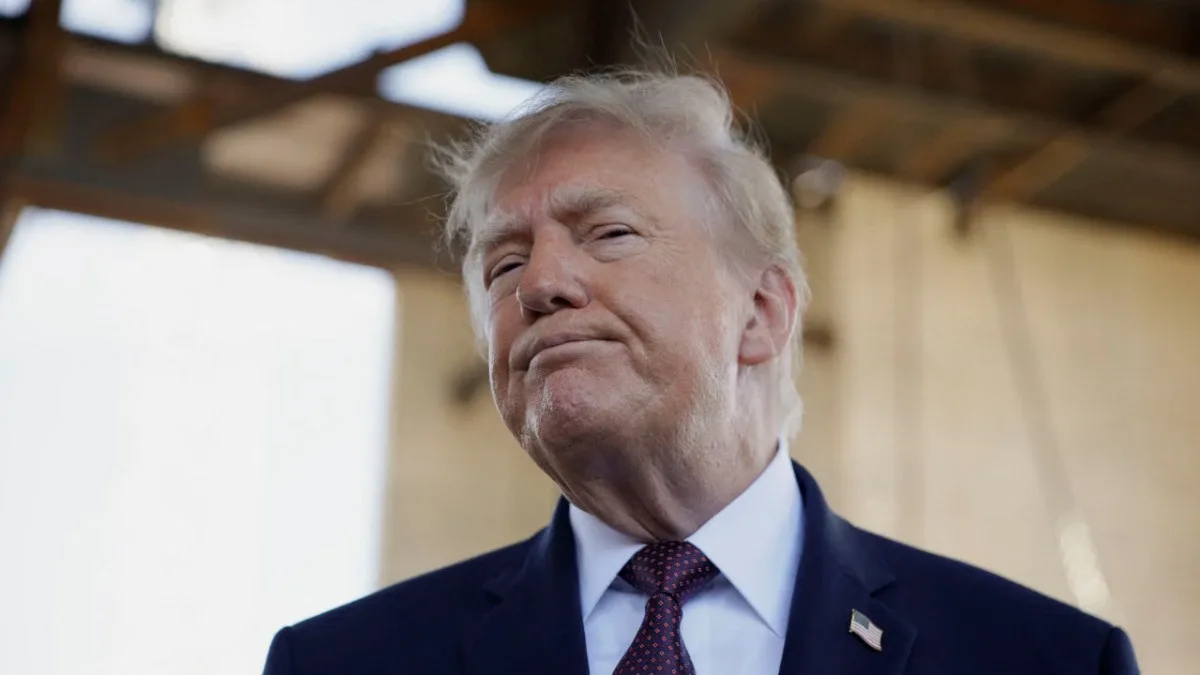
Trump recognizes the Iran war's role in rising petrol prices affecting midterm election outcomes.
Vice-President JD Vance blames the Iran conflict for the Republican Party's electoral defeat.
Concerns over Iran's nuclear program remain central to Trump's justification for military action.
In a recent statement, former President Donald Trump acknowledged that the military conflict with Iran played a significant role in the Republican Party's disappointing performance during the midterm elections. He noted that the war contributed to rising petrol prices, which added financial strain on American households. Despite this admission, Trump asserted that he would not hesitate to initiate similar military actions again, emphasizing the need to prevent Iran from acquiring nuclear weapons.
The backdrop of Trump's remarks highlights the growing challenges faced by his administration regarding the Iran conflict. The economic repercussions of the war have been felt across the United States, particularly as rising fuel costs have become a pressing issue for voters concerned about inflation. The conflict has disrupted energy supplies and raised concerns about shipping routes through the Strait of Hormuz, a critical passage for global oil trade.
Trump's comments come on the heels of Vice-President JD Vance's identification of the Iran war as a key factor in the Republican Party's electoral losses. Vance pointed out that many voters who had previously supported Trump shifted their allegiance to Democrats, citing dissatisfaction with the war and rising living costs as primary reasons for their change in support. He highlighted that internal polling indicated a significant backlash against the party, driven by concerns over its commitment to domestic economic priorities.
The implications of the Iran conflict extend beyond the electoral landscape, affecting public sentiment and energy markets. As petrol prices continue to rise, American voters express frustration over the administration's handling of economic issues, particularly in light of Trump's 'America First' agenda. The situation poses a challenge for the Republican Party as it seeks to regain voter trust and address the pressing concerns of its constituents.
Looking ahead, the Republican Party faces critical decisions regarding its foreign policy stance and domestic priorities. With the midterm elections behind them, party leaders must navigate the complexities of voter sentiment while addressing the ongoing challenges posed by Iran's nuclear ambitions. The upcoming political landscape will likely be shaped by how effectively the party responds to these pressing issues and whether it can realign its strategies to resonate with the electorate.