Tokyo Endures 35 Days of Rain Amidst El Nino's Global Effects
El Nino's influence is evident as Tokyo faces unprecedented rainfall while Chile's Atacama Desert blooms spectacularly.
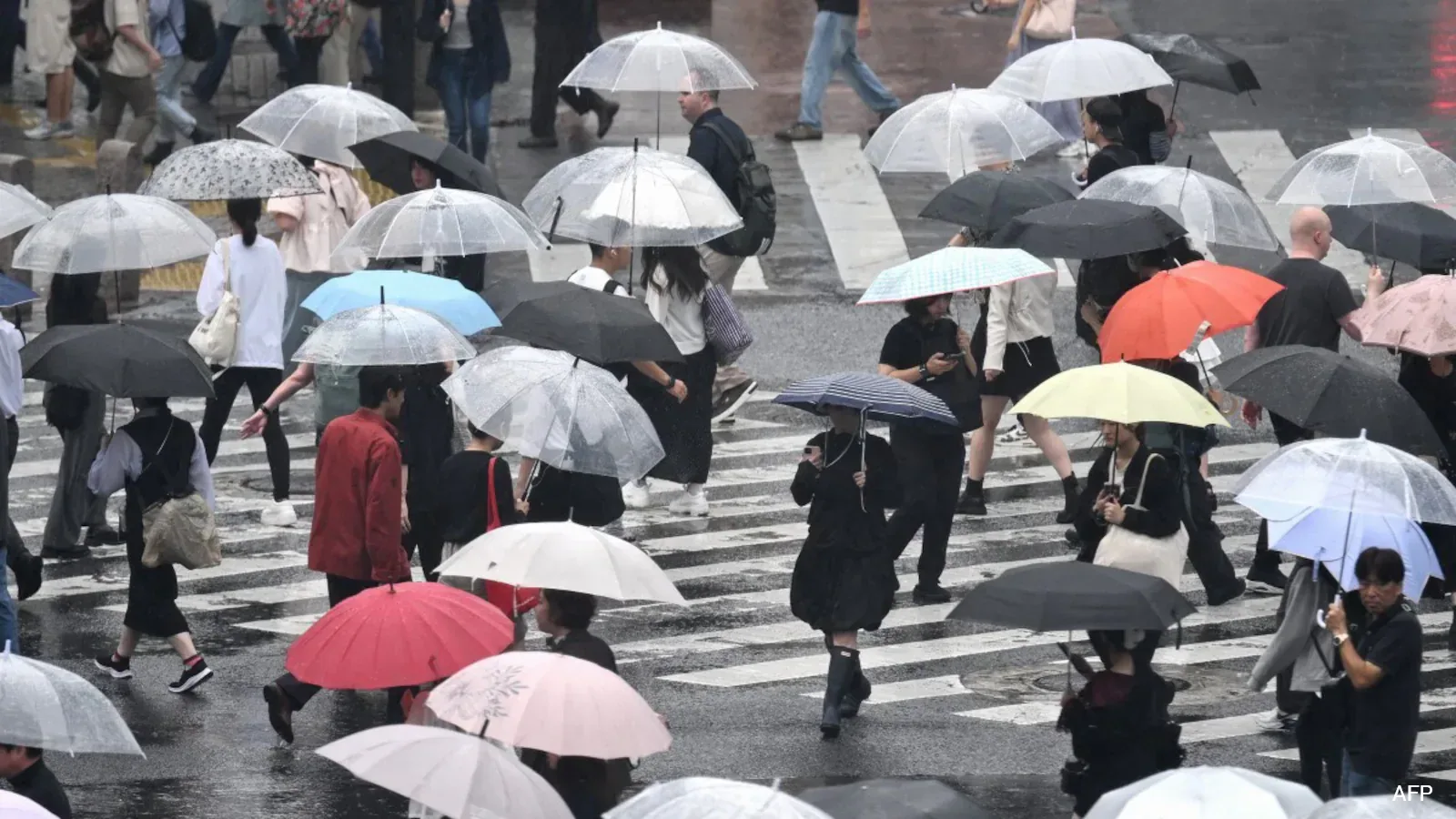
Tokyo recorded 35 consecutive days of rain, the longest streak since 1886.
Chile's Atacama Desert experienced heavy rainfall leading to a rare bloom of flowers.
The World Meteorological Organization warns of record sea-surface temperatures due to El Nino.
Tokyo has faced an extraordinary weather event, enduring 35 consecutive days of rain, marking the longest such period since 1886. This unusual weather pattern is attributed to the ongoing El Nino phenomenon, which is intensifying and expected to peak in December. The effects of El Nino are being felt globally, with contrasting weather extremes observed in various regions.
Historically, El Nino, which means 'little boy' in Spanish, was first noted by fishermen in South America in the 1600s. It is characterized by warmer ocean temperatures that disrupt normal weather patterns. In recent decades, the duration and intensity of El Nino events have increased, leading to significant impacts on global climate. This year, the phenomenon has intensified earlier than anticipated, causing both droughts and floods across different parts of the world.
In Chile, the Atacama Desert, known as one of the driest places on Earth, has seen an unusual bloom of flowers due to heavy rainfall in September. Reports indicate that around 200 species of flowers have blossomed, creating stunning landscapes that have attracted tourists. The rainfall recorded in some regions of Chile has reached levels not seen since the 1950s, with certain areas receiving over 180 millimeters of rain. This rare occurrence has been described by local biodiversity experts as unprecedented.
Meanwhile, Tokyo has been grappling with what has been termed 'rain fatigue' as the city experienced nearly three times the normal rainfall for September. The prolonged rain has not only affected daily life but has also led to increased vegetable prices and concerns over tourism. According to reports, central Tokyo had only 45.8 hours of sunshine during this period, making it one of the least sunny months on record.
Looking ahead, the World Meteorological Organization has issued warnings regarding record sea-surface temperatures expected between October and December. This El Nino event is projected to be one of the strongest since 1950 and is anticipated to persist until February 2027. As the world continues to monitor these developments, the implications for global weather patterns and local economies remain significant.