Supreme Court Addresses New Form 6 in Bihar SIR Case
The Supreme Court clarifies its stance on the new Form 6 for voter registration, stating it has not yet adjudicated its validity.
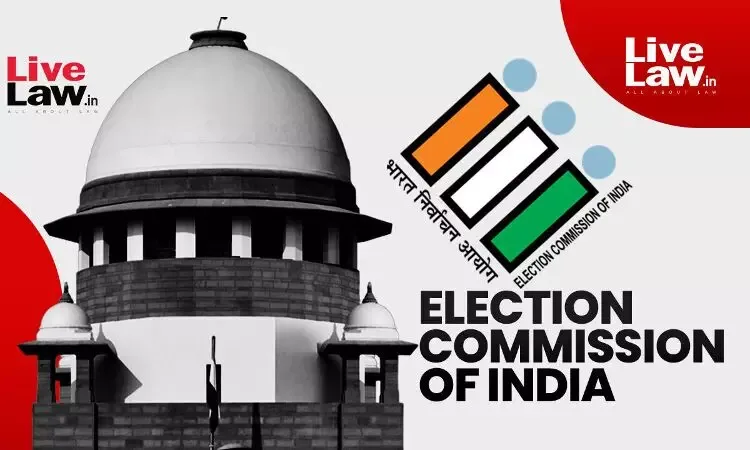
The Supreme Court has not approved or disapproved the new Form 6 for voter registration.
The new Form 6 was not in existence during the Bihar SIR judgment delivered in May 2026.
A writ petition challenges alleged unilateral decisions made by the Chief Election Commissioner regarding voter registration.
On October 12, 2026, the Supreme Court of India clarified that it has not yet made a determination regarding the new Form 6, which is intended for the registration of new voters. The court emphasized that the new form was not present when the Bihar SIR judgment was issued in May 2026, and thus, its validity has not been adjudicated. This clarification came during a hearing of a writ petition filed by Priya Mishra, which raised concerns about the Election Commission of India's (ECI) actions regarding the new form.
The Supreme Court bench, led by Chief Justice Surya Kant, along with Justices Joymalya Bagchi and V Mohana, noted that the Chief Justice's previous remarks were misinterpreted. The Chief Justice had indicated that the Bihar SIR judgment did not assess the new Form 6 since it was not in existence at that time. Advocate Narendra Mishra, representing the petitioner, pointed out that the ECI had claimed the Supreme Court approved the new form, which the court refuted, stating that there has been no adjudication on the matter.
The controversy surrounding the new Form 6 declaration arose after two Election Commissioners objected to its implementation, arguing that changes could not be made without amending the Registration of Electors Rules, 1960. Following reports that the ECI proceeded with the new form despite these objections, the ECI issued a press release asserting that the Supreme Court had upheld the new declaration in the May 2026 judgment.
The implications of this case extend beyond the immediate legal questions. The petition filed by Mishra and former Madhya Pradesh Law Minister PC Sharma raises significant issues regarding the ECI's decision-making processes. It alleges that around 14 decisions were made unilaterally by Chief Election Commissioner Gyanesh Kumar without the required consensus from other commissioners, potentially undermining the integrity of the electoral process. The petitioners are seeking to quash these decisions and ensure compliance with constitutional mandates regarding collective decision-making.
Looking ahead, the Supreme Court has scheduled the next hearing for October 27, 2026, where it will consider the petition alongside related cases against CEC Gyanesh Kumar. The outcome of this case could have far-reaching effects on the electoral framework in India, particularly concerning the processes of voter registration and the authority of the Election Commission.