Opposition Leaders Prepare to March to Supreme Court Amid Protests
As protests escalate against Chief Election Commissioner Gyanesh Kumar, opposition leaders plan a march to the Supreme Court, prompting heightened security measures.
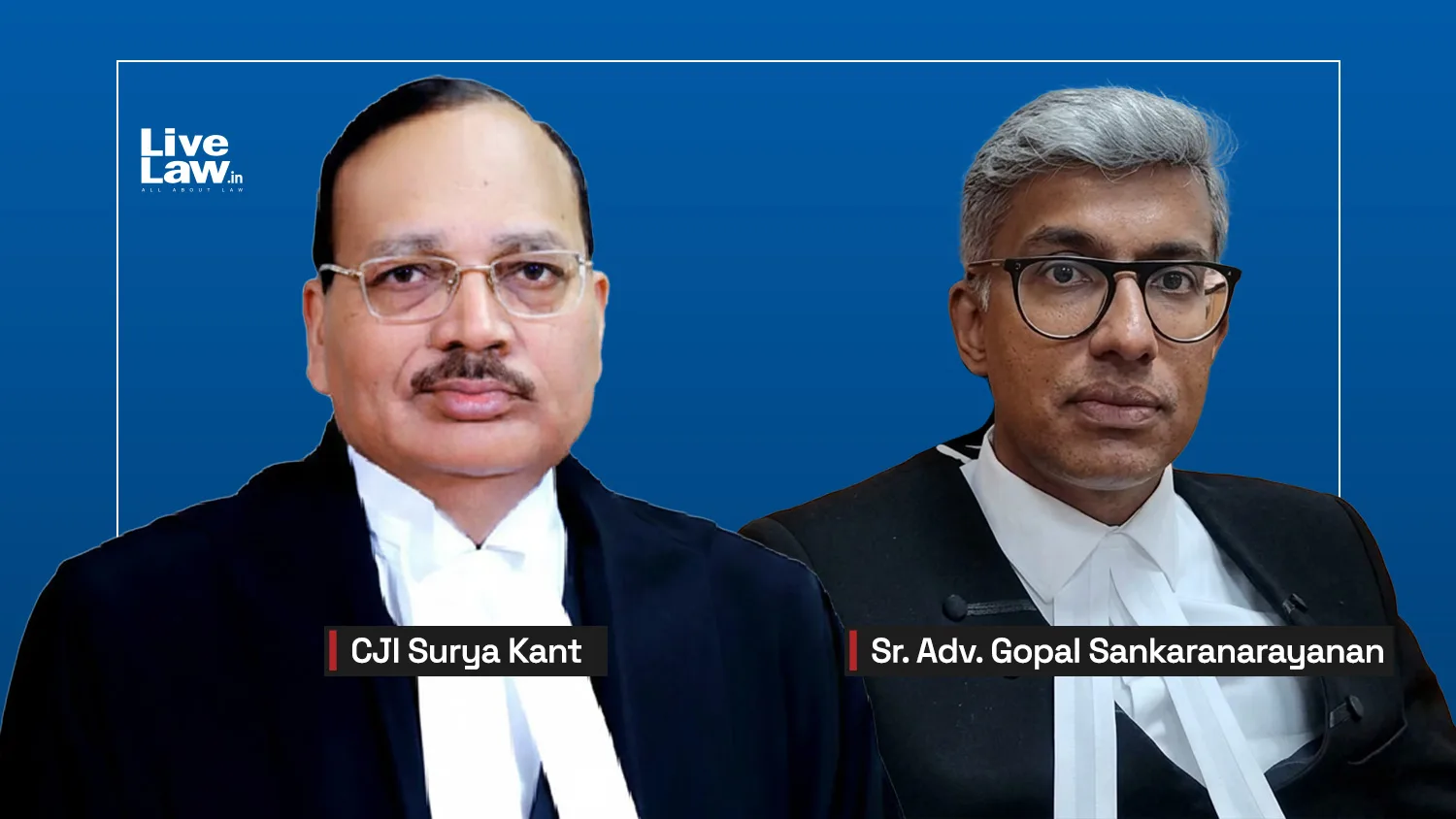
Chief Justice Surya Kant declined a meeting request from Rahul Gandhi, citing ongoing legal matters.
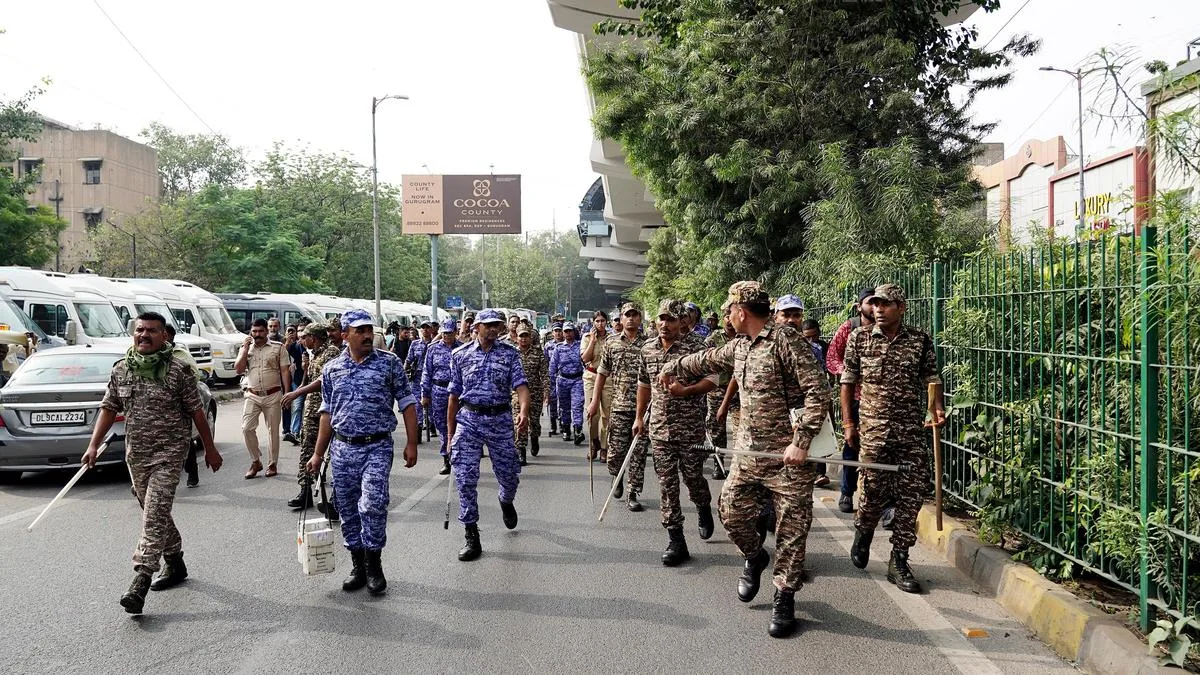
Protests demanding the resignation of CEC Gyanesh Kumar have intensified, with significant police presence in Delhi.
The Delhi High Court will hear a plea regarding the closure of Jantar Mantar for protests tomorrow.
On October 12, 2026, opposition leaders are gearing up for a significant march to the Supreme Court as part of ongoing protests against Chief Election Commissioner Gyanesh Kumar. This escalation follows a series of demonstrations demanding Kumar's resignation, which have drawn widespread public attention and criticism. In response, security has been significantly increased around key locations in New Delhi, including the Parliament Street police station and the R.K. Ashram Marg metro station.
The context of these protests stems from allegations of electoral irregularities and the perceived mishandling of the electoral process by the Election Commission of India. The situation has been further complicated by the Chief Justice of India, Surya Kant, who recently declined a request from Rahul Gandhi for a meeting, stating that the issues at hand are already sub judice. This refusal highlights the judiciary's reluctance to interfere in administrative matters that are currently under legal scrutiny.
In a related development, the Delhi High Court has agreed to hear a plea challenging the closure of Jantar Mantar, a traditional site for protests, which has been restricted for public gatherings. The court's decision to schedule a hearing for tomorrow indicates the ongoing legal battles surrounding the right to protest and the government's response to dissent.
The implications of these protests extend beyond Delhi, as they reflect growing discontent among citizens regarding electoral integrity and governance. The Cockroach Janta Party (CJP) and other opposition groups have accused the Modi government of suppressing democratic rights, claiming that police actions have hindered peaceful assembly. This unrest is indicative of a larger national conversation about the state of democracy in India and the role of the Election Commission.
Looking ahead, the opposition's planned march to the Supreme Court is set to take place amidst a backdrop of heightened security and public scrutiny. As the situation develops, further legal challenges and protests are anticipated, particularly with the Delhi High Court's upcoming hearings. The outcome of these events may significantly influence public sentiment and the political landscape in the lead-up to future elections.