Three Indian Sites Added to UNESCO Tentative Heritage List
India's cultural and natural heritage expands with three new sites proposed for UNESCO recognition.
Three sites in India have been included in UNESCO's Tentative List.
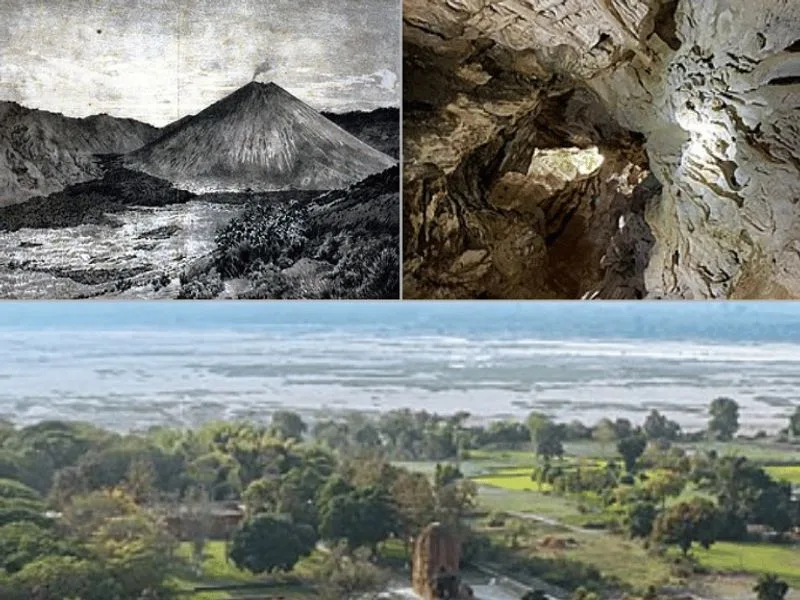
The sites include Baratang's mud volcanoes, Andaman volcanoes, and Sirpur's archaeological landscape.
This addition is a crucial step towards potential UNESCO World Heritage status.
In a significant development for India's heritage, three sites have been officially added to UNESCO's Tentative List, as announced by the Permanent Delegation of India to UNESCO in Paris on October 20. The sites include the Karst-mud-volcano Complex of Baratang and the Andaman Subduction Volcanoes, both located in the Andaman and Nicobar Islands, along with the Sirpur Cultural and Archaeological Landscape in Chhattisgarh.
The inclusion of these sites marks a preliminary step towards their potential nomination for the UNESCO World Heritage List. Currently, India boasts 45 recognized UNESCO World Heritage Sites, comprising 37 cultural, 7 natural, and 1 mixed site. The Baratang Limestone Caves, which span an area of 299.57 square kilometers, are noted for their geological significance and biodiversity, featuring active mud volcanoes and limestone caves that are vital to the region's ecosystem.
The Andaman Subduction Volcanoes, located on Barren Island and Narcondam Island, are also proposed for inclusion. These islands, which were uninhabited until the establishment of a police check post in 1968, are characterized by their steep volcanic formations and rich biodiversity. UNESCO highlights the ecological importance of these sites, emphasizing their potential for eco-tourism and environmental conservation.
Sirpur Village, situated along the Mahanadi River in Chhattisgarh, is recognized for its archaeological and architectural significance. The site reflects a blend of multi-religious influences and economic activities, showcasing structures dating from the 5th to the 12th century CE. Key features include a Vishnu temple complex, a Shiva temple, and the Rajmahal Complex, all of which contribute to the site's historical and cultural richness.
As these sites move towards potential UNESCO World Heritage status, they not only represent India's diverse heritage but also hold promise for promoting tourism and conservation efforts. The next steps will involve further assessments and potential nominations to secure their place on the prestigious World Heritage List.