Supreme Court Rules on Reservation Rights for Converted Hindus
On October 15, 2026, the Supreme Court clarified that converting to Islam does not entitle Hindus from backward communities to reservation benefits.
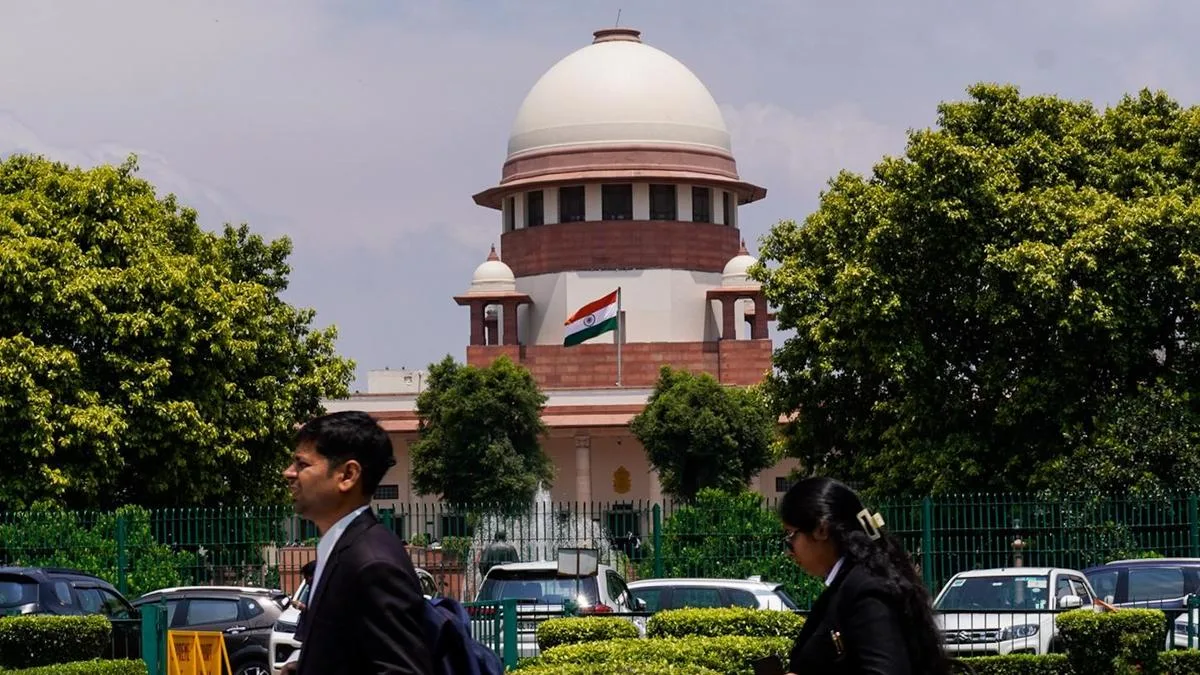
The Supreme Court dismissed Tamil Nadu's appeal for reservation benefits for converted Muslims.
The ruling emphasizes that conversion does not transfer backward class status.
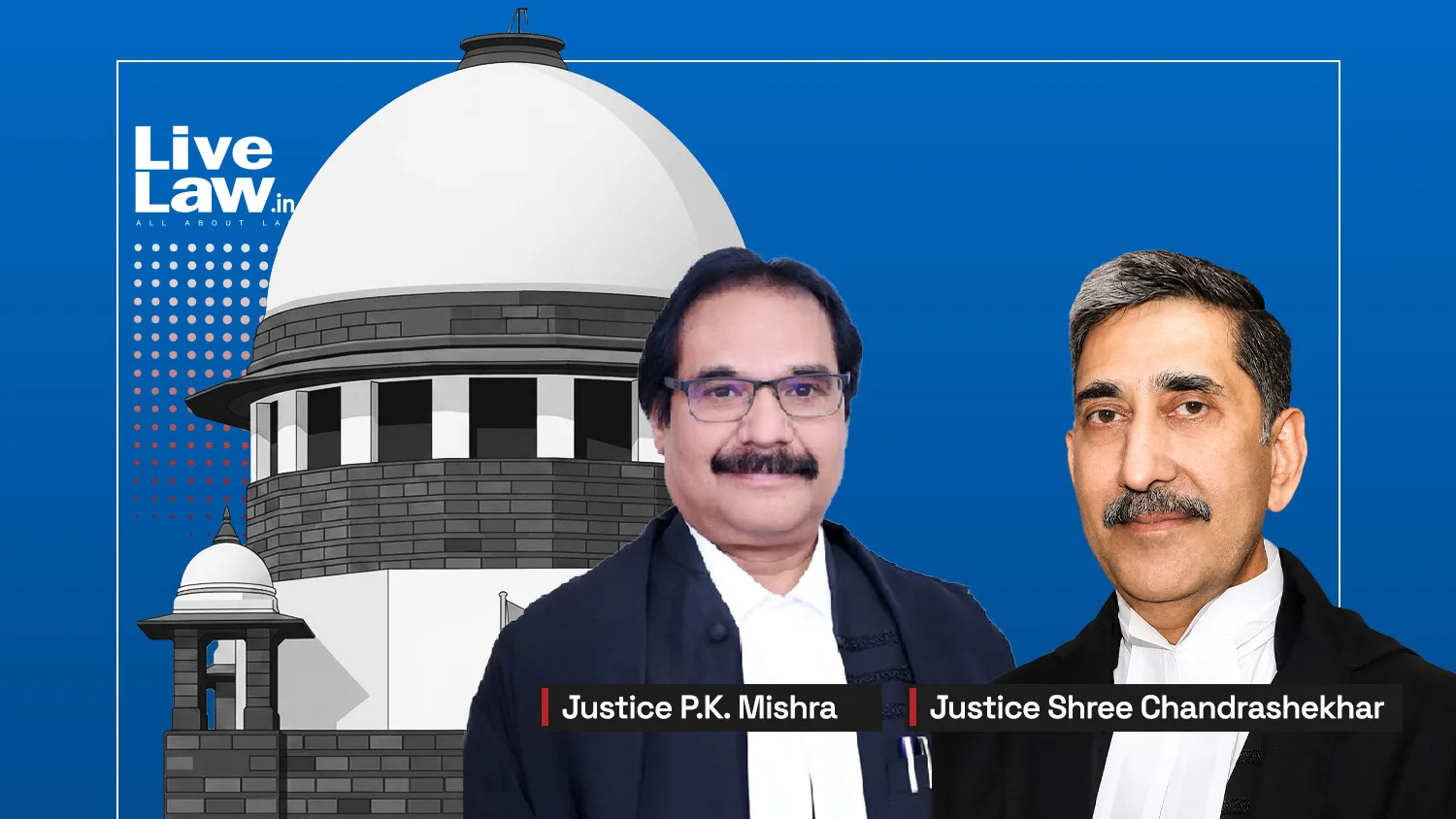
Justice Mishra highlighted the need for social checks before classifying communities for reservation.
On October 15, 2026, the Supreme Court of India ruled that a Hindu from a backward community cannot automatically claim reservation benefits simply by converting to Islam. This decision came as the court dismissed an appeal from the Tamil Nadu government, which sought to uphold its policy of granting reservation benefits to individuals from backward classes who embraced Islam.
The court's ruling clarified that the Tamil Nadu government's order created an 'artificial group' that would improperly access reservation benefits meant for established backward communities. Justice Mishra, who delivered the judgment, stated that any government notification designating a community as backward must be supported by comprehensive social assessments and data collection.
The Tamil Nadu government had previously appealed a High Court decision that rejected a request from Sameer Ahamed, who converted to Islam in 2015. The High Court had annulled a government order from March 2024 aimed at ensuring that individuals from socially and educationally backward communities retain reservation benefits post-conversion. It ruled that a person converting to Islam does not carry forward the backward class status from their previous Hindu caste.
The High Court's judgment emphasized that Islam promotes social equality, contrasting it with the caste hierarchy in Hinduism. It argued that labeling certain sects as backward contradicts the egalitarian principles of Islam, which asserts that all individuals are equal before God. During the Supreme Court proceedings, the Tamil Nadu government contended that it had the authority to issue backward class certificates to eligible converts, citing constitutional provisions.
Justice Mishra referenced a 1951 Madras High Court ruling that established that individuals who convert from Hinduism to other religions, including Christianity, are ineligible for Scheduled Caste benefits. This precedent reinforces the notion that conversion does not confer backward status. Mr. Ahamed, who was born to Hindu parents and converted to Islam, faced challenges in obtaining a community certificate, which led him to seek legal recourse. The Supreme Court's ruling marks a significant clarification on the intersection of religion and reservation policies in India.