Supreme Court Halts Madras HC's Move to Restructure Chidambaram Temple Management
The Supreme Court intervenes to suspend the Madras High Court's directive to form a management board for the Chidambaram Nataraja Temple.
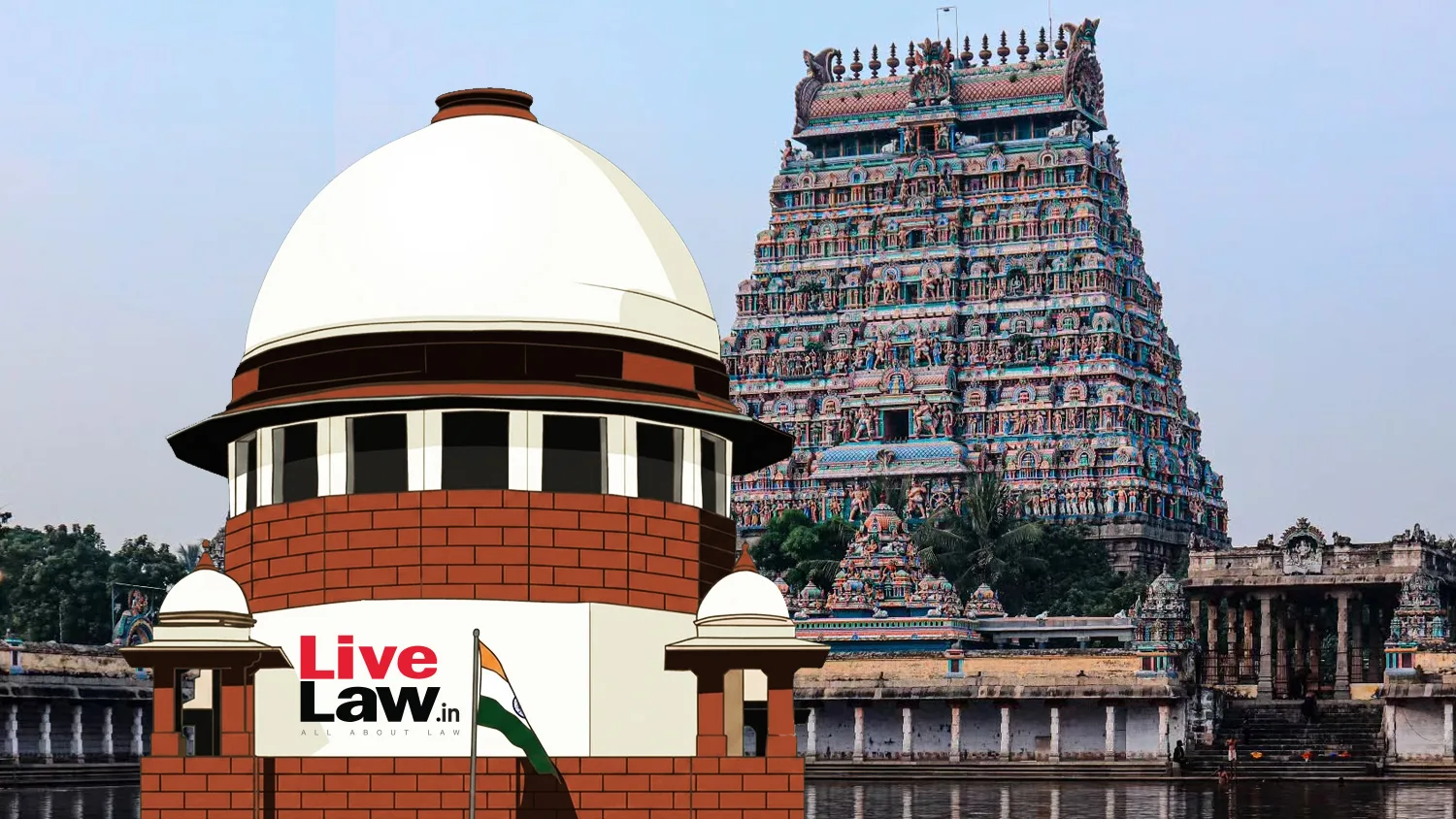
The Supreme Court stayed the Madras HC's order on November 4, 2026.
A five-member board was proposed to manage the temple's administration amid allegations of maladministration.
Podhu Dikshitars argue the order infringes on their constitutional rights to manage the temple.
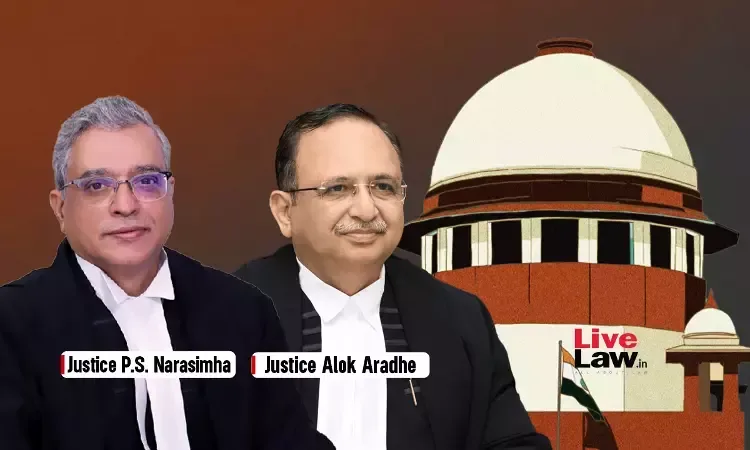
On November 4, 2026, the Supreme Court issued a stay on the Madras High Court's recent ruling that mandated the formation of a five-member Board of Management to oversee the administration of the Chidambaram Nataraja Temple. This decision came in response to a challenge from the temple's Podhu Dikshitars, who argued that the High Court's directive infringed upon their rights to manage the temple's affairs.
The Madras High Court had initially issued its order on October 30, 2026, while addressing a series of writ petitions related to the temple's administration. The court's Division Bench, led by Justices G Jayachandran and E Manoharan, determined that judicial intervention was necessary due to allegations of maladministration concerning the temple's operations.
The proposed Board of Management was set to include retired Madras High Court judge Justice V Bharathidasan as Chairman, alongside retired judge Justice R Suresh Kumar as Co-Chairman and retired IAS officer C Rajendran as a member. The board was tasked with managing the temple's properties, financial records, and ensuring the conservation of its heritage. Additionally, it was directed to address issues such as encroachments on temple properties and to recover outstanding rental payments.
Despite the High Court's intervention, it was noted that the daily rituals and periodic festivals would remain under the exclusive control of the Podhu Dikshitars, adhering to established customs and practices. This aspect was crucial in the Podhu Dikshitars' argument against the High Court's order, as they claimed it violated their constitutional rights under Article 26, which guarantees the freedom to manage religious affairs.
Looking ahead, the Supreme Court's stay raises questions about the future of the temple's administration and the ongoing legal battle between the Podhu Dikshitars and the state. The next steps will likely involve further hearings to assess the implications of the High Court's original ruling and the Podhu Dikshitars' claims regarding their rights to manage the temple.