Supreme Court Declares Internet Access a Fundamental Right for Children
The Supreme Court has ruled that children have the fundamental right to access the internet, rejecting age-related restrictions.
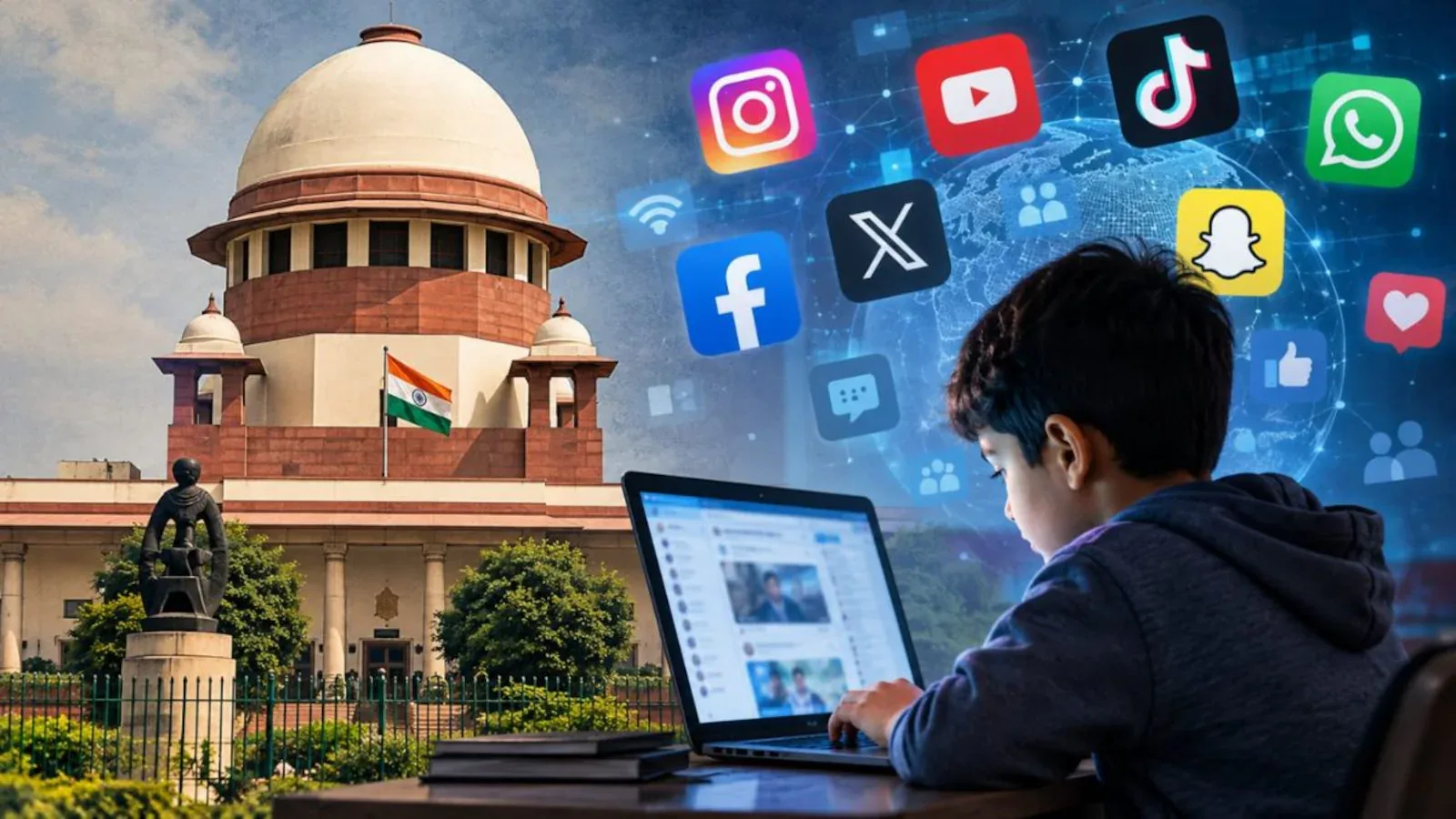
The Supreme Court affirmed internet access as a fundamental right under Article 21 and Article 19(1)(a).
The court emphasized the need for stricter parental controls and measures against online child abuse material.
A national database for detecting and removing abusive content was ordered to be established by the Centre.
In a landmark decision, the Supreme Court of India has recognized internet access as a fundamental right for children, dismissing any age-related restrictions on its use. This ruling was delivered on October 15 during a hearing involving the child rights NGO 'Just Rights for Children Alliance', which raised concerns about social media platforms failing to report child sexual exploitation and abuse material (CSEAM) to authorities. The court stated, "The right to access and use the internet is a fundamental right of every individual," highlighting that children, regardless of age, deserve the same rights as adults.
The bench, comprising Justices J B Pardiwala and K V Chandran, expressed that denying children access to the internet would be as unreasonable as suggesting they lack the capacity for conscience or freedom of speech. The court underscored that the safety and freedom of children are not mutually exclusive, asserting that both must be upheld. Instead of imposing a blanket ban based on age, the court called for enhanced parental controls and the removal of harmful content from social media platforms.
The court's ruling comes in response to alarming reports of child abuse material circulating online, despite existing guidelines. It criticized authorities and social media intermediaries for their inadequate efforts to protect vulnerable users. The justices noted that the persistence of such harmful content raises serious ethical questions about societal responsibility and the need for proactive measures to safeguard children.
To address these issues, the Supreme Court directed the Centre to establish a national database that would catalog digital identifiers and URLs associated with confirmed abusive material. This initiative aims to streamline the detection and removal of such content. The court also mandated the creation of guidelines for technological measures, including perceptual hash-matching and URL listing, to enhance the efficiency of combating online child exploitation.
Looking ahead, the court's decision sets a precedent for future legal frameworks concerning children's rights in the digital age. The emphasis on creating a safer online environment for children reflects a growing recognition of the need for comprehensive strategies to tackle online abuse. The Centre is expected to take swift action in implementing the court's directives, ensuring that the internet remains a safe space for all users, particularly the most vulnerable.