CJP Leaders' Bail Hearing Delayed Amid Protests in Delhi
The bail hearing for Cockroach Janta Party leaders Saurav Das and Ashutosh Ranka faced significant delays, prompting protests and legal action.
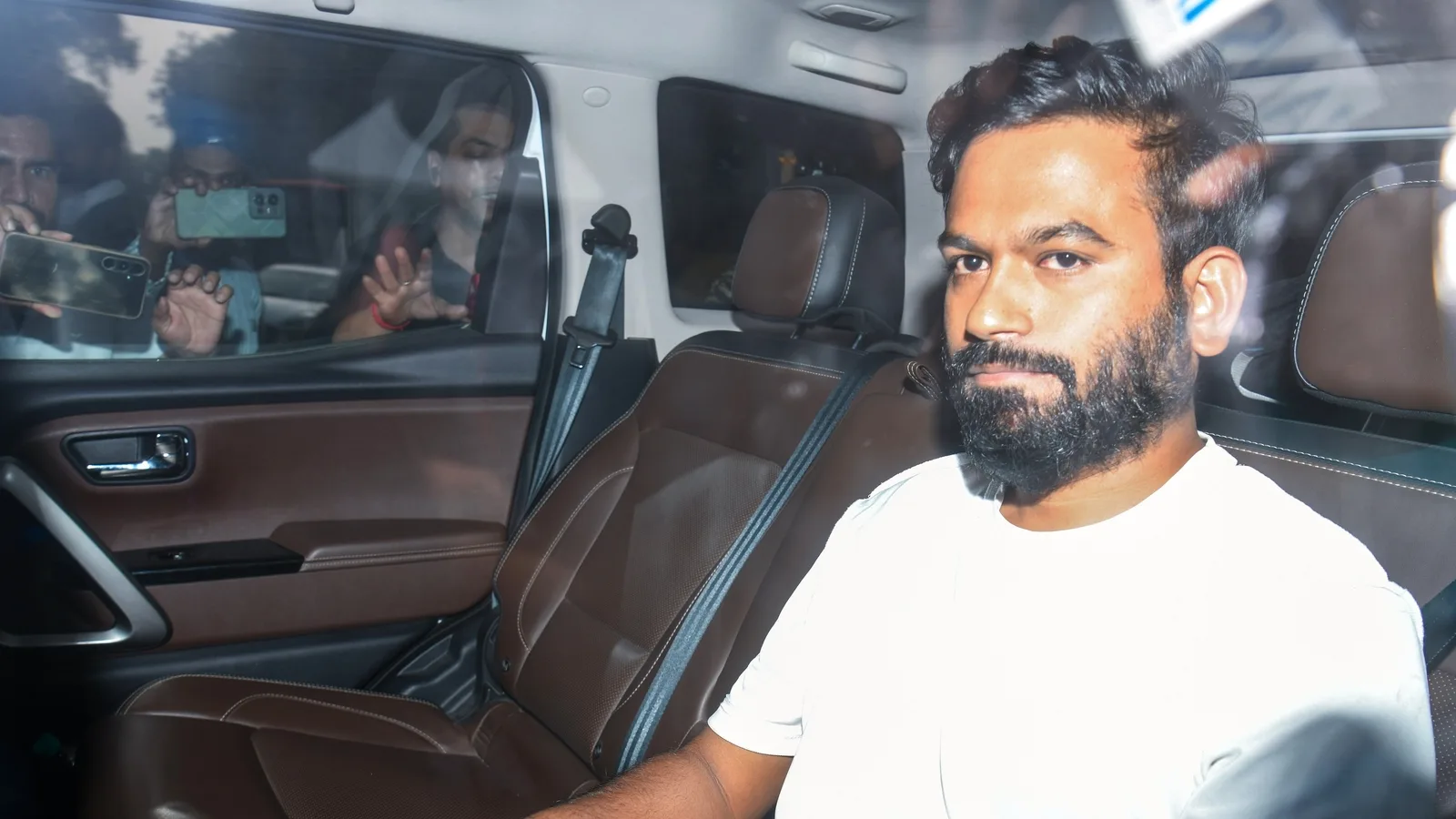
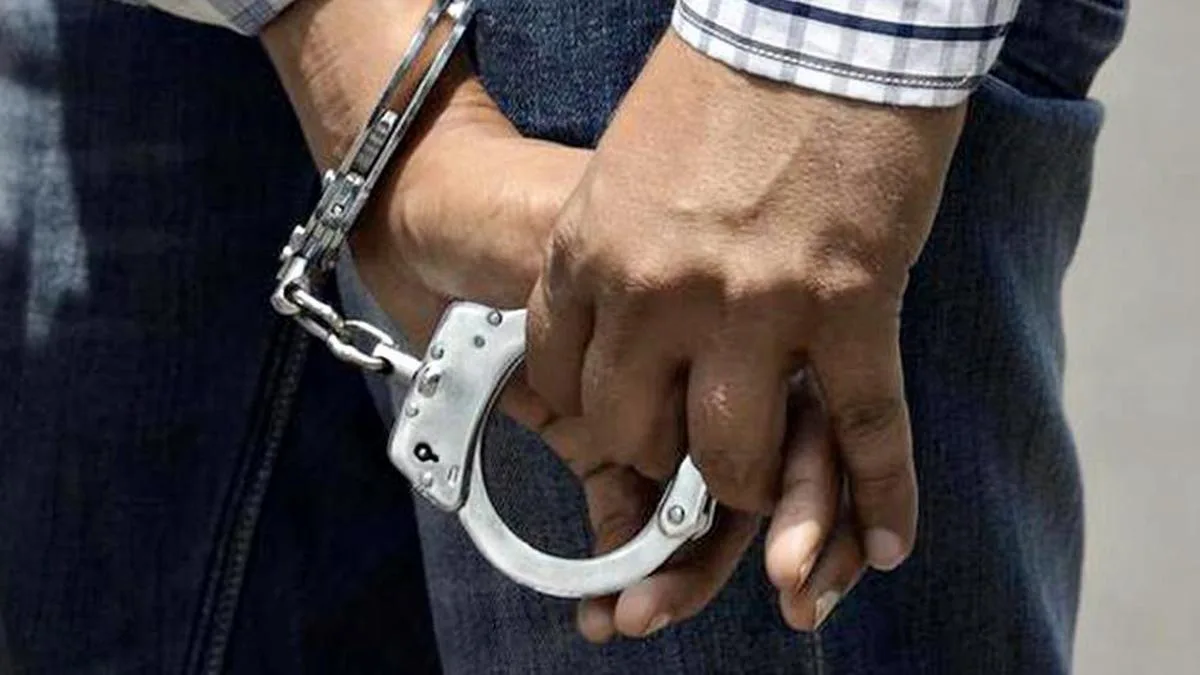
CJP leaders Saurav Das and Ashutosh Ranka remain in judicial custody as their bail hearing is delayed.
CJP's legal head alleges procedural delays and rejection of sureties without clear reasoning.
Protests continue against the Chief Election Commissioner amid rising tensions over electoral processes.
The bail hearing for Cockroach Janta Party (CJP) leaders Saurav Das and Ashutosh Ranka has been significantly delayed, raising concerns among supporters and legal representatives. The hearing, which was scheduled for noon on October 18, did not commence as the Special Executive Magistrate (SEM) failed to arrive on time, leading to accusations of deliberate obstruction from CJP's legal affairs head, Ratna Singh. She stated that they had been waiting since 11 AM, and the magistrate only arrived hours later, causing frustration among those present.
This delay follows the leaders' detention earlier in the week after they attempted to enter Jantar Mantar, a site that had been de-notified for protests. Their actions, which included unfurling the national flag, resulted in a five-day judicial custody sentence. The CJP has been vocal about what they describe as a misuse of legal procedures to suppress dissent, claiming that the police have rejected four sureties for their bail on vague grounds, further complicating their release.
In a related development, CJP founder Abhijeet Dipke was granted conditional bail on October 17 after being detained during a protest march. His release came with stipulations aimed at maintaining public order. Dipke expressed solidarity with his detained colleagues, stating he was “waiting for his brothers to be free.” The CJP and various student organizations have been actively protesting against the Chief Election Commissioner, alleging that the electoral body is undermining democratic processes.
The implications of these events extend beyond the immediate legal troubles of the CJP leaders. The protests reflect growing discontent with governmental actions perceived as infringing on citizens' rights to assemble and express dissent. The situation has drawn attention to broader issues surrounding electoral integrity and the role of the Election Commission, which has faced criticism for its handling of recent electoral revisions.
Looking ahead, the CJP has indicated that if Das and Ranka are not released promptly, they will pursue further legal action. The political landscape in Delhi remains tense, with ongoing protests expected as various groups rally against perceived injustices. The next steps in this unfolding situation will be closely monitored by both supporters and critics of the CJP, as the outcome could influence future protests and legal strategies in the capital.